
Ethical Lines in Animal Tracking
Animal tracking technology has transformed wildlife management, yet it raises profound ethical questions that demand careful consideration before implementation in strategic

Animal tracking technology has transformed wildlife management, yet it raises profound ethical questions that demand careful consideration before implementation in strategic
Communities worldwide are reimagining infrastructure to protect wildlife while keeping residents safe. The integration of animal-safe pathways represents a crucial step
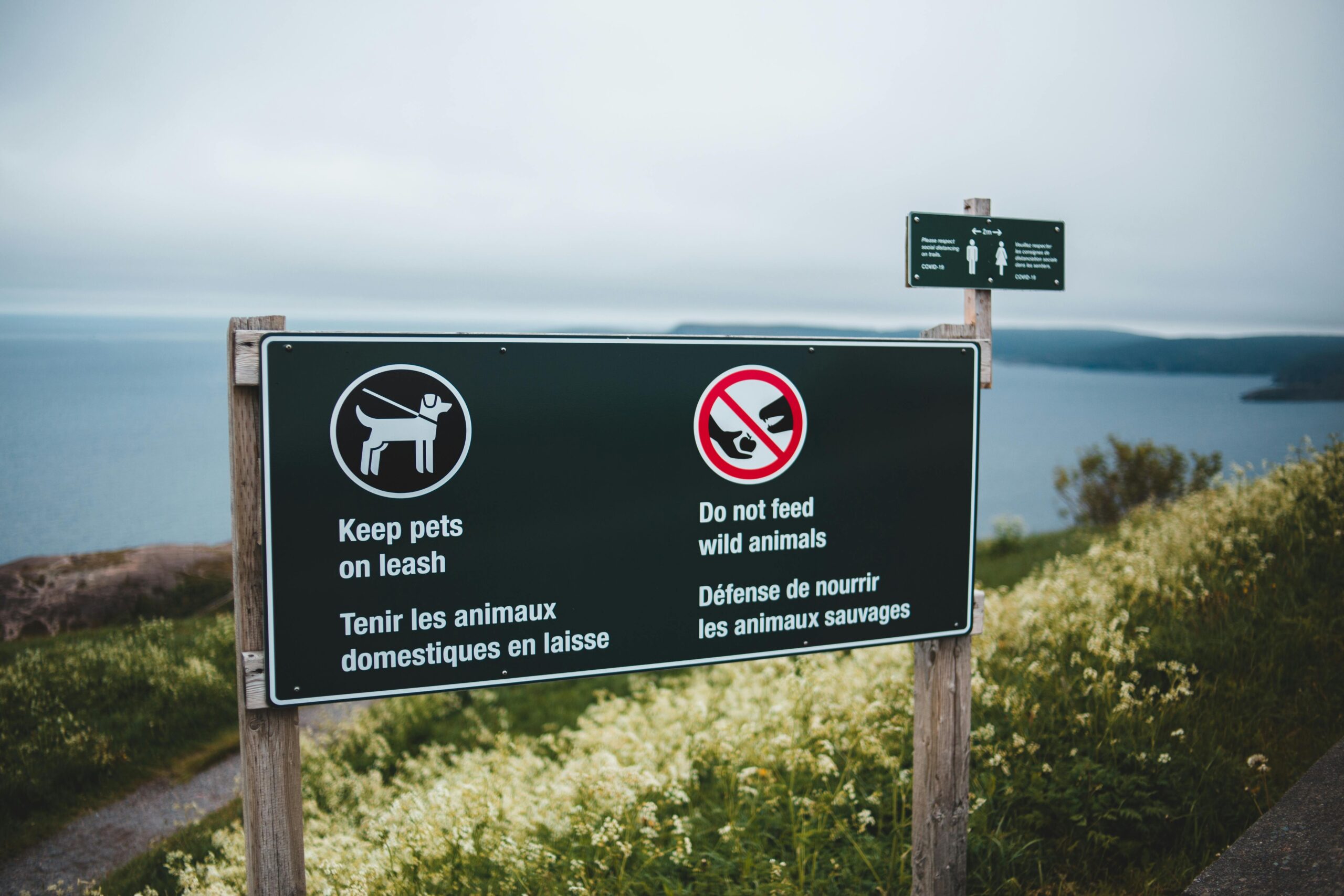
Protecting vulnerable wildlife while maintaining human mobility is one of conservation’s greatest challenges. Risk scoring systems offer innovative solutions to balance

Visual safe-path maps are revolutionizing how rangers manage wilderness areas and visitors explore natural landscapes, combining real-time data with intuitive design

Path planning isn’t just about moving from point A to point B—it’s about creating spaces where humans, technology, and nature can

Exploring protected areas demands more than adventure—it requires strategic route planning that balances environmental preservation with unforgettable experiences and safety considerations.

Movement patterns differ dramatically between animals that roam by moonlight and those thriving under the sun, each requiring specialized navigation strategies.

Modern urban planning faces mounting pressure to balance development with quality of life, as noise and light pollution increasingly affect communities

In an age of digital navigation, habitat maps have emerged as powerful tools that transform how we explore, travel, and interact

Designing safe wildlife corridors requires understanding seasonal animal behavior, migration patterns, and environmental changes to protect both wildlife and human travelers