Drones have revolutionized wildlife observation, aerial photography, and environmental monitoring, but their presence can disturb ecosystems and communities if not operated responsibly and thoughtfully.

🚁 Understanding the Impact of Drone Operations
Before launching your drone for observation purposes, it’s essential to recognize that even the most advanced quadcopters create noise, visual disturbance, and electromagnetic interference. Wildlife, domestic animals, and even humans can react negatively to these intrusions. Studies have shown that birds may abandon nests, marine mammals can alter diving patterns, and ground-dwelling animals may flee from their natural habitats when drones approach too closely.
The sound signature of drone propellers typically ranges between 60-80 decibels at close range, comparable to normal conversation or light traffic. However, the unfamiliar mechanical buzzing pattern can trigger stress responses in animals unaccustomed to such sounds. Understanding these impacts allows operators to make informed decisions about flight altitude, duration, and approach angles.
Pre-Flight Planning: The Foundation of Responsible Observation
Effective drone observation begins long before you power up your aircraft. Comprehensive pre-flight planning reduces the likelihood of causing unnecessary disturbance while maximizing the quality of your observational data or footage.
Research Your Target Environment Thoroughly
Invest time understanding the ecosystem you plan to observe. Identify sensitive areas, breeding seasons, migration patterns, and critical habitat zones. Local wildlife authorities, conservation organizations, and scientific literature provide invaluable insights about species behavior and vulnerability periods. For instance, nesting birds are particularly sensitive during incubation periods, while marine mammals may be more tolerant during non-breeding seasons.
Consult airspace regulations and local ordinances before every flight. Many jurisdictions have implemented specific rules regarding drone operations near wildlife reserves, residential areas, and protected zones. Familiarize yourself with these restrictions to ensure legal compliance and ethical operations.
Choose the Right Equipment for Minimal Impact
Not all drones are created equal when it comes to minimizing disturbance. Smaller, quieter models with advanced stabilization systems can often achieve observation goals with significantly less impact than larger, louder alternatives. Consider these equipment factors:
- Propeller design and noise reduction features
- Camera zoom capabilities that allow greater standoff distances
- Flight time capacity to reduce the number of launches and landings
- Advanced GPS and obstacle avoidance for precise, confident operation
- Color schemes that blend with sky conditions rather than high-contrast patterns
Altitude and Distance: Finding the Sweet Spot 📏
One of the most critical factors in minimizing disturbance is maintaining appropriate altitude and horizontal distance from your subjects. This balance varies depending on what you’re observing, environmental conditions, and your equipment capabilities.
Research indicates that most wildlife species show increased tolerance to drones at higher altitudes. For bird observation, maintaining a minimum altitude of 50-100 meters typically reduces stress responses significantly. Marine mammals often tolerate drones at 30-50 meters, while terrestrial mammals vary widely based on species and habituation levels.
Implementing the Gradual Approach Method
Rather than flying directly toward your subject, adopt a gradual approach strategy. Begin at maximum altitude and distance, then slowly decrease either variable while carefully monitoring for behavioral changes. Signs of disturbance include alert postures, interrupted feeding or resting, group cohesion changes, or outright flight responses.
If you notice any stress indicators, immediately increase distance or altitude. This reactive approach demonstrates respect for your subjects and often results in more natural, valuable observations once animals acclimate to the drone’s presence at a tolerable distance.
Timing Your Flights for Maximum Cooperation 🕐
When you fly matters just as much as how you fly. Strategic timing can dramatically reduce disturbance potential while improving observation quality.
Avoid Critical Life History Periods
Breeding seasons, nesting periods, birthing times, and juvenile rearing stages represent windows when animals are most vulnerable to disturbance. Stress during these periods can lead to nest abandonment, reduced offspring survival, and long-term population impacts. Consult with local wildlife experts to identify these sensitive windows for your target species.
Similarly, migration corridors during peak movement times, hibernation preparation periods, and post-hibernation recovery phases all represent times when additional stress can have outsized negative consequences.
Consider Daily Activity Patterns
Most species follow predictable daily routines influenced by temperature, light levels, and predator activity. Scheduling drone observations during naturally active periods typically results in less disturbance than interrupting rest or digestion times. Dawn and dusk often represent peak activity for many species, though these low-light conditions may challenge camera performance.
Flight Behavior: Smooth and Predictable Wins the Day
How your drone moves through the air significantly influences how subjects perceive and respond to it. Erratic, sudden movements trigger stronger alarm responses than smooth, predictable flight patterns.
Master Gentle Control Inputs
Practice flying with subtle, gradual control inputs rather than aggressive stick movements. Smooth acceleration, gentle turns, and controlled altitude changes make your drone appear less predatory or threatening. Many species habituate more quickly to consistent, predictable movements than to unpredictable darting or hovering patterns.
Avoid rapid descents or approaches from directly above, as these mimic raptor attack patterns for many prey species. Instead, approach from an angle with steady forward motion at consistent altitude.
Minimize Hovering When Possible
While hovering is necessary for detailed observation or photography, prolonged stationary flight can increase anxiety in some species. When hovering is required, maintain maximum practical distance and limit duration. Alternatively, consider slow orbital movements that maintain consistent distance while providing varied perspectives.
Sound Management Strategies 🔇
Since propeller noise represents one of the primary disturbance factors, managing acoustic impact should be a priority for ethical drone operators.
Upgrade to Quieter Propellers
Aftermarket propellers designed for reduced noise can decrease sound output by 3-5 decibels, which represents a noticeable reduction in perceived volume. These often feature optimized blade geometry, specialized materials, or increased blade count that distributes acoustic energy differently.
Use Environmental Sound Masking
When possible, conduct observations during periods when ambient noise naturally masks drone sounds. Wind through vegetation, flowing water, or surf can help camouflage mechanical drone noise, reducing its impact on wildlife. However, be cautious about flying in strong winds that may compromise control or safety.
Species-Specific Considerations and Adaptations 🦅
Different taxa respond differently to drone presence, requiring tailored approaches for ethical observation.
Birds: Altitude is Key
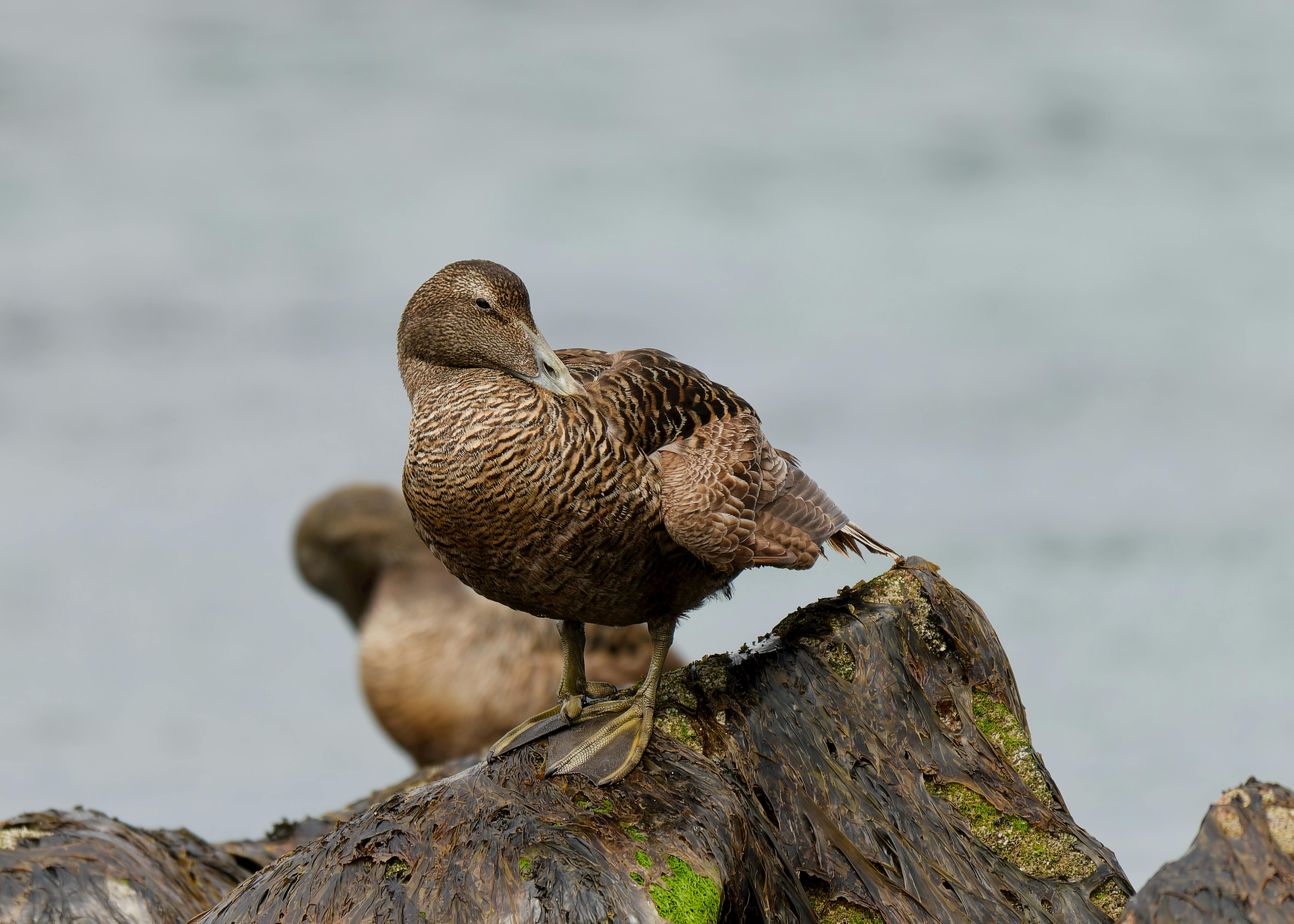
Avian species generally show the strongest responses to drones, likely due to their reliance on aerial space and sensitivity to potential aerial predators. Colonial nesting birds are particularly vulnerable to disturbance cascades where one alarmed individual can trigger mass flushing events. For bird observation, prioritize altitude over proximity, use maximum zoom capabilities, and strictly avoid nesting colonies during breeding seasons.
Marine Mammals: Respect the Surface Interface
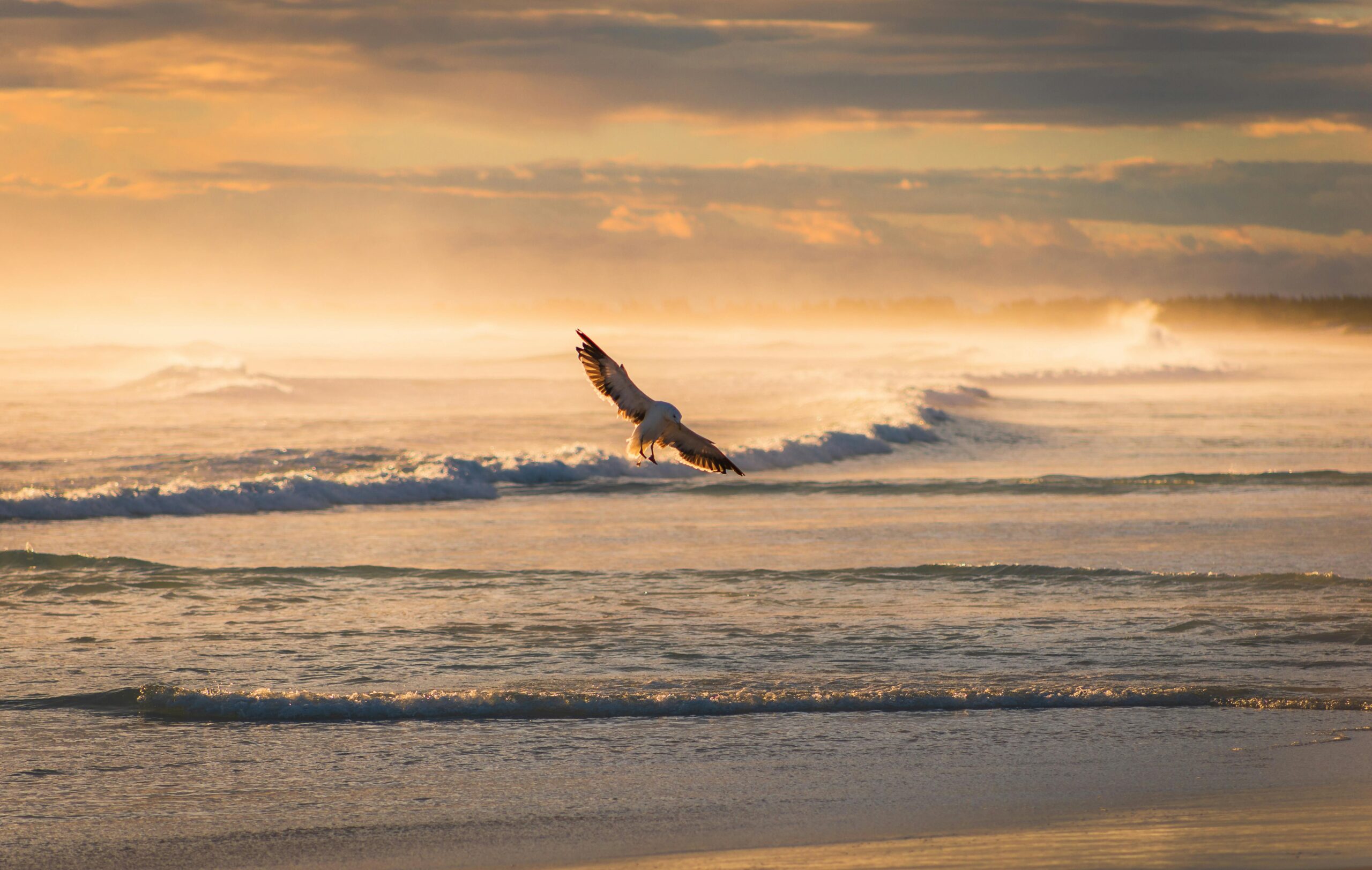
Whales, dolphins, seals, and sea lions typically tolerate drones better than anticipated, but critical considerations apply. Never position your drone between animals and open water escape routes. Avoid flights during nursing, resting, or feeding behaviors. Maintain altitude above 25-30 meters and watch for signs of dive pattern changes or group cohesion alterations.
Terrestrial Mammals: Distance and Concealment
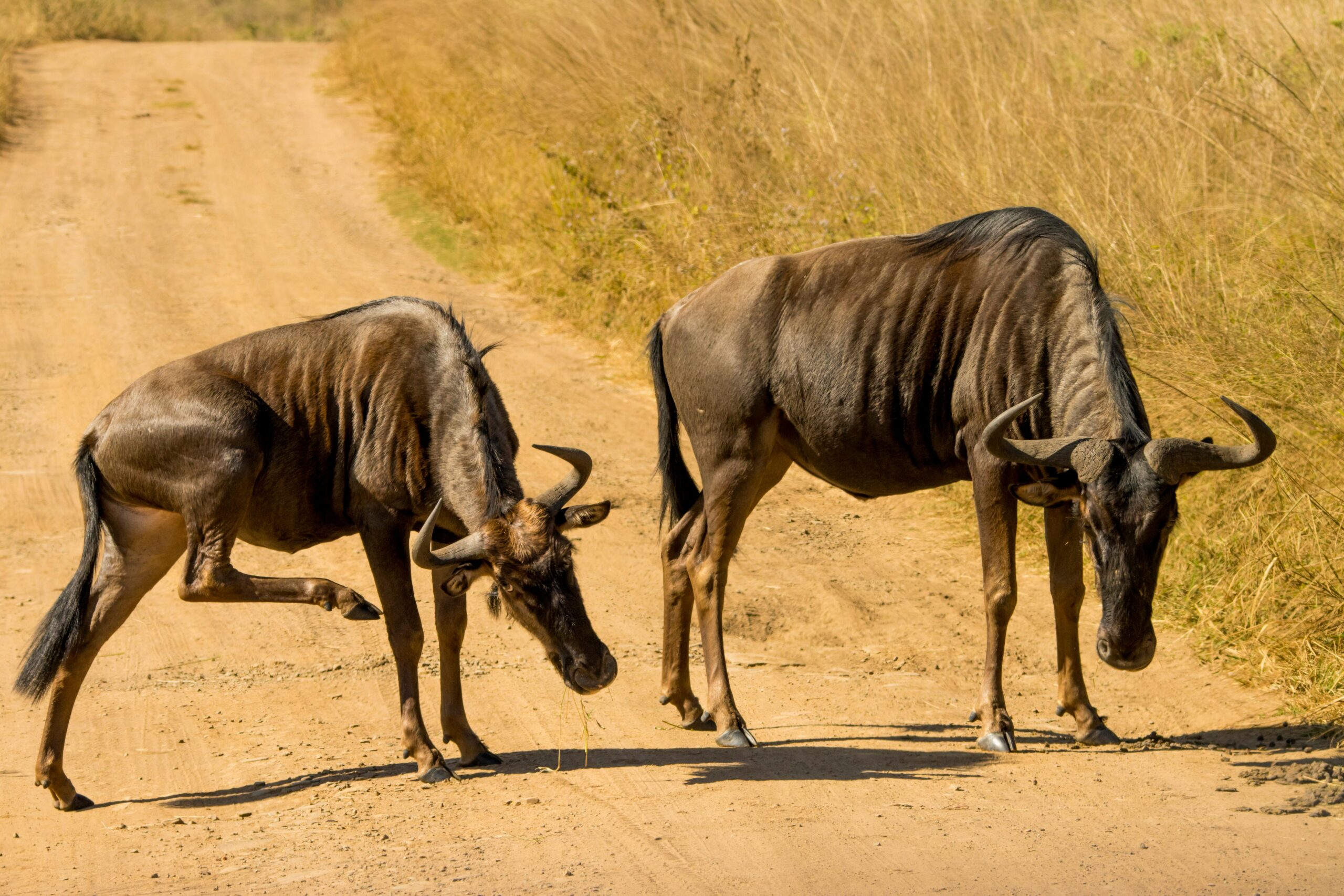
Ground-dwelling mammals often respond to drones similarly to aerial predators. Larger ungulates may tolerate closer approaches than smaller prey species. When observing terrestrial mammals, use terrain features to maintain visual separation between the drone and subjects, approach during active periods, and watch for ear position, body orientation, and movement pattern changes as disturbance indicators.
Post-Flight Responsibility and Data Ethics 📊
Minimizing disturbance extends beyond the flight itself to how you handle, share, and apply the data collected.
Document Observation Conditions
Maintain detailed flight logs including altitude, distance, duration, weather conditions, and any behavioral responses observed. This documentation helps you refine future operations and contributes to the growing body of knowledge about drone-wildlife interactions. Consider sharing anonymized data with research institutions studying best practices for drone observation.
Responsible Imagery Sharing
When publishing or sharing drone imagery, avoid disclosing specific location information for sensitive species or populations. Poaching, disturbance by others, and habitat degradation from increased visitation all represent potential consequences of oversharing location data. Balance the educational and conservation value of imagery against these risks.
Building Habituation Without Habituation Problems
In some contexts, regular low-impact drone presence can lead to habituation where subjects no longer respond to properly operated aircraft. However, this carries risks if animals generalize tolerance to all drones, including those operated less responsibly.
If you conduct repeated observations in the same location, maintain consistent flight parameters. Animals can learn that drones following specific patterns pose no threat, but varied or novel approaches may still trigger responses. This consistency benefits your observations while potentially reducing cumulative stress on resident populations.
Weather Considerations for Disturbance Reduction ☁️
Environmental conditions influence both drone performance and animal sensitivity to disturbance. Wind conditions affect acoustic propagation, with downwind approaches typically resulting in earlier detection than upwind flights. Bright, clear conditions may increase visual detection distance, while overcast skies can help drones blend with neutral backgrounds.
Temperature extremes require special consideration. During heat stress periods, additional disturbance that triggers flight or movement responses can have serious consequences for thermoregulation. Similarly, during severe cold, unnecessary energy expenditure from disturbance-induced activity can threaten survival.
Technology-Assisted Disturbance Monitoring
Emerging technologies help operators objectively assess disturbance in real-time. Some advanced drone systems now incorporate behavioral monitoring algorithms that alert operators to potential stress indicators. Heart rate monitoring through thermal imaging, movement pattern analysis, and group cohesion tracking all represent developing capabilities that may soon help operators make evidence-based decisions during flights.
Flight planning applications increasingly incorporate wildlife sensitivity data, seasonal restrictions, and best practices guidance. These tools help operators identify potential conflicts before launch and suggest optimal parameters for specific observation goals.
Community Relations and the Human Element 🤝
Minimizing disturbance includes considering human communities near your observation areas. Residential drone operations can create noise complaints, privacy concerns, and negative perceptions that threaten access for all operators.
Communicate with local communities about your observation objectives. Explaining the scientific, conservation, or educational value of your work often transforms skeptics into supporters. Respect posted hours, maintain appropriate distances from occupied structures, and respond professionally to concerns or questions from residents.
Continuous Learning and Adaptation
The science of minimizing drone disturbance continues evolving rapidly. New research regularly reveals species-specific responses, optimal approaches, and unexpected impacts. Ethical operators commit to ongoing education, staying current with scientific literature, regulatory changes, and technological advances.
Join professional organizations, participate in online communities focused on ethical drone observation, and consider contributing to citizen science initiatives that gather data on drone-wildlife interactions. Your experiences and observations add valuable knowledge to collective understanding.
Making Every Flight Count With Purpose and Care 🎯
The privilege of observing wildlife and environments through drone technology carries inherent responsibilities. By implementing these disturbance minimization strategies, you ensure that your observations contribute positively to understanding and conservation rather than adding to the stresses facing wildlife populations.
Successful minimal-disturbance drone observation requires knowledge, skill, appropriate equipment, careful planning, and genuine respect for your subjects. The most valuable observations often come from operators who prioritize subject welfare above perfect footage or convenient timing. As drone technology becomes increasingly accessible, the collective choices of operators will determine whether these tools become powerful conservation assets or additional stressors on already challenged ecosystems.
Embrace the challenge of achieving your observation goals while leaving the smallest possible footprint. The patience and discipline required to operate with minimal impact ultimately produces more natural behaviors, better data, and observations that genuinely advance understanding rather than simply documenting the disturbance your presence created.