Modern agriculture is experiencing a technological revolution, and drone imagery stands at the forefront of this transformation, offering farmers unprecedented insights into crop health and field management.

🚁 The Agricultural Revolution from Above
The integration of unmanned aerial vehicles (UAVs) into farming practices represents one of the most significant advances in precision agriculture. Drone technology has evolved from military applications to become an indispensable tool for farmers seeking to maximize yields while minimizing resource waste. These flying cameras equipped with specialized sensors can capture detailed imagery that reveals crop conditions invisible to the naked eye, transforming how we understand and manage agricultural landscapes.
Traditional methods of crop monitoring required farmers to physically walk through fields, making observations based on visible symptoms that often appeared only after problems had already caused significant damage. This reactive approach meant lost productivity and reduced profitability. Drone imagery changes this paradigm entirely, enabling proactive management through early detection of stress factors before they become visually apparent at ground level.
Understanding the Technology Behind Agricultural Drones
Agricultural drones utilize various imaging technologies to assess crop health. The most common sensors include standard RGB cameras, multispectral cameras, thermal imaging systems, and hyperspectral sensors. Each technology serves specific purposes and reveals different aspects of plant health and field conditions.
RGB Imagery: The Foundation of Visual Analysis
Standard RGB (Red, Green, Blue) cameras provide high-resolution visual imagery similar to what smartphone cameras capture. While this seems basic, these images offer tremendous value when analyzed properly. Farmers can identify lodged crops, weed pressure, irrigation issues, and equipment malfunctions. The high resolution allows for detailed scouting that would take hours on foot, completed in minutes from the air.
Multispectral Sensors: Seeing Beyond Visible Light
Multispectral cameras represent the true power of drone agriculture. These sensors capture data across multiple wavelengths, including portions of the light spectrum invisible to human eyes. By measuring how plants reflect near-infrared (NIR) and red-edge wavelengths, multispectral imagery reveals plant vigor and photosynthetic activity levels.
The most widely used calculation from multispectral data is the Normalized Difference Vegetation Index (NDVI). This mathematical formula compares near-infrared and red light reflectance to produce values ranging from -1 to +1, with higher values indicating healthier, more vigorous vegetation. NDVI maps show color-coded representations of crop health across entire fields, highlighting problem areas that require immediate attention.
Thermal Imaging: Temperature Tells Stories
Thermal sensors detect infrared radiation emitted by objects, measuring surface temperatures with remarkable precision. In agriculture, thermal imagery identifies irrigation problems, water stress, and disease pressure. Plants experiencing water deficit close their stomata and reduce transpiration, causing leaf temperatures to rise. Thermal cameras detect these temperature differences, mapping water stress patterns across fields before visual wilting occurs.
🌾 Practical Applications in Crop Management
The real value of drone imagery lies not in collecting data but in transforming that information into actionable intelligence. Farmers and agronomists use these aerial insights to make informed decisions that directly impact profitability and sustainability.
Early Disease Detection and Management
Plant diseases often establish themselves in localized areas before spreading across entire fields. Multispectral imagery can detect the physiological changes associated with disease infection days or weeks before visible symptoms appear. This early warning system allows farmers to implement targeted treatments, applying fungicides or other interventions only where needed rather than blanket applications across entire fields.
For instance, fungal diseases like powdery mildew or rust initially affect photosynthetic efficiency before causing visible lesions. Multispectral sensors detect these changes in reflectance patterns, generating alerts that prompt ground-truthing and targeted management responses. This precision approach reduces chemical inputs, lowers costs, and minimizes environmental impact.
Nutrient Management and Variable Rate Applications
Crop nutritional status significantly influences growth patterns and ultimately yields. Drone imagery reveals spatial variability in crop vigor across fields, often corresponding to nutrient availability differences. Areas showing lower NDVI values may indicate nitrogen deficiency, soil compaction, or other limiting factors.
Progressive farmers integrate drone imagery with variable rate technology (VRT), creating prescription maps that guide equipment to apply fertilizers at different rates across fields. This site-specific management ensures plants receive optimal nutrition based on their actual needs rather than uniform applications that may over-apply in some areas while under-applying in others.
Irrigation Optimization and Water Management
Water represents an increasingly precious resource in agriculture, making efficient irrigation critical for sustainability and profitability. Drone thermal imagery maps canopy temperature variations that indicate water stress patterns. These thermal maps reveal irrigation system malfunctions, clogged emitters, and areas where soil characteristics affect water availability.
By identifying specific zones experiencing water stress, farmers can adjust irrigation schedules, repair equipment issues, or modify irrigation system design. This targeted approach conserves water while ensuring crops receive adequate moisture for optimal growth.
📊 From Data Collection to Decision Making
Collecting imagery represents only the first step in the drone agriculture workflow. Converting raw data into meaningful insights requires specialized software and analytical expertise. Several platforms have emerged to bridge this gap, offering user-friendly interfaces that process drone imagery and generate actionable reports.
Processing Platforms and Software Solutions
Cloud-based processing platforms receive raw drone imagery and apply sophisticated algorithms to generate orthomosaic maps, elevation models, and vegetation indices. These platforms automatically stitch hundreds of individual images into seamless maps covering entire fields, with spatial accuracy sufficient for precision agriculture applications.
Leading software solutions include DroneDeploy, Pix4D, and Agisoft Metashape, each offering different features and capabilities. Some platforms specialize in agricultural applications, providing built-in tools for calculating vegetation indices, generating prescription maps, and tracking changes over time. Others focus on general photogrammetry but offer powerful customization options for agricultural users.
Integration with Farm Management Systems
Maximum value emerges when drone imagery integrates seamlessly with existing farm management information systems (FMIS). This integration allows farmers to correlate aerial observations with ground-truth data, historical yield information, soil test results, and weather records. The combination provides holistic understanding that individual data sources cannot achieve alone.
Modern FMIS platforms increasingly support drone imagery import and display, allowing farmers to view multiple data layers simultaneously. This integrated approach reveals relationships between various factors affecting crop performance, supporting more informed decision-making throughout the growing season.
🎯 Implementing Drone Programs on Your Farm
Starting a drone program requires careful planning and consideration of various factors including farm size, crop types, regulatory requirements, and available resources. Successful implementation balances technology capabilities with practical operational constraints.
Choosing the Right Equipment
Agricultural drones range from consumer-grade quadcopters costing a few hundred dollars to professional systems exceeding $20,000. The appropriate choice depends on farm size, desired sensor capabilities, and operational requirements. Smaller farms may find consumer drones with RGB cameras sufficient for basic scouting, while larger operations benefit from professional systems carrying multispectral sensors.
Key specifications include flight time, coverage area per battery, payload capacity, and camera quality. Fixed-wing drones cover larger areas more efficiently but require more space for takeoff and landing. Multi-rotor systems offer greater maneuverability and vertical takeoff but typically have shorter flight times and smaller coverage areas.
Regulatory Compliance and Safety
Operating drones for commercial agriculture requires compliance with aviation regulations. In the United States, commercial drone pilots must obtain a Remote Pilot Certificate from the Federal Aviation Administration (FAA) by passing the Part 107 examination. This certification demonstrates knowledge of airspace regulations, weather interpretation, and safe operating procedures.
Other countries have similar regulatory frameworks governing commercial drone operations. Farmers must understand applicable rules including altitude restrictions, visual line-of-sight requirements, and airspace classifications. Maintaining compliance protects both safety and legal standing.
Building Operational Workflows
Successful drone programs establish consistent workflows for data collection, processing, and analysis. This includes determining flight frequency, establishing standard operating procedures for image capture, and defining protocols for interpreting results and implementing management responses.
Many farmers find that weekly or bi-weekly flights during critical growth stages provide optimal monitoring frequency. More frequent flights may be warranted during periods of rapid growth or when addressing specific problems. Less frequent flights may suffice for slower-growing crops or during periods of minimal change.
💰 Return on Investment and Economic Benefits
Implementing drone technology requires upfront investment, making ROI analysis essential for justifying adoption. The economic benefits stem from multiple sources including reduced input costs, increased yields, and improved operational efficiency.
Quantifying Cost Savings
Precision application of inputs guided by drone imagery reduces waste and lowers material costs. Variable rate applications of fertilizers, pesticides, and water can reduce input usage by 15-30% while maintaining or improving crop performance. For farms spending hundreds of thousands annually on inputs, these savings quickly accumulate.
Early detection of problems prevents small issues from becoming major disasters. Identifying disease outbreaks early allows targeted treatment of affected areas rather than entire fields, reducing chemical costs while limiting crop damage. Similarly, detecting irrigation problems quickly prevents water stress that could significantly impact yields.
Yield Enhancement Through Optimized Management
The ultimate measure of agricultural success remains yield. Drone imagery supports numerous management decisions that collectively improve productivity. Optimized nutrient management ensures plants have resources for maximum growth. Early disease detection limits yield loss. Improved irrigation scheduling prevents water stress during critical growth stages.
Research studies and farm trials consistently demonstrate yield improvements of 5-15% when drone imagery informs crop management decisions. For high-value crops, even modest yield increases generate substantial revenue improvements that far exceed technology costs.
🌍 Environmental Sustainability and Precision Agriculture
Beyond economic benefits, drone-enabled precision agriculture offers significant environmental advantages. Reducing input applications decreases agricultural pollution, conserves resources, and minimizes ecosystem impacts.
Reducing Chemical Inputs
Blanket applications of pesticides and fertilizers across entire fields often exceed actual crop needs, with excess chemicals potentially leaching into groundwater or running off into surface waters. Precision applications guided by drone imagery target inputs only where needed, reducing total chemical usage while maintaining crop protection and nutrition.
This targeted approach particularly benefits environmentally sensitive areas. Farmers can create buffer zones, exclude application from waterways, and minimize drift potential by understanding exactly where treatments are necessary.
Water Conservation and Drought Resilience
Agriculture accounts for approximately 70% of global freshwater withdrawals, making irrigation efficiency increasingly critical. Drone thermal imagery identifies water stress patterns and irrigation inefficiencies, enabling optimized scheduling and system improvements that substantially reduce water consumption.
As climate change increases drought frequency and severity, technologies that improve water use efficiency become essential for agricultural sustainability. Drone-enabled irrigation management helps farmers produce more food with less water.
🔮 Future Developments and Emerging Technologies
Drone technology continues evolving rapidly, with emerging capabilities promising even greater agricultural applications. Artificial intelligence, improved sensors, and autonomous systems will further transform crop management in coming years.
AI-Powered Image Analysis
Machine learning algorithms increasingly automate image interpretation, identifying specific problems without requiring expert analysis. AI systems can distinguish between weed species, classify disease types, count plants, and predict yields based on imagery patterns. These automated insights make sophisticated analysis accessible to farmers without specialized training.
Integration with Robotics and Autonomous Systems
The future of precision agriculture lies in integrated systems where drones identify problems and ground-based robots implement targeted treatments. Autonomous systems can navigate fields, locate specific plants flagged by aerial imagery, and apply precise interventions. This closed-loop approach maximizes efficiency while minimizing human labor requirements.
Enhanced Sensor Capabilities
Sensor technology continues advancing, with hyperspectral cameras becoming more affordable and LiDAR systems shrinking to drone-compatible sizes. These advanced sensors provide even more detailed crop information, detecting subtle physiological changes and mapping field microtopography that influences crop performance.
🎓 Training and Knowledge Development
Maximizing drone technology benefits requires ongoing education and skill development. Farmers must understand both operational aspects of flying drones and analytical skills for interpreting imagery and making management decisions.
Numerous resources support learning, including university extension programs, online courses, and manufacturer training. Industry conferences and field days provide opportunities to see technology demonstrations and learn from early adopters. Building competency takes time, but the investment pays dividends through improved decision-making and more effective technology utilization.
Peer learning networks also provide valuable support, allowing farmers to share experiences, troubleshoot problems, and discuss best practices. These communities foster innovation and accelerate technology adoption by reducing the learning curve for newcomers.
Transforming Agriculture One Flight at a Time
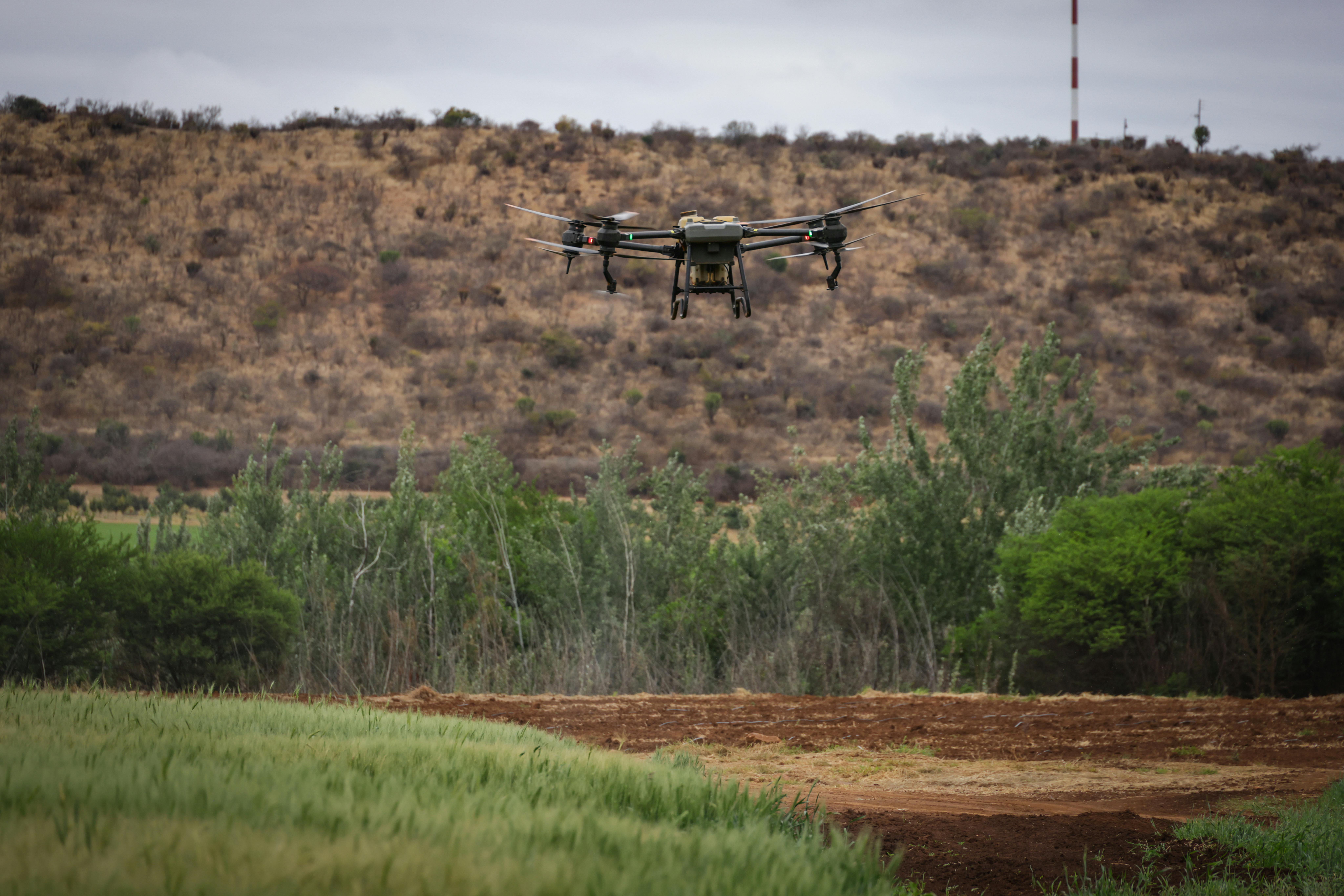
Drone imagery represents more than just another farming tool—it fundamentally transforms how we understand and manage crops. By providing aerial perspectives with unprecedented detail and revealing invisible aspects of plant health, drones enable truly data-driven agriculture that balances productivity, profitability, and environmental stewardship.
The technology has matured beyond early-adopter experimentation to become a mainstream management tool deployed on farms worldwide. As equipment costs decline, software improves, and knowledge spreads, adoption will continue accelerating. Farmers who embrace these sky-high solutions position themselves for success in increasingly competitive and environmentally conscious agricultural markets.
The view from above has never been clearer, and the insights gained from that perspective are revolutionizing how we grow the food that feeds our world. From detecting disease before symptoms appear to optimizing every drop of irrigation water, drone imagery empowers farmers to make smarter decisions that boost crop health, increase yields, and build more sustainable agricultural systems for future generations.