Drones are transforming how scientists, explorers, and professionals access and study remote landscapes that were once nearly impossible to reach safely or efficiently.

🚁 The New Eyes in the Sky: Why Drones Matter for Rugged Landscapes
For centuries, exploring treacherous mountain ranges, volcanic craters, deep canyons, and dense rainforests meant risking human lives and spending enormous resources. Traditional methods required teams of climbers, helicopter flights, or satellite imagery that often lacked the precision needed for detailed observation. Today, unmanned aerial vehicles (UAVs), commonly known as drones, have fundamentally changed this equation.
These flying machines equipped with advanced sensors, cameras, and GPS technology can navigate spaces where humans cannot safely venture. They provide high-resolution visual data, thermal imaging, and even 3D mapping capabilities while keeping operators at a safe distance. From geologists studying unstable cliff faces to wildlife researchers monitoring endangered species in remote habitats, drones have become indispensable tools for observation in challenging environments.
The revolution extends beyond just convenience. Drones offer unprecedented cost-effectiveness compared to manned aircraft, can be deployed rapidly in emergency situations, and collect data with remarkable precision. They’ve democratized access to aerial observation, allowing smaller research teams and conservation groups to undertake projects that would have previously required substantial institutional backing.
Breaking Through Geographic Barriers
Rugged terrain presents unique challenges that drones are uniquely positioned to overcome. Steep mountain slopes, unstable ground, extreme weather conditions, and lack of infrastructure have historically limited scientific research and exploration in many of the world’s most fascinating landscapes.
Mountain Peaks and Alpine Environments
High-altitude research has traditionally been among the most dangerous scientific endeavors. Drones equipped with specialized sensors can now survey glacial movements, monitor avalanche risks, and document climate change impacts on mountain ecosystems without exposing researchers to altitude sickness, extreme cold, or the risk of falls.
Advanced UAVs designed for high-altitude operation can reach elevations previously accessible only through dangerous climbing expeditions. They capture detailed imagery of rock formations, ice structures, and vegetation patterns that help scientists understand geological processes and ecosystem dynamics in these extreme environments.
Canyon Systems and Gorges
Deep canyons present their own set of observational challenges. Traditional surveying methods either required rappelling into dangerous locations or viewing from distant vantage points that compromised detail. Drones can descend into canyon systems, following the terrain contours while maintaining stable flight and capturing comprehensive visual data.
This capability has proven invaluable for archaeological surveys, geological mapping, and search-and-rescue operations. Researchers studying canyon formations, water erosion patterns, and unique microhabitats in gorge environments now have access to perspectives and data resolution that were previously impossible to obtain.
Technology Behind the Terrain-Conquering Drones
The effectiveness of drones in rugged environments stems from rapid advances in several key technologies. Understanding these innovations helps explain why UAVs have become so transformative for remote observation.
Advanced Flight Stabilization Systems
Modern drones employ sophisticated gyroscopes, accelerometers, and GPS systems that work together to maintain stable flight even in turbulent conditions. These systems make thousands of micro-adjustments per second, compensating for wind gusts, sudden elevation changes, and other environmental factors that would make older drone models nearly impossible to control in mountain valleys or coastal cliffs.
Obstacle avoidance technology has also progressed dramatically. Sensors detect nearby objects in multiple directions, allowing drones to navigate complex terrain autonomously or providing crucial safety warnings to human operators when manual control is preferred.
Imaging and Sensor Capabilities
The value of drone observation depends heavily on the quality and variety of data they can collect. Contemporary drones designed for professional terrain surveying often carry multiple sensor types:
- High-resolution optical cameras capturing detailed visual imagery in various lighting conditions
- Thermal imaging sensors detecting heat signatures for wildlife monitoring, geological surveys, and search operations
- LiDAR systems creating precise three-dimensional terrain maps by measuring laser reflection
- Multispectral sensors analyzing vegetation health, water quality, and geological composition through wavelengths invisible to human eyes
- Gas detection equipment monitoring volcanic emissions, air quality, and environmental contaminants
This multi-sensor approach provides comprehensive environmental data that creates remarkably complete pictures of remote locations without requiring physical presence.
Battery and Range Innovations
Early consumer drones suffered from severely limited flight times, often just 10-15 minutes per battery charge. Professional-grade UAVs designed for rugged terrain observation now achieve flight times exceeding 30-40 minutes, with some specialized models capable of even longer missions through advanced battery chemistry and aerodynamic efficiency improvements.
Extended-range models can operate several kilometers from their control stations while maintaining reliable communication links. This range expansion has opened vast territories to drone observation that were previously out of reach for practical survey missions.
Real-World Applications Transforming Research and Industry
The theoretical advantages of drone technology translate into tangible benefits across numerous fields where rugged terrain observation is essential.
🌋 Volcanic Monitoring and Geological Research
Volcanologists face constant danger when studying active volcanic systems. Toxic gases, unpredictable eruptions, unstable ground, and extreme heat make direct observation extraordinarily risky. Drones have revolutionized volcanic research by allowing scientists to monitor crater activity, gas emissions, and lava flows from safe distances.
These aerial platforms collect samples of volcanic gases, measure ground deformation that precedes eruptions, and document changes in volcanic features over time. The data gathered helps improve eruption prediction models and keeps local populations safer through better hazard assessment.
Wildlife Conservation in Remote Habitats
Conservation biologists studying endangered species in mountainous regions, dense forests, or isolated wetlands previously relied on ground surveys that were time-consuming, expensive, and potentially disruptive to the animals themselves. Drone observation allows researchers to conduct population counts, monitor breeding sites, and track movement patterns with minimal disturbance to wildlife.
Thermal imaging proves particularly valuable for nocturnal species surveys and detecting animals hidden beneath forest canopy. Anti-poaching efforts also benefit from drone patrols that can cover large territories and identify illegal activities in protected areas where traditional patrol methods are impractical.
Infrastructure Inspection and Engineering
Engineers responsible for maintaining bridges, dams, transmission towers, and pipelines in mountainous or otherwise difficult terrain face significant safety challenges. Drones equipped with high-resolution cameras can inspect structural integrity, identify corrosion, detect cracks, and assess damage without requiring workers to access dangerous locations.
This application extends to mining operations in rugged landscapes, where drones monitor slope stability, measure excavation volumes, and survey areas that would be hazardous for human inspection teams. The technology reduces workplace injuries while improving the frequency and thoroughness of safety inspections.
Search and Rescue Operations
When hikers, climbers, or other outdoor enthusiasts go missing in mountainous terrain, time becomes critically important. Drones can be deployed within minutes to search vast areas that would take ground teams hours or days to cover. Thermal cameras detect body heat signatures even in darkness or poor weather, dramatically improving the chances of locating missing persons quickly.
These aerial search platforms work alongside ground teams and manned helicopters, focusing search efforts on the most promising areas and providing real-time situational awareness to rescue coordinators. In avalanche scenarios, where every minute matters, drones can rapidly scan debris fields for survivors while avoiding the risk of secondary avalanches that endanger human rescuers.
Overcoming Environmental and Technical Challenges
Despite their revolutionary capabilities, drones operating in rugged terrain still face significant challenges that researchers and operators must navigate.
Weather and Wind Conditions
Mountain environments are notoriously unpredictable, with sudden weather changes, high winds, and temperature extremes. While modern drones handle moderate wind better than their predecessors, strong gusts can still overwhelm stabilization systems or drain batteries rapidly as motors work harder to maintain position.
Operators must carefully monitor weather forecasts, understand local wind patterns that develop around terrain features, and make conservative decisions about when conditions are suitable for flight. Some research projects deploy weather stations in study areas to provide real-time data that informs safe drone operation windows.
Signal Interference and Communication
Maintaining reliable control links between operator and drone becomes challenging when mountains, canyon walls, or dense vegetation block radio signals. Advanced drones employ frequency-hopping protocols and redundant communication systems to maintain connections, but operators still need to carefully plan flight paths that avoid losing signal contact.
Some missions use relay stations positioned on high ground to extend communication range into valleys or behind terrain features that would otherwise block signals. Autonomous flight modes that allow drones to complete pre-programmed routes and return home even if communication is temporarily lost provide additional safety margins.
Regulatory and Legal Considerations
Aviation regulations governing drone operations vary significantly between countries and even between regions within countries. Many rugged terrain locations of scientific interest lie within national parks, wilderness areas, or other protected lands where drone use may be restricted or prohibited.
Professional operators must navigate complex permitting processes, respect privacy concerns, and coordinate with aviation authorities when flying in controlled airspace. Responsible drone use in remote environments also includes considerations for wildlife disturbance, particularly during sensitive periods like breeding seasons.
The Future of Aerial Observation in Extreme Environments
Drone technology continues advancing at a remarkable pace, with innovations that will further expand capabilities for observing rugged terrain.
Artificial Intelligence and Autonomous Operation
Machine learning algorithms are increasingly integrated into drone systems, enabling more sophisticated autonomous behaviors. AI-powered drones can identify and track specific features of interest, automatically adjust camera settings for optimal data collection, and even make intelligent decisions about flight path modifications based on what they observe.
Object recognition software allows drones to conduct automated surveys, identifying and cataloging specific geological features, plant species, or wildlife without constant human oversight. This automation dramatically increases the efficiency of data collection while reducing the skill level required for operation.
Swarm Technology and Coordinated Observation
Rather than relying on single drones, emerging swarm technology enables multiple UAVs to work cooperatively on observation missions. These coordinated systems can simultaneously survey different aspects of an environment, creating comprehensive datasets much faster than sequential single-drone operations.
Swarm drones communicate with each other, dividing tasks efficiently and adapting to obstacles or equipment failures by redistributing work among remaining units. This resilience makes them particularly valuable for time-sensitive missions or large-area surveys in complex terrain.
Extended Endurance and Alternative Power Systems
Battery limitations remain one of the primary constraints on drone operations. Researchers are developing hybrid power systems that combine batteries with small combustion engines, fuel cells, or even solar panels to dramatically extend flight times. Some experimental systems achieve multi-hour endurance, opening possibilities for sustained monitoring missions that were previously impossible.
Wireless charging stations positioned in remote locations could allow drones to autonomously recharge between survey legs, essentially enabling indefinite operation for long-term environmental monitoring projects.
🎯 Making Drone Observation Accessible and Effective
As drone technology matures, it becomes increasingly accessible to smaller organizations, academic researchers, and conservation groups working with limited budgets. Consumer and prosumer drone models now offer capabilities that rival professional equipment from just a few years ago at a fraction of the cost.
Training programs and certification courses help operators develop the skills needed to safely and effectively deploy drones in challenging environments. Many organizations now offer specialized instruction focused on terrain observation techniques, data processing workflows, and emergency procedures specific to remote operation scenarios.
The data collected by drones generates enormous value only when properly processed and analyzed. Software tools for photogrammetry, 3D reconstruction, thermal analysis, and multispectral interpretation have become more user-friendly and powerful, allowing researchers to extract meaningful insights from the raw information captured during flights.
Transforming Our Relationship With Remote Landscapes
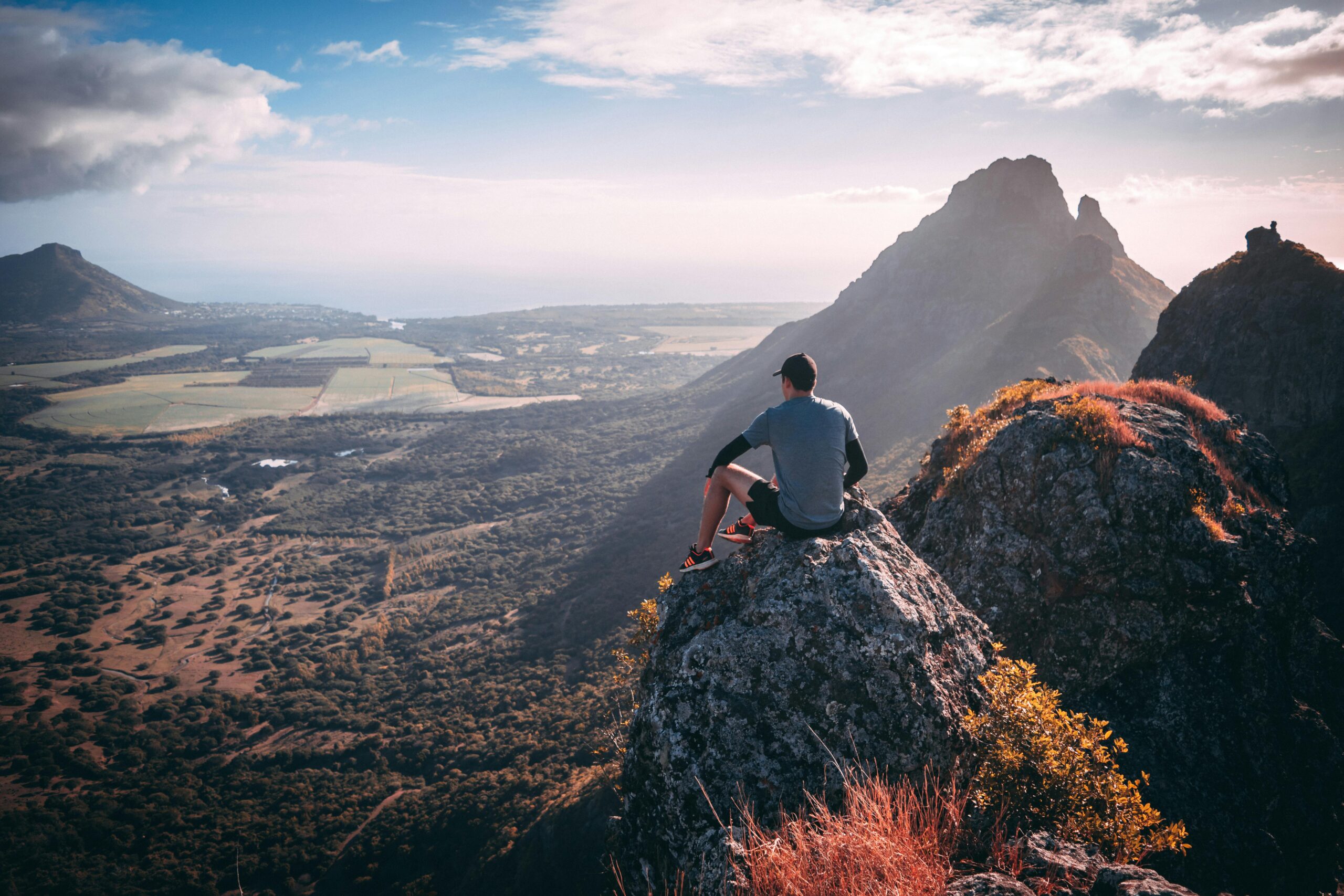
Beyond their practical applications, drones are fundamentally changing how humans interact with and understand rugged environments. They provide intimate, detailed perspectives on landscapes that few people will ever physically visit, democratizing access to Earth’s most spectacular and scientifically important locations.
This technology allows educators to bring remote environments into classrooms, showing students detailed views of geological processes, ecosystem dynamics, and environmental changes in ways that static images or descriptions never could. The immersive quality of drone footage creates emotional connections to distant places, potentially fostering greater environmental awareness and conservation support.
For indigenous communities and local populations living near rugged terrain, drones offer tools for documenting traditional lands, monitoring environmental changes affecting their territories, and gathering evidence when advocating for land rights or environmental protection. This democratization of observation technology shifts power dynamics, giving voice to communities previously dependent on outside experts and expensive technology.
The revolution in terrain observation continues accelerating as technology advances and more professionals across diverse fields recognize the transformative potential of aerial platforms. From scientific research to commercial applications, from conservation efforts to emergency response, drones have proven their value in accessing and understanding the unreachable portions of our planet. As these systems become more capable, affordable, and easier to operate, their impact will only grow, opening new frontiers of knowledge about Earth’s most challenging and captivating landscapes.