Citizen science is revolutionizing how we protect our planet’s most vulnerable ecosystems, particularly the hidden microhabitats within deep forests that harbor extraordinary biodiversity.

🌳 The Hidden World Beneath the Canopy
Deep within the world’s remaining forests lies a universe of microscopic ecosystems that most people will never see. These microhabitats—from the bark crevices of ancient trees to the underside of fallen logs—represent some of the most biodiverse spaces on Earth. Yet they remain among the least studied and most threatened environments on our planet.
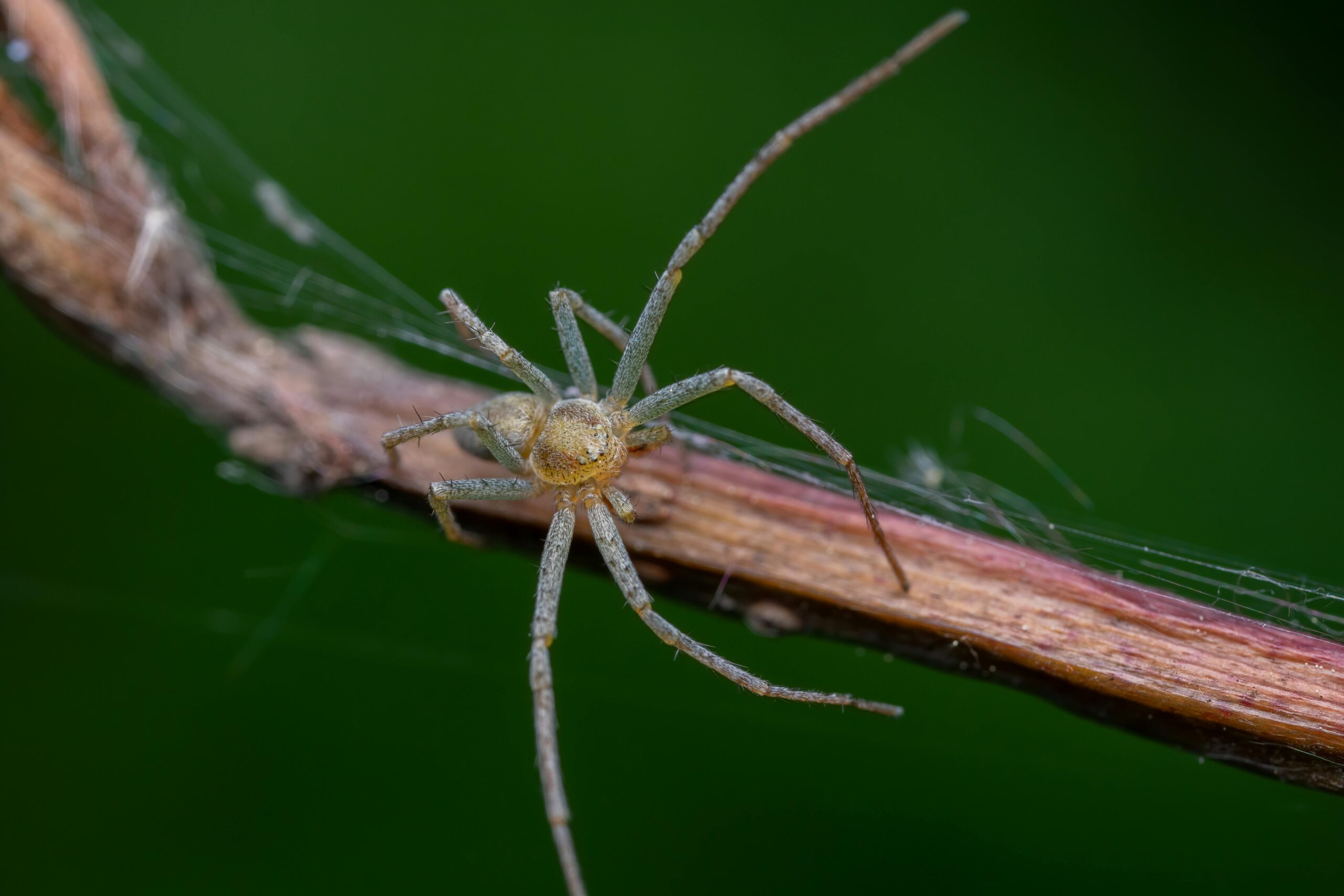
Forest microhabitats serve as critical refuges for countless species of insects, fungi, mosses, lichens, and microorganisms. A single rotting log can support hundreds of species, while the cavity of an old tree might harbor rare beetles, bats, and specialized fungi found nowhere else. These tiny ecosystems function as the foundation of forest health, driving nutrient cycling, decomposition, and supporting the food webs that sustain larger wildlife.
Traditional scientific research has struggled to adequately document and monitor these microhabitats. The sheer scale of forest ecosystems, combined with limited funding and personnel, means that vast areas remain unexplored. This is where citizen science emerges as a transformative force, mobilizing thousands of volunteers to observe, document, and protect these critical spaces.
🔬 What Makes Forest Microhabitats So Critical?
Understanding the importance of forest microhabitats requires recognizing their multifaceted roles in ecosystem functioning. These miniature environments are far more than simple biological curiosities—they represent essential infrastructure for forest resilience and planetary health.
Forest microhabitats act as specialized niches where rare and endemic species can survive. Many organisms have evolved to occupy extremely specific conditions—particular moisture levels, specific decay stages of wood, or unique temperature gradients. When these microhabitats disappear through logging, land clearing, or climate change, the species dependent on them often vanish entirely.
The Decomposition Engine
Decomposition processes happening within microhabitats return nutrients to forest soils, maintaining the fertility that supports entire forest communities. Fungi, bacteria, and invertebrates working in these tiny spaces break down complex organic matter, releasing nitrogen, phosphorus, and other essential elements back into circulation.
Research has shown that forests with abundant microhabitats demonstrate greater resilience to drought, disease, and climate fluctuations. The biological diversity concentrated in these small spaces provides functional redundancy—if one species declines, others can partially compensate, maintaining ecosystem services.
📱 The Citizen Science Revolution
The smartphone era has democratized scientific observation like never before. Today, anyone with a mobile device can contribute meaningful data to conservation efforts, documenting species, mapping habitats, and monitoring environmental changes with unprecedented precision.
Citizen science platforms have transformed how we collect biodiversity data. Applications like iNaturalist enable users to photograph organisms, automatically suggest identifications using artificial intelligence, and contribute verified observations to global databases used by researchers worldwide.
Through these platforms, citizen scientists have made remarkable discoveries. Rare species presumed extinct have been rediscovered, invasive species tracked in real-time, and phenological shifts documented across continents. The collective power of thousands of observers provides data density that traditional research could never achieve.
Training the Next Generation of Forest Stewards
Citizen science programs focused on forest microhabitats serve an educational function that extends far beyond data collection. Participants develop ecological literacy, learning to recognize indicator species, understand decomposition processes, and appreciate forest complexity.
Children and adults engaged in these projects report increased environmental awareness and stronger connections to nature. This psychological shift—from viewing forests as mere scenery to understanding them as living systems—creates advocates who support conservation policies and sustainable practices.
🗺️ Mapping the Invisible: Documentation Strategies
Effective citizen science projects require clear protocols that balance scientific rigor with accessibility. Successful microhabitat documentation programs provide participants with straightforward methods for observation while maintaining data quality standards.
Standardized survey methods enable comparisons across time and space. Projects typically ask volunteers to establish small monitoring plots, documenting specific features such as:
- Standing dead trees (snags) with visible cavities or bark peeling
- Fallen logs in various stages of decay
- Moss and lichen coverage on tree trunks and rocks
- Epiphytic plants growing on other vegetation
- Fungal fruiting bodies and their substrates
- Invertebrate activity and diversity in specific microhabitats
Photographic documentation serves multiple purposes. Images provide verification for species identifications, create permanent records of habitat conditions, and generate visual content that can engage broader audiences in conservation messaging.
Technology Enabling Precision
GPS capabilities in smartphones allow precise geocoding of observations, enabling spatial analysis of microhabitat distribution. Researchers can identify hotspots of biodiversity, corridors connecting habitat patches, and areas where microhabitats have declined.
Time-stamped observations reveal temporal patterns invisible to individual observers. Aggregated data shows seasonal variations in fungal fruiting, insect emergence timing, and how climate variations affect microhabitat organisms.
🌍 Global Networks, Local Action
The true power of citizen science emerges when local observations connect to global networks. Individual data points, seemingly insignificant alone, combine to reveal continent-scale patterns in biodiversity, climate impacts, and habitat loss.
International platforms like eBird, iNaturalist, and specialized forest monitoring projects have created databases containing hundreds of millions of observations. These datasets enable research impossible through traditional methods, from modeling species distributions under climate change scenarios to identifying previously unknown biodiversity hotspots.
Community-Based Conservation
Local citizen science groups often become powerful conservation advocates. Armed with data about their forests, communities can challenge destructive development proposals, designate protected areas, and implement management practices that preserve microhabitat diversity.
In regions where formal conservation infrastructure is weak, citizen scientists provide essential monitoring. They detect illegal logging, document wildlife populations, and alert authorities to environmental violations, serving as eyes and ears for under-resourced agencies.
🛡️ Challenges and Solutions in Deep-Forest Monitoring
Despite its potential, citizen science in deep forests faces significant challenges. Remote locations, difficult terrain, and lack of infrastructure can limit participation. Safety concerns, from wildlife encounters to getting lost, require careful planning and preparation.
Data quality remains an ongoing concern. Misidentifications, incomplete observations, and sampling bias can compromise scientific value. Successful projects implement verification systems where experts review submissions, provide feedback, and ensure data reliability.
Bridging the Digital Divide
Not all potential citizen scientists have access to smartphones or reliable internet connectivity. Projects must consider alternative methods, such as paper datasheets, community workshops with shared equipment, and partnerships with schools or community centers.
Language barriers can exclude non-English speakers from many platforms. Developing multilingual interfaces and locally-relevant educational materials ensures broader participation and recognizes the traditional ecological knowledge held by indigenous and local communities.
🌱 From Data to Conservation Action
Collecting data represents only the first step. Transforming observations into tangible conservation outcomes requires deliberate strategies that connect citizen science to policy, management, and public engagement.
Conservation organizations increasingly incorporate citizen science data into planning processes. Protected area managers use volunteer observations to track endangered species, monitor restoration projects, and adapt management strategies to changing conditions.
Policy Influence Through Evidence
Robust datasets generated by citizen scientists provide evidence that influences environmental policy. When communities document microhabitat loss in proposed development areas, they can present scientifically credible arguments for alternative approaches or stronger protections.
Several countries have integrated citizen science observations into national biodiversity monitoring programs, recognizing their value for tracking progress toward international conservation commitments like the Convention on Biological Diversity targets.
🔮 The Future of Forest Microhabitat Conservation
Emerging technologies promise to enhance citizen science capabilities dramatically. Artificial intelligence continues improving automated species identification, reducing barriers for beginners while maintaining accuracy. Environmental DNA sampling may soon allow citizens to detect species from soil or water samples without seeing organisms directly.
Virtual reality and augmented reality technologies could provide immersive training experiences, helping volunteers develop identification skills and understand ecological relationships before entering forests. These tools might simulate rare species encounters or visualize invisible processes like nutrient cycling.
Building Resilient Monitoring Networks
Climate change makes long-term monitoring increasingly critical. Citizen science networks positioned to track decades of observations will reveal how microhabitats and their inhabitants respond to warming temperatures, altered precipitation, and extreme weather events.
This longitudinal data becomes invaluable for adaptive management. Conservation strategies can evolve based on real-world evidence of what works, which species prove resilient, and how to maintain microhabitat diversity under changing conditions.
💡 Getting Started: Practical Steps for Aspiring Citizen Scientists
Anyone passionate about forests can contribute to microhabitat conservation. Beginning requires curiosity rather than expertise—skills develop through participation and learning from experienced community members.
Start by connecting with existing projects in your region. Search for local natural history societies, environmental organizations, or university programs that coordinate forest monitoring. Many offer training sessions that teach identification skills and proper documentation methods.
Invest time learning about your local forest ecology. Field guides, online resources, and workshops help develop the knowledge needed to recognize important microhabitats and understand their ecological roles.
Essential Equipment and Preparation
Basic citizen science requires minimal equipment. A smartphone with camera and GPS capabilities, field notebook, hand lens for close observation, and appropriate outdoor clothing suffice for most projects. As skills develop, specialized equipment like macro photography lenses or moisture meters might enhance observations.
Safety planning is paramount when working in remote forests. Inform others of your location and expected return time, carry navigation tools and emergency supplies, and understand local hazards from weather to wildlife.
🤝 Collaboration: The Heart of Sustainable Conservation
Protecting forest microhabitats requires partnerships spanning citizen volunteers, professional scientists, land managers, policymakers, and local communities. Each group brings unique perspectives, resources, and expertise to conservation challenges.
Scientists gain access to data impossible to collect independently while citizens benefit from expert knowledge and see their observations contribute to research publications. Land managers receive monitoring information that improves stewardship, while policymakers access evidence supporting conservation decisions.
Indigenous communities often possess generations of traditional ecological knowledge about forest ecosystems. Respectfully integrating this wisdom with citizen science creates more comprehensive understanding and culturally appropriate conservation strategies.
🌟 Empowering a Movement for Forest Futures
The convergence of environmental urgency, technological capability, and public engagement has created unprecedented opportunity. Citizen science focused on forest microhabitats represents more than data collection—it embodies a fundamental shift in how society relates to nature.
As participants document moss species, photograph rare beetles, or map rotting logs, they become invested in forest health. This personal connection motivates behavioral changes, from supporting conservation funding to making sustainable consumer choices that reduce deforestation pressure.
Scaling these efforts requires sustained commitment from multiple sectors. Governments can integrate citizen science into environmental monitoring frameworks, providing resources and official recognition. Educational institutions can incorporate field observation into curricula, developing scientific literacy from early ages. Technology companies can design platforms optimized for environmental documentation, making participation intuitive and rewarding.
The microhabitats hidden in deep forests represent irreplaceable biological heritage. Their protection determines whether countless species persist or vanish, whether forests maintain resilience or degrade, and whether future generations inherit living ecosystems or impoverished landscapes. Citizen science offers a pathway forward—transforming concern into action, observers into conservationists, and individual efforts into collective impact that safeguards these vital spaces for a sustainable future.