
Natural disasters like wildfires and severe storms demand immediate action. Micro-conservation strategies offer targeted, rapid response solutions that protect ecosystems while communities rebuild and recover from environmental catastrophes.

🔥 Understanding the Urgency of Post-Disaster Conservation
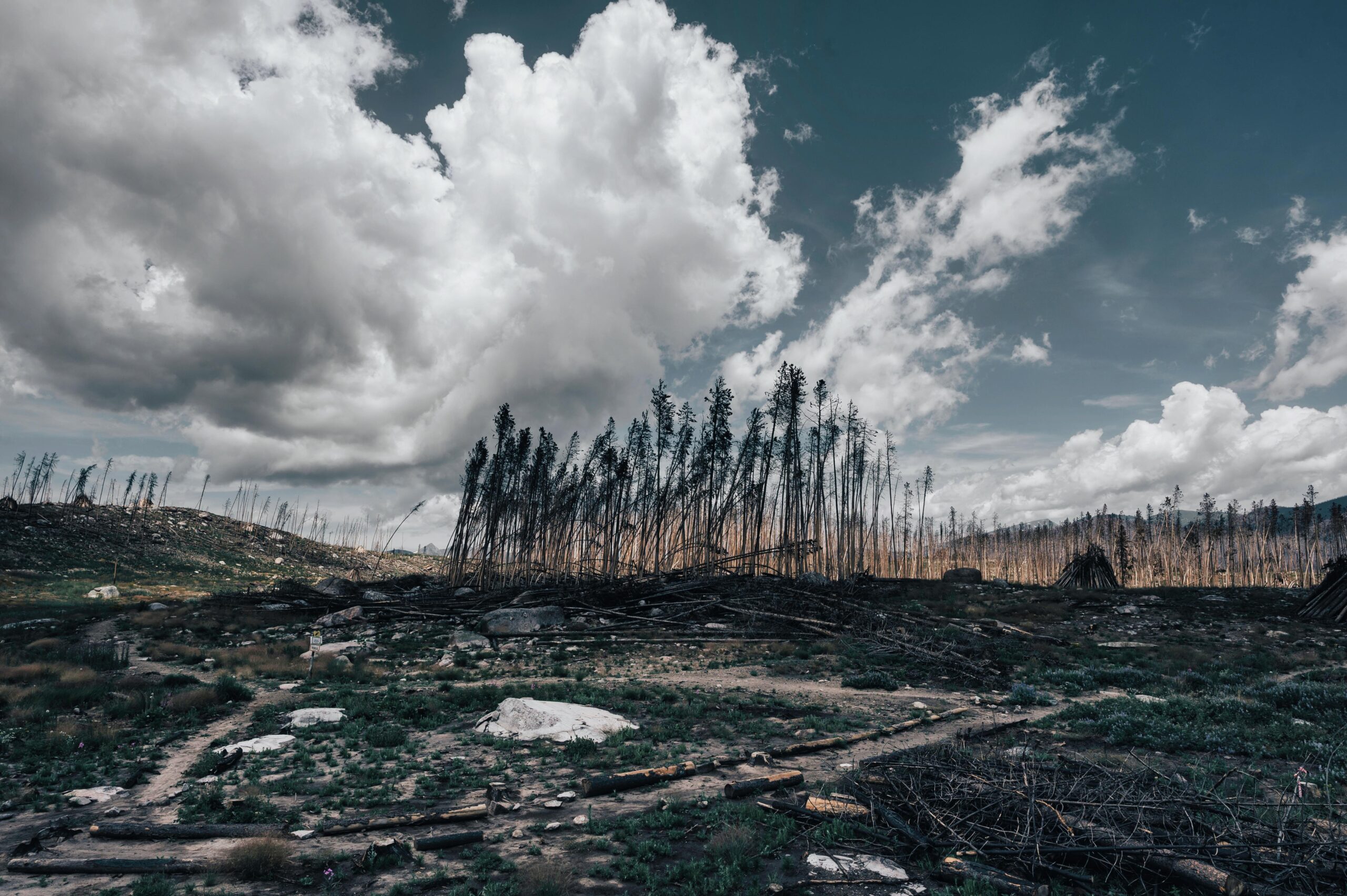
When fire sweeps through a forest or a hurricane tears across coastal regions, the ecological damage extends far beyond what’s immediately visible. The critical window for intervention is surprisingly narrow—often just days or weeks—before secondary damage compounds the initial destruction. Erosion begins immediately after vegetation loss, invasive species colonize disturbed areas within weeks, and wildlife populations fragment as habitats disappear.
Micro-conservation approaches differ fundamentally from traditional large-scale restoration projects. Instead of waiting months or years for comprehensive environmental assessments and major funding, these strategies deploy small-scale, targeted interventions that can be implemented quickly by local teams, volunteers, and even individual property owners. The philosophy centers on doing what can be done now, with available resources, to prevent further degradation while buying time for more extensive recovery efforts.
Research from recent wildfire recoveries in California, Australia, and the Mediterranean demonstrates that immediate micro-interventions can reduce soil loss by up to 70% and increase native species survival rates by 40-60% compared to areas left unmanaged during the critical first weeks post-disaster.
🌱 Immediate Soil Stabilization Techniques
Soil erosion represents one of the most urgent threats following fire and storm events. Without vegetative cover, topsoil—which took centuries to develop—can wash away in a single rain event. Rapid response soil stabilization doesn’t require heavy equipment or massive budgets; it requires knowledge and quick action.
Emergency Mulching Applications
Agricultural straw, wood chips, or even cardboard can provide immediate ground cover. The material doesn’t need to be pretty or permanent—it just needs to shield exposed soil from raindrop impact and slow water flow. Application rates of 2-3 inches depth across critical slopes can reduce erosion by 80% or more. Focus areas should include slopes above waterways, drainage channels, and areas upslope from infrastructure or sensitive habitats.
Local sawmills, landscaping companies, and agricultural operations often have materials available at low or no cost, especially when supporting disaster recovery efforts. Community coordination through social media and local emergency management offices can mobilize these resources within 48-72 hours of an event.
Biodegradable Erosion Control Blankets
For steeper slopes or more sensitive areas, erosion control blankets made from jute, coir, or straw provide more structured protection. These materials typically cost $0.50-$3.00 per square yard and can be installed by volunteers with minimal training. Priority installation sites include:
- Stream banks and riparian corridors where sediment loads threaten aquatic ecosystems
- Steep slopes above roads, homes, or public infrastructure
- Areas immediately surrounding surviving vegetation islands that serve as seed sources
- Historical sites or culturally significant landscapes
- Watersheds feeding municipal water supplies
💧 Protecting Water Resources in the Aftermath
Fire and storm damage severely compromise water quality through increased sediment loads, ash contamination, and chemical runoff from destroyed structures. Micro-conservation strategies for water protection focus on creating simple filtration barriers and diversion structures.
Check Dams and Sediment Traps
Small check dams constructed from locally available materials—rocks, logs, sandbags, or woven branches—can capture sediment before it reaches streams and reservoirs. These temporary structures don’t require engineering degrees; they require understanding basic hydrology principles and strategic placement. Effective check dams are typically 12-24 inches high, placed in series along drainage channels, and designed to overflow rather than create ponding that might fail catastrophically.
In burnt watersheds feeding reservoirs, coordinated check dam installation has reduced sediment loads by 50-85% during the first critical post-fire year. The structures require minimal maintenance and naturally break down over 2-4 years as vegetation recovers.
Bioswales and Filter Strips
Where space permits, quickly establishing grass or installing fiber rolls along water courses creates living filters. Even hastily scattered grass seed on disturbed areas near streams provides some filtration benefit within weeks. Native sedges, rushes, and grasses adapted to local conditions work best, but in emergency situations, fast-growing annual grasses provide immediate erosion control while native species establish.
🐦 Emergency Wildlife Habitat Protection
Displaced wildlife faces immediate threats from predation, starvation, and exposure following disasters. Micro-conservation for wildlife focuses on preserving habitat remnants and creating temporary refuges until natural systems recover.
Protecting Vegetation Islands
Patches of surviving vegetation serve as critical refuges and seed sources. These islands deserve priority protection through firebreaks, erosion control around their perimeters, and sometimes supplemental watering during initial recovery periods. Mapping these areas using smartphone GPS and sharing locations through conservation networks ensures multiple stakeholders can coordinate protection efforts.
Simple protective measures include clearing flammable debris from perimeters, installing temporary fencing to prevent trampling by displaced wildlife or recovery equipment, and marking boundaries to prevent accidental damage during cleanup operations.
Temporary Water and Food Sources
Strategic placement of supplemental water sources—as simple as livestock tanks or large containers refilled regularly—can prevent wildlife from abandoning recovering areas in search of water. Similarly, protecting or planting fast-growing forage species in safe zones helps maintain herbivore populations while natural food sources regenerate.
These interventions require careful consideration of potential negative effects, including disease transmission at water sources and artificial concentration of predators. Working with local wildlife agencies ensures interventions help rather than harm.
🌳 Rapid Regreening Strategies
While full ecosystem restoration takes decades, quick establishment of vegetative cover provides multiple benefits: erosion control, wildlife forage, carbon sequestration, and psychological healing for affected communities.
Seed Bombing and Direct Seeding
Native seed mixes broadcast across disturbed areas immediately after disasters can achieve 30-60% establishment rates when timed with seasonal rains. The technique works best with locally sourced seeds from species adapted to disturbance. Many conservation districts and native plant societies maintain seed banks specifically for post-disaster deployment.
Seed balls—clay-encased seed mixtures that protect seeds from predation and provide moisture retention—can be literally thrown onto inaccessible slopes, road banks, and disturbed areas. Community groups, school children, and volunteers can prepare thousands of seed balls for deployment with minimal cost and training.
Cutting and Pole Planting
For riparian areas, live cuttings from willows, cottonwoods, and other water-loving species provide nearly instant vegetation. Cuttings 2-4 feet long simply pushed into moist soil often achieve 70-90% success rates with zero aftercare. A single person can plant hundreds of cuttings per day, creating substantial habitat quickly and inexpensively.
📱 Technology-Enabled Coordination
Modern micro-conservation efforts benefit enormously from digital coordination tools that connect volunteers, track interventions, and share real-time information about needs and resources.
Mapping applications allow volunteers to document erosion control installations, vegetation survival, and emerging problems. Photo documentation creates accountability and helps refine techniques. Social platforms mobilize resources and volunteers with unprecedented speed. Even simple group messaging apps coordinate daily work assignments and material deliveries.
Several specialized apps now support disaster response conservation. The iNaturalist platform helps document surviving species and track recovery. MapSwipe and similar tools enable remote volunteers to assist with damage assessment. Local conservation groups increasingly use dedicated volunteer coordination platforms to organize rapid response teams.
🤝 Community Mobilization and Volunteer Networks
Micro-conservation’s greatest strength lies in its accessibility to non-experts. Effective community mobilization transforms disaster response from something that happens to communities into something communities actively participate in.
Rapid Training Protocols
Effective micro-conservation techniques can be taught in 1-2 hour training sessions. Local conservation districts, university extension services, and environmental nonprofits increasingly offer rapid response training that equips community members with practical skills deployable immediately after disasters.
Training focuses on safe, low-skill interventions: spreading mulch, installing erosion blankets, placing check dams, collecting and broadcasting seed, and documenting conditions. Participants learn to recognize situations requiring professional expertise versus those suitable for volunteer action.
Youth and School Engagement
Students from middle school through college represent an enormous, often underutilized resource for micro-conservation. Service learning projects, outdoor education programs, and youth conservation corps can mobilize hundreds of volunteers while providing meaningful education about ecology, disaster response, and community resilience.
Schools in disaster-prone regions increasingly incorporate disaster response conservation into curricula, preparing students with practical skills before disasters strike. Post-disaster projects provide powerful learning experiences while accomplishing real conservation work.
💰 Funding and Resource Acquisition
Micro-conservation’s appeal includes its low cost, but even modest interventions require funding. Successful programs tap diverse revenue streams and in-kind resource donations.
Emergency Microgrants
Community foundations, environmental nonprofits, and conservation organizations increasingly maintain rapid response funds that provide $500-$5,000 grants within days of disasters. These microgrants fund immediate material purchases, volunteer support, and coordination costs without the lengthy application processes typical of traditional grants.
Material Donations and Corporate Partnerships
Local businesses often donate materials, equipment use, and services following disasters. Landscape companies provide mulch and equipment, nurseries donate plants and seed, hardware stores provide tools and supplies. Proactive outreach before disaster season creates relationships that activate quickly when needed.
| Resource Type | Typical Sources | Deployment Timeline |
|---|---|---|
| Mulch Materials | Tree services, sawmills, landscape companies | 24-72 hours |
| Erosion Control Products | Landscape suppliers, conservation districts | 3-7 days |
| Native Seeds | Native plant societies, seed banks, conservation nurseries | 1-4 weeks |
| Volunteer Labor | Community groups, schools, religious organizations | Immediate-7 days |
| Equipment Access | Local contractors, rental companies, public works | 1-5 days |
📊 Monitoring and Adaptive Management
Rapid response doesn’t mean haphazard action. Effective micro-conservation includes simple monitoring that tracks intervention effectiveness and guides adaptive management.
Photo monitoring provides the simplest assessment tool. Establishing photo points before interventions and returning weekly or monthly to capture comparison images documents change with minimal effort. Volunteers can monitor dozens of sites, creating powerful visual records of recovery trajectories and intervention effectiveness.
Simple metrics like percent ground cover, presence/absence of erosion features, species counts, and vegetation height can be assessed quickly without specialized equipment. Citizen science platforms increasingly provide standardized protocols that allow data sharing across projects and regions, building collective knowledge about effective micro-conservation approaches.
⚡ Integration with Professional Recovery Efforts
Micro-conservation never replaces professional ecological restoration—it complements and enables it. Professional teams inevitably face overwhelming demands following major disasters. Well-executed micro-conservation addresses urgent needs across broader landscapes than professionals could possibly cover, while professional efforts concentrate on highest-priority or most technical challenges.
Effective coordination requires clear communication about who’s doing what where. Geographic information systems (GIS) increasingly provide platforms where volunteer groups, agencies, nonprofits, and professionals track interventions, preventing duplication while identifying gaps. Regular coordination meetings—even brief virtual check-ins—ensure complementary rather than conflicting efforts.
🌍 Building Long-Term Resilience Through Rapid Response
Beyond immediate disaster recovery, micro-conservation strategies build community capacity and ecological resilience that reduces future disaster impacts. Communities that organize rapid response networks develop social capital, practical knowledge, and material resources that serve multiple purposes.
Trained volunteer networks assist with ongoing conservation needs between disasters. Equipment and material supply chains established for emergency response support routine stewardship projects. Community members who’ve participated in disaster response develop deeper connections to local landscapes and stronger commitment to proactive conservation.
Ecologically, landscapes that receive immediate post-disaster intervention often recover faster and more completely than those left unmanaged. Preventing erosion preserves soil resources needed for regeneration. Protecting vegetation remnants maintains genetic diversity and seed sources. Controlling invasive species in the critical early post-disturbance period prevents establishment problems that persist for decades.
🔄 Scaling Micro-Conservation Across Landscapes
Individual micro-conservation projects generate localized benefits, but coordinated efforts across watersheds, ecosystems, and regions create landscape-scale impact. Network approaches that connect multiple community groups, coordinate interventions strategically, and share resources and knowledge magnify individual efforts.
Regional conservation collaboratives increasingly facilitate micro-conservation networks. These organizations provide training, maintain equipment libraries, coordinate volunteer deployment, secure funding, and ensure quality control across multiple local efforts. The model balances grassroots implementation with professional guidance and strategic coordination.
Digital platforms enable unprecedented coordination across distance. Online communities share techniques, troubleshoot problems, celebrate successes, and maintain momentum between disasters. When new fires or storms strike, experienced groups rapidly share lessons learned, avoiding pitfalls and accelerating effective response.
🎯 Taking Action: Starting Your Micro-Conservation Response
Communities and individuals interested in developing micro-conservation capacity need not wait for disaster to strike. Proactive preparation dramatically improves response effectiveness when emergencies occur.
Begin by identifying local conservation districts, environmental organizations, and emergency management agencies working in your area. Attend training opportunities and volunteer with ongoing projects to develop practical skills and relationships. Assess local material sources and potential equipment access before they’re urgently needed.
Form or join community conservation networks focused on disaster resilience. Develop communication channels, identify potential volunteers, and establish basic coordination structures during calm periods. Create or contribute to seed banks focused on native species appropriate for rapid post-disaster deployment.
Document vulnerable areas before disasters strike—critical slopes, important habitat remnants, erosion-prone zones, and water quality concerns. Post-disaster response becomes far more effective when priority intervention sites have been identified in advance.
Most importantly, recognize that micro-conservation isn’t about having perfect knowledge or unlimited resources—it’s about taking practical action with what’s available. Every mulched slope, planted cutting, and installed erosion blanket contributes to recovery and resilience. Collective action by communities equipped with basic knowledge and empowered to respond generates conservation impact far exceeding what professionals alone could accomplish.
The increasing frequency and intensity of fires and storms makes rapid response conservation not just beneficial but essential. Micro-conservation strategies provide accessible, effective tools for communities to protect and restore the landscapes they depend on, transforming disaster response from passive waiting to active healing.