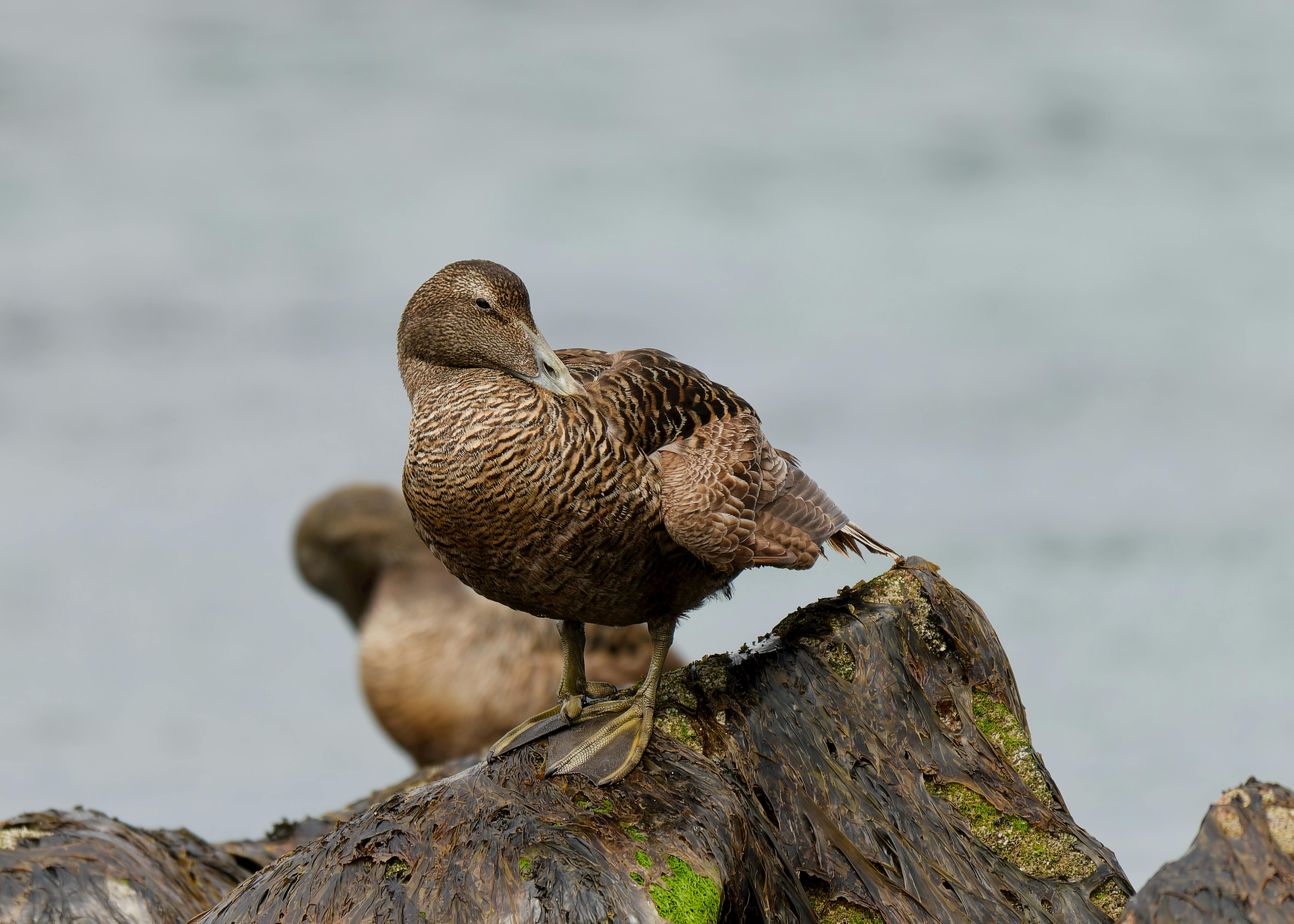
Water ecosystems are among the most diverse and essential environments on Earth. Exploring their hidden treasures can transform how we understand and protect aquatic life today.

🌊 The Hidden Universe Beneath the Surface
Every stream, pond, and wetland harbors an incredible array of organisms that work together to create balanced, thriving ecosystems. From microscopic plankton to vibrant amphibians, these aquatic habitats represent nature’s most intricate biological networks. Understanding water biodiversity isn’t just an academic pursuit—it’s a gateway to preserving our planet’s most precious resources and discovering the interconnected web of life that sustains us all.
Stream and pond kits offer an accessible entry point into this fascinating world. These specialized toolkits provide everything needed to explore, document, and enhance aquatic biodiversity in your local waterways. Whether you’re an educator seeking to inspire students, a conservation enthusiast working to restore habitats, or simply someone curious about the natural world, these kits unlock opportunities to make tangible differences in ecosystem health.
What Makes Water Biodiversity So Critical? 🐸
Aquatic ecosystems support approximately 40% of all fish species and countless invertebrates, amphibians, plants, and microorganisms. These environments serve as nature’s water filtration systems, flood control mechanisms, and carbon storage facilities. Beyond their ecological functions, healthy streams and ponds provide recreational opportunities, aesthetic beauty, and educational value for communities worldwide.
The biodiversity within these systems operates on multiple levels. Microorganisms break down organic matter and cycle nutrients. Aquatic insects serve as indicators of water quality and food sources for fish and birds. Plants oxygenate the water and provide shelter for developing larvae and juveniles. Predatory fish maintain population balance, preventing any single species from dominating the ecosystem.
Unfortunately, water biodiversity faces unprecedented threats. Pollution, habitat destruction, climate change, and invasive species have degraded countless aquatic environments. Stream and pond kits empower individuals and groups to take action, monitoring ecosystem health and implementing restoration strategies that reverse negative trends and promote resilient, diverse biological communities.
Inside Your Stream and Pond Biodiversity Kit 🔬
Comprehensive stream and pond kits typically include carefully selected tools designed for field research and ecosystem enhancement. Understanding what comes in these kits helps you maximize their potential and achieve meaningful results in your aquatic exploration journey.
Essential Testing Equipment
Water quality parameters directly influence biodiversity levels. Most kits include testing equipment for measuring pH, dissolved oxygen, temperature, turbidity, and nutrient levels. These measurements reveal critical information about habitat suitability for different organisms. For example, dissolved oxygen levels above 5 mg/L support diverse fish populations, while lower levels indicate stress conditions that limit species diversity.
Testing strips or digital meters provide quick assessments during field visits, while more sophisticated equipment enables detailed laboratory analysis. Regular monitoring establishes baseline conditions and tracks changes over time, helping you identify problems early and measure the effectiveness of enhancement efforts.
Collection and Observation Tools
Nets, collection jars, magnifying glasses, and field microscopes allow hands-on exploration of aquatic life. Dip nets capture swimming organisms, while specialized substrate samplers reveal creatures living in sediments. Observation containers with magnification enable close examination without harming specimens, teaching proper handling techniques that prioritize animal welfare.
Many kits include identification guides featuring common aquatic organisms found in streams and ponds. These resources help users recognize mayfly nymphs, dragonfly larvae, water beetles, tadpoles, and countless other creatures that indicate ecosystem health. Photography equipment or smartphone adapters document findings, creating visual records that track biodiversity changes across seasons and years.
Enhancement Materials
Beyond observation, many kits include materials for actively improving habitat quality. Native aquatic plant seeds or plugs establish vegetation that provides oxygen, shelter, and food. Artificial structures like rock clusters or woody debris bundles create microhabitats for different species. Beneficial bacteria supplements jumpstart nutrient cycling in newly created or restored water features.
Educational materials guide proper installation and maintenance of enhancement features. Step-by-step instructions ensure that interventions support biodiversity rather than inadvertently causing harm. Best practices emphasize working with natural processes, choosing native species, and avoiding introduction of non-native organisms that could become invasive.
Building Vibrant Stream Ecosystems 🏞️
Streams present unique opportunities and challenges for biodiversity enhancement. Their flowing water creates diverse microhabitats—fast-moving riffles, slow pools, and transitional glides each support different species assemblages. Understanding stream ecology helps you identify strategic intervention points that yield maximum biodiversity benefits.
Assessing Stream Health
Begin by evaluating current conditions. Walk the stream corridor, noting physical features like substrate composition, bank stability, canopy cover, and flow patterns. Collect macroinvertebrates from various habitats—riffles typically harbor the greatest diversity. Use biotic indices that assign tolerance values to different organisms, calculating overall scores that indicate excellent, good, fair, or poor water quality.
Physical habitat assessments complement biological surveys. Measure stream width, depth, and velocity. Document channelization, bank erosion, or sedimentation issues. Identify pollution sources like stormwater outfalls or agricultural runoff. This comprehensive baseline establishes priorities for enhancement activities and provides benchmarks for measuring future improvements.
Strategic Enhancement Approaches
Stream enhancement focuses on restoring natural structures and processes. Installing root wads or boulder clusters creates fish habitat and slows water velocity, allowing sediment deposition that builds healthy substrate. Planting native riparian vegetation stabilizes banks, filters runoff, and provides organic matter that fuels aquatic food webs. Removing barriers like small dams or culverts reconnects fragmented habitats, allowing fish migration and genetic exchange.
Working with natural stream patterns produces sustainable results. Meandering channels with alternating pools and riffles support more species than straight, channelized waterways. Strategic placement of large wood mimics natural log jams, creating complex habitat that benefits everything from sculpin to salamanders. These interventions work with stream energy rather than fighting against it, creating resilient ecosystems that withstand floods and droughts.
Cultivating Pond Biodiversity 🦆
Ponds offer different biodiversity opportunities than streams. Their still waters support organisms adapted to lentic environments—dragonflies, diving beetles, water lilies, and species that wouldn’t survive in flowing water. Whether working with natural ponds, created wetlands, or even backyard water features, enhancement strategies can dramatically increase species richness and ecosystem functionality.
Creating Habitat Complexity
Pond biodiversity thrives on structural diversity. Shallow littoral zones with emergent vegetation provide breeding habitat for amphibians and feeding areas for wading birds. Deeper zones offer refuge during temperature extremes and predator avoidance. Submerged plants oxygenate water and support invertebrate communities that form the foundation of pond food webs.
Installing a variety of habitat features accommodates more species. Flat rocks near the surface create basking spots for turtles. Submerged brush piles offer cover for fish and invertebrates. Floating platforms provide nesting substrate for waterfowl. Gently sloping edges allow safe access for terrestrial animals visiting to drink or hunt. This diversity of niches supports diverse species assemblages that characterize healthy pond ecosystems.
Managing Pond Water Quality
Maintaining proper water chemistry ensures pond biodiversity thrives. Excessive nutrient inputs from lawn fertilizers or animal waste trigger algae blooms that deplete oxygen and shade out beneficial plants. Buffer strips of native vegetation filter runoff before it reaches the pond. Aeration systems prevent stratification in deeper ponds, maintaining oxygen levels throughout the water column.
Natural approaches to water quality management produce lasting results. Establishing diverse plant communities—including floating, submerged, and emergent species—provides biological filtration that removes excess nutrients. Native plants outcompete problematic algae while supporting food webs that include grazing snails, insects, and fish. This balanced approach creates self-regulating systems that require minimal intervention while maximizing biodiversity.
Educational Opportunities and Community Engagement 📚
Stream and pond kits serve as powerful educational tools that connect people with nature. Schools use them to transform abstract ecological concepts into concrete, observable phenomena. Students catching and identifying aquatic insects develop scientific observation skills while building environmental stewardship values. Hands-on water quality testing teaches chemistry applications in real-world contexts, making academic content relevant and engaging.
Community groups leverage these kits for citizen science projects that generate valuable data. Volunteer monitors collect standardized information across multiple sites, revealing landscape-level patterns that inform conservation priorities. Public engagement during monitoring events builds awareness about local water resources and threats they face. Sharing results through presentations, websites, or social media amplifies impact, inspiring others to take action protecting aquatic biodiversity.
Family learning opportunities abound with stream and pond exploration. Parents and children discovering newts together or tracking seasonal changes in pond life create lasting memories while developing nature connection. These positive outdoor experiences foster the next generation of environmental advocates who understand that human wellbeing depends on healthy ecosystems and that individual actions make meaningful differences.
Tracking Progress and Celebrating Success 📊
Systematic monitoring documents biodiversity improvements resulting from enhancement efforts. Repeat surveys using consistent methods reveal species increases, abundance changes, and habitat quality improvements. Photographic comparisons show visual transformations—barren stream banks becoming lush riparian corridors, or stagnant ponds evolving into vibrant wetlands teeming with life.
Quantitative data strengthens assessment accuracy. Calculate biodiversity indices like species richness (total number of species) and Shannon diversity (accounting for species evenness). Track population trends for indicator species—increasing mayfly diversity signals improving water quality, while recovering amphibian populations demonstrate successful habitat restoration. Water chemistry measurements reveal pollution reduction or nutrient level improvements resulting from watershed management efforts.
Celebrating milestones maintains motivation and demonstrates project value. Document the first observation of a species returning after local extirpation. Host public events showcasing biodiversity discoveries and explaining ongoing enhancement work. Share success stories with local media, elected officials, and funding organizations. These efforts build support for continued conservation work while inspiring others to undertake similar projects in their communities.
Overcoming Common Challenges 🛠️
Stream and pond enhancement inevitably encounters obstacles. Funding limitations may restrict project scope or require phased implementation approaches. Regulatory requirements for working in aquatic environments necessitate permits and approvals that extend project timelines. Property access issues can prevent work at ideal sites, requiring creative solutions or alternative locations.
Technical challenges also arise. Invasive species may colonize despite prevention efforts, requiring ongoing management. Extreme weather events can damage enhancement structures or alter habitat conditions. Limited expertise within project teams may necessitate consulting with aquatic ecologists, stream restoration specialists, or other professionals to ensure scientifically sound approaches.
Persistence and adaptability overcome most challenges. Start with manageable pilot projects that build skills and demonstrate feasibility. Develop partnerships with agencies, universities, or conservation organizations that provide technical assistance and resources. Embrace adaptive management—monitoring results, learning from both successes and failures, and adjusting strategies accordingly. This iterative approach produces increasingly effective outcomes while building organizational capacity for tackling larger, more complex projects.
Connecting with Broader Conservation Efforts 🌍
Local stream and pond projects contribute to global biodiversity conservation. Freshwater ecosystems face disproportionate threats relative to their geographic extent, with species decline rates exceeding those in terrestrial environments. Every restored stream reach or enhanced pond represents tangible progress toward reversing these alarming trends. Grassroots efforts aggregate into landscape-scale impacts that meaningfully address biodiversity loss.
Regional connectivity amplifies individual project benefits. A restored pond becomes a stepping stone for amphibian dispersal when part of a network of suitable habitats. Stream enhancements gain exponential value when multiple upstream and downstream segments receive attention, creating contiguous corridors supporting wide-ranging species. Collaborating with neighboring landowners, watershed groups, and conservation agencies creates synergistic effects that transcend what any single project achieves alone.
Documentation and knowledge sharing extend project impacts beyond immediate geographic boundaries. Publishing methods, results, and lessons learned contributes to the collective understanding of effective biodiversity enhancement techniques. Others adapt your successful approaches to their unique situations, multiplying conservation outcomes. This culture of collaboration and information exchange accelerates progress toward healthy aquatic ecosystems supporting rich biodiversity worldwide.
Taking Your First Steps Toward Enhanced Water Biodiversity 🚀
Beginning your water biodiversity journey requires no special credentials—just curiosity and commitment to learning. Acquire a quality stream and pond kit appropriate for your goals, whether focused on education, monitoring, or active enhancement. Familiarize yourself with included materials and instructions before heading into the field. Consider starting with simple water quality testing and organism collection at a nearby stream or pond, building skills and confidence before attempting more complex projects.
Seek learning opportunities that accelerate your expertise development. Online courses, workshops, and field guides deepen understanding of aquatic ecology and enhancement techniques. Join local watershed groups or naturalist organizations that conduct regular monitoring activities. Volunteer with established restoration projects to observe experienced practitioners and learn best practices firsthand. These experiences transform theoretical knowledge into practical skills that produce meaningful conservation outcomes.
Remember that every expert began as a curious beginner. Your enthusiasm and willingness to engage with aquatic ecosystems make valuable contributions regardless of technical expertise. The organisms you discover, habitats you enhance, and people you inspire create ripples that extend far beyond individual actions. Water biodiversity needs advocates at every level—from backyard pond stewards to professional restoration ecologists—working together to protect and restore these irreplaceable ecosystems.
The Ripple Effect of Your Conservation Action 💧
Investing time and energy into water biodiversity creates impacts that extend across space and time. The dragonfly larvae you observe today become aerial predators controlling mosquito populations next summer. Native plants you establish provide habitat for decades, supporting countless generations of aquatic organisms. Knowledge you share inspires others to appreciate and protect freshwater resources, multiplying conservation outcomes exponentially.
Enhanced streams and ponds benefit entire communities. Improved water quality protects drinking water sources and recreational opportunities. Biodiversity richness creates resilient ecosystems better able to withstand environmental changes and continue providing essential services. Children who explore these restored habitats develop connections with nature that shape lifelong values and career paths, ensuring future generations continue conservation work.
Your stream and pond kit represents more than equipment—it’s an invitation to participate in something larger than yourself. Every sample collected, every species identified, and every habitat enhanced contributes to the global effort protecting Earth’s precious biodiversity. The wonders waiting beneath the water’s surface are ready for discovery. Your enhanced ecosystem awaits. The time to begin is now, and the difference you’ll make starts with that first curious step toward the nearest stream or pond.