Designing ecosystem kits for diverse climates requires understanding the unique demands of both tropical and temperate environments, from soil composition to species selection.

🌍 Understanding the Fundamentals of Climate-Specific Ecosystem Design
The journey from palm trees to pine trees represents more than just a geographical transition—it embodies a complete shift in ecological planning, resource management, and biodiversity considerations. Whether you’re restoring a degraded tropical forest or establishing a temperate woodland, the principles of ecosystem design must adapt to the environmental conditions that define each climate zone.
Tropical ecosystems thrive in warm, humid conditions with minimal temperature variation throughout the year. These regions typically receive abundant rainfall, supporting lush vegetation and incredible biodiversity. Conversely, temperate climates experience distinct seasonal changes, with cold winters and warm summers that require plants and animals to develop specific adaptations for survival.
Creating successful ecosystem kits for these environments demands careful consideration of native species, water management strategies, soil requirements, and the intricate relationships between organisms. The goal isn’t simply to plant trees—it’s to cultivate self-sustaining communities of life that can thrive with minimal human intervention once established.
🌴 Tropical Ecosystem Components: Building Blocks for Biodiversity Hotspots
Tropical ecosystems represent some of Earth’s most complex and biodiverse environments. When designing kits for these regions, the focus must extend beyond simple reforestation to encompass the multiple layers and niches that characterize healthy tropical forests.
Canopy Layer Specifications
The canopy forms the primary interface between the forest and the atmosphere. For tropical ecosystem kits, selecting appropriate canopy species means choosing fast-growing pioneers like Cecropia and slower-growing climax species such as mahogany or dipterocarp species. These trees should reach heights of 30-45 meters at maturity, creating the protective umbrella under which other forest layers develop.
Pioneer species serve a critical function in tropical restoration. They colonize disturbed areas quickly, fixing nitrogen, improving soil structure, and creating microclimates that allow more sensitive species to establish. A well-designed kit includes a 60-40 ratio of pioneer to climax species, ensuring rapid coverage while planning for long-term forest structure.
Understory and Ground Cover Essentials
Beneath the canopy, the understory thrives in filtered light. Palms, tree ferns, and shade-tolerant shrubs form this critical layer. Tropical ecosystem kits should include species like Heliconia, gingers, and various palm species that stabilize soil, provide habitat for insects and small animals, and contribute to the forest’s complex nutrient cycling.
Ground covers in tropical systems must tolerate deep shade and high humidity. Mosses, ferns, and low-growing herbaceous plants prevent erosion, retain moisture, and create habitat for decomposers that break down the constant rain of organic matter from above.
Supporting Wildlife Through Plant Selection
Tropical ecosystem kits achieve greatest success when they consider fauna requirements from the planning stage. Fruit-bearing species attract birds and mammals that disperse seeds, accelerating natural regeneration. Flowering plants support pollinators, while specific host plants maintain butterfly and moth populations.
Including species with varied fruiting times ensures year-round food availability. Figs, for instance, produce fruit continuously and support more wildlife species than almost any other tropical plant group. A comprehensive kit might include 15-20% of species specifically selected for their wildlife value.
🌲 Temperate Ecosystem Design: Working With Seasons and Dormancy
Temperate regions present entirely different challenges and opportunities. The seasonal rhythm defines everything—from planting schedules to species selection. Ecosystem kits for these climates must account for winter dormancy, spring growth spurts, summer drought stress, and autumn preparation cycles.
Cold-Hardy Foundations
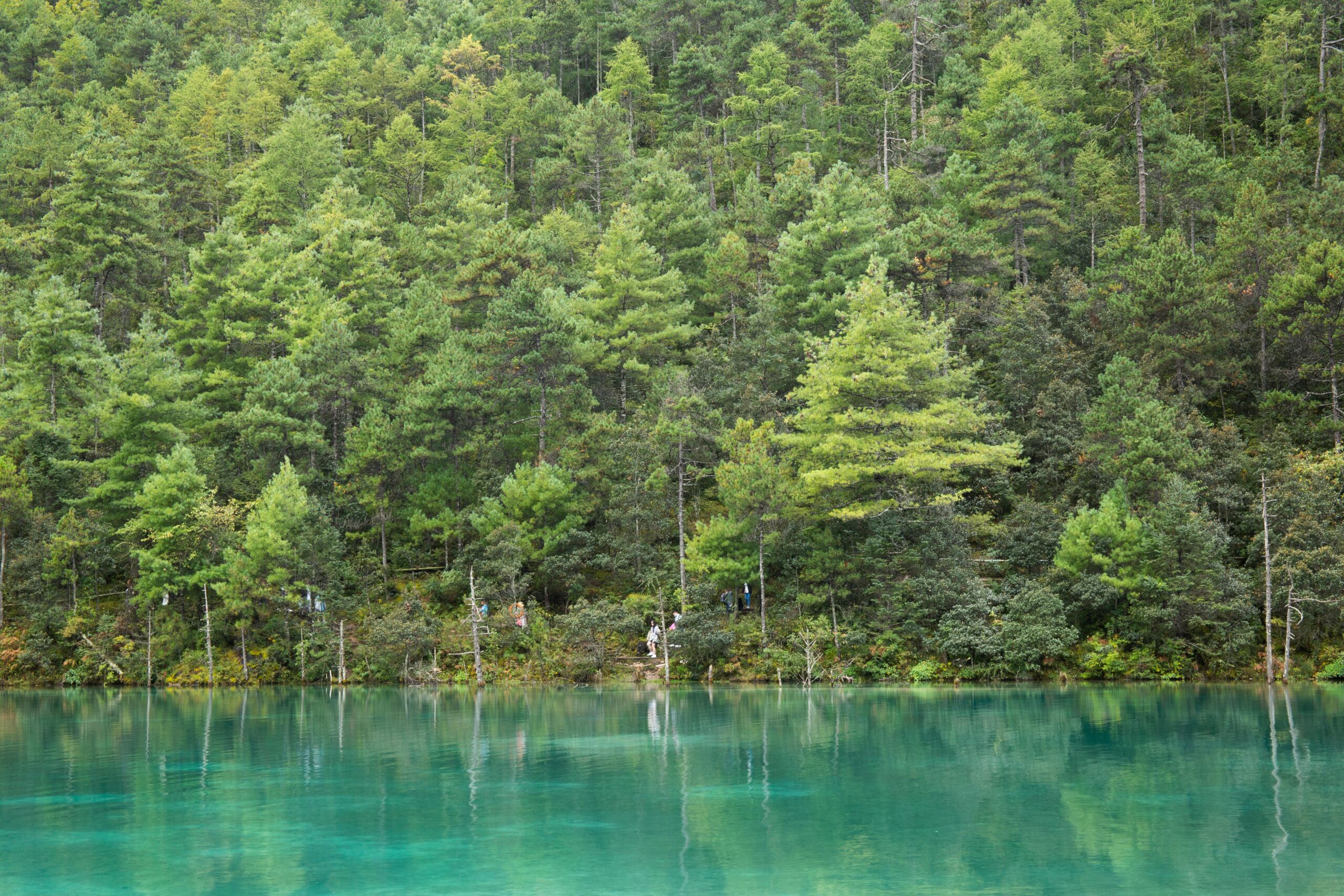
Pine, spruce, fir, and other conifers often form the backbone of temperate ecosystem kits, particularly in regions with harsh winters. These evergreen species provide year-round structure, wildlife shelter, and visual continuity. However, successful temperate ecosystems rarely consist of monocultures. Mixing conifers with deciduous species like oak, maple, birch, and beech creates resilient, diverse communities.
Hardwood species contribute to nutrient cycling through annual leaf drop, enriching soils and supporting decomposer communities. Their seasonal leaf loss also allows spring wildflowers to thrive in the temporary sunlight before the canopy closes, adding another dimension of biodiversity.
Successional Planning in Temperate Zones
Temperate forests undergo predictable successional changes. Early successional species like aspen, alder, and birch colonize disturbed sites quickly, improving soil conditions and providing nurse-tree effects for later-successional species. Ecosystem kits should embrace this natural progression rather than fighting against it.
A thoughtfully designed kit includes fast-growing early-successional species (30-40% of total), mid-successional trees and shrubs (40-50%), and late-successional species (10-20%) that will eventually dominate. This staged approach mimics natural forest development and increases establishment success rates.
Seasonal Food Sources and Wildlife Corridors
Temperate wildlife faces the challenge of seasonal resource availability. Ecosystem kits must provide spring flowers for emerging pollinators, summer fruits for breeding birds, autumn mast crops for animals preparing for winter, and winter shelter and food for resident species.
Berry-producing shrubs like serviceberry, elderberry, and hawthorn support birds and mammals. Nut-bearing trees such as oak, hickory, and beech sustain wildlife through lean winter months. Including at least 25% of species selected specifically for wildlife value throughout all seasons ensures ecosystem vitality.
💧 Water Management Strategies Across Climate Zones
Water availability dramatically shapes ecosystem function, and approaches differ markedly between tropical and temperate environments.
Tropical Hydrology Considerations
Tropical regions typically receive abundant rainfall, but distribution can be uneven. Seasonal dry periods affect even rainforest ecosystems. Successful kits incorporate species with varied water requirements, ensuring some plants can access deep water reserves during dry spells while others maximize use of surface moisture during wet periods.
Epiphytes—plants that grow on other plants without parasitizing them—play unique hydrological roles in tropical systems. Orchids, bromeliads, and ferns capture and store water in the canopy, creating aerial wetlands that support diverse communities of frogs, insects, and microorganisms. Including epiphyte starter cultures in tropical kits enhances structural complexity.
Temperate Water Conservation
Temperate ecosystems must manage water across dramatically different seasonal conditions. Spring snowmelt and rainfall can saturate soils, while summer droughts stress vegetation. Winter freezing creates additional challenges as water becomes temporarily unavailable despite physical presence.
Species selection should reflect these patterns. Wetland edge species like willow and alder tolerate saturated spring soils and help stabilize stream banks. Drought-tolerant species like pine and oak survive summer dry periods. Deep-rooted plants access groundwater while shallow-rooted species capitalize on surface moisture.
🌱 Soil Science: Foundation of Thriving Ecosystems
Soil represents the foundation upon which all terrestrial ecosystems build. Understanding soil differences between tropical and temperate regions proves essential for kit design success.
Tropical Soil Challenges
Contrary to popular assumption, tropical soils are often nutrient-poor despite supporting lush vegetation. Heavy rainfall leaches nutrients rapidly, and the warm, humid conditions accelerate decomposition, leaving little organic matter accumulation. The apparent fertility exists in the biomass, not the soil.
Tropical ecosystem kits must include nitrogen-fixing species like Inga, Erythrina, and various leguminous trees that capture atmospheric nitrogen and make it available to other plants. Mycorrhizal fungi inoculants help plants access limited soil nutrients more efficiently. Mulching materials protect soil from erosion and nutrient loss while gradually building organic matter content.
Temperate Soil Building
Temperate soils generally retain nutrients better than tropical counterparts, though they start with lower biological activity. Cooler temperatures slow decomposition, allowing organic matter accumulation. However, degraded temperate sites may have compacted, nutrient-depleted soils requiring amendment.
Successful temperate kits include compost or aged manure to jumpstart soil biology, along with nitrogen-fixing species like alder, locust, and clover. Cover crops planted before tree establishment can improve soil structure and add organic matter. Mycorrhizal inoculation proves equally important in temperate zones, connecting plant roots to extensive fungal networks that enhance nutrient and water uptake.
🦋 Pollinator Support Across Ecosystems
Pollinators drive ecosystem productivity and resilience. Designing kits that support diverse pollinator communities ensures reproductive success for countless plant species and maintains food webs.
Tropical ecosystems support specialized pollination relationships. Many tropical plants rely on specific bat, bird, moth, or bee species for pollination. Kits should include night-blooming flowers for bats and moths, tubular flowers for hummingbirds and sunbirds, and diverse flowering plants for varied bee species.
Temperate pollinators face seasonal bottlenecks when food becomes scarce. Early spring flowers like willow catkins support emerging bees when few other resources exist. Summer provides peak flowering, but late-season bloomers like goldenrod and asters help pollinators build reserves before winter. A well-designed temperate kit ensures continuous blooms from early spring through late autumn.
📊 Comparing Kit Components: A Practical Framework
| Component | Tropical Kit | Temperate Kit |
|---|---|---|
| Primary Trees | 60% pioneers, 40% climax species | 35% early, 45% mid, 20% late succession |
| Nitrogen Fixers | 15-20% of total species | 10-15% of total species |
| Wildlife Food Plants | 20% fruit-bearing species | 25% nut and berry species |
| Soil Amendments | Mycorrhizal fungi, minimal fertilizer | Compost, mycorrhizae, organic matter |
| Planting Density | 1,500-2,500 trees/hectare | 1,000-1,500 trees/hectare |
| Maintenance Period | 2-3 years intensive care | 3-5 years with seasonal attention |
🔧 Implementation Strategies for Maximum Success
Having the right components represents only half the equation. Implementation timing, techniques, and follow-up care determine whether ecosystem kits succeed or fail.
Optimal Planting Windows
In tropical regions, planting should coincide with the onset of rainy seasons, giving young plants several months of reliable moisture to establish roots before facing dry periods. Avoid planting during peak dry season or immediately before heavy rains that might wash away seedlings.
Temperate planting windows typically occur in spring after frost danger passes or in autumn before ground freezes. Fall planting allows root establishment during cool weather before winter dormancy, positioning plants for vigorous spring growth. Spring planting works well for species sensitive to winter damage.
Site Preparation Essentials
Both tropical and temperate sites benefit from invasive species removal before planting. Aggressive grasses, vines, or shrubs compete intensely with establishing native species. Mechanical removal, careful herbicide application, or smothering with mulch can clear planting areas without degrading soil.
Soil testing reveals pH imbalances and nutrient deficiencies requiring correction. Tropical sites may need lime to raise pH in acidic soils, while temperate sites might require sulfur to lower pH for acid-loving species. Adding appropriate amendments before planting saves time and improves outcomes.
Post-Planting Care Protocols
The first two years prove critical for establishment. Tropical plantings require weed suppression as fast-growing species quickly overtake slower native plants. Mulching around seedlings suppresses weeds while conserving moisture. Supplemental watering may be necessary during unexpected dry spells.
Temperate plantings need protection from deer, rabbits, and other herbivores that browse young trees. Tree shelters, fencing, or repellents prevent damage. Winter mulching protects roots from frost heaving in the first year. Watering during establishment summers ensures survival through drought stress.
🌐 Scaling Up: From Backyard to Landscape Level
Ecosystem restoration happens at multiple scales, from small urban green spaces to vast wilderness areas. Kit design must adapt to project scope while maintaining ecological principles.
Small-scale projects allow experimentation and learning. Homeowners can establish mini-ecosystems incorporating appropriate species for their climate zone. These spaces provide wildlife habitat, educational opportunities, and aesthetic value while demonstrating restoration principles.
Landscape-scale projects require coordination, funding, and community involvement. Successful large-scale implementations often use zoning approaches, establishing core areas with full ecosystem kits surrounded by buffer zones with simplified plant communities. This strategy concentrates resources where they have maximum impact while extending benefits across larger areas.
Connectivity between restored areas amplifies benefits. Wildlife corridors linking forest patches allow species movement, genetic exchange, and recolonization of restored sites. When planning ecosystem kit deployment, considering how individual sites connect to broader landscape networks enhances long-term viability.
🎯 Monitoring Progress and Adapting Approaches
Ecosystem development unfolds over years and decades. Establishing monitoring protocols tracks progress, identifies problems early, and informs adaptive management.
Simple metrics include survival rates, growth measurements, and species diversity counts. Photographing fixed points annually creates visual records of change. More sophisticated monitoring might track wildlife usage, soil improvement, water quality, or carbon sequestration.
Unexpected challenges will arise—pest outbreaks, disease, drought, flooding, or invasive species incursions. Successful projects build flexibility into plans, maintaining seed stocks of key species, preserving financial reserves for interventions, and cultivating expertise to respond effectively.
🌟 The Living Legacy of Well-Designed Ecosystem Kits
Creating thriving ecosystems through thoughtful kit design represents investment in the future. These living systems will continue developing, growing more complex and resilient over time, long after initial plantings.
The palm trees of tropical regions and pine trees of temperate zones symbolize vastly different environments, yet both ecosystems share fundamental requirements: appropriate species selection, attention to ecological relationships, proper site preparation, and committed follow-through care. By understanding these principles and applying them through well-designed ecosystem kits, we can restore degraded landscapes, enhance biodiversity, and create resilient natural systems that benefit both wildlife and human communities for generations to come.
Whether you’re working in steamy rainforests or snowy coniferous woodlands, success begins with respect for ecological complexity and commitment to working with natural processes rather than against them. The journey from concept to thriving ecosystem demands patience, but the rewards—in biodiversity, ecosystem services, and natural beauty—make every effort worthwhile.