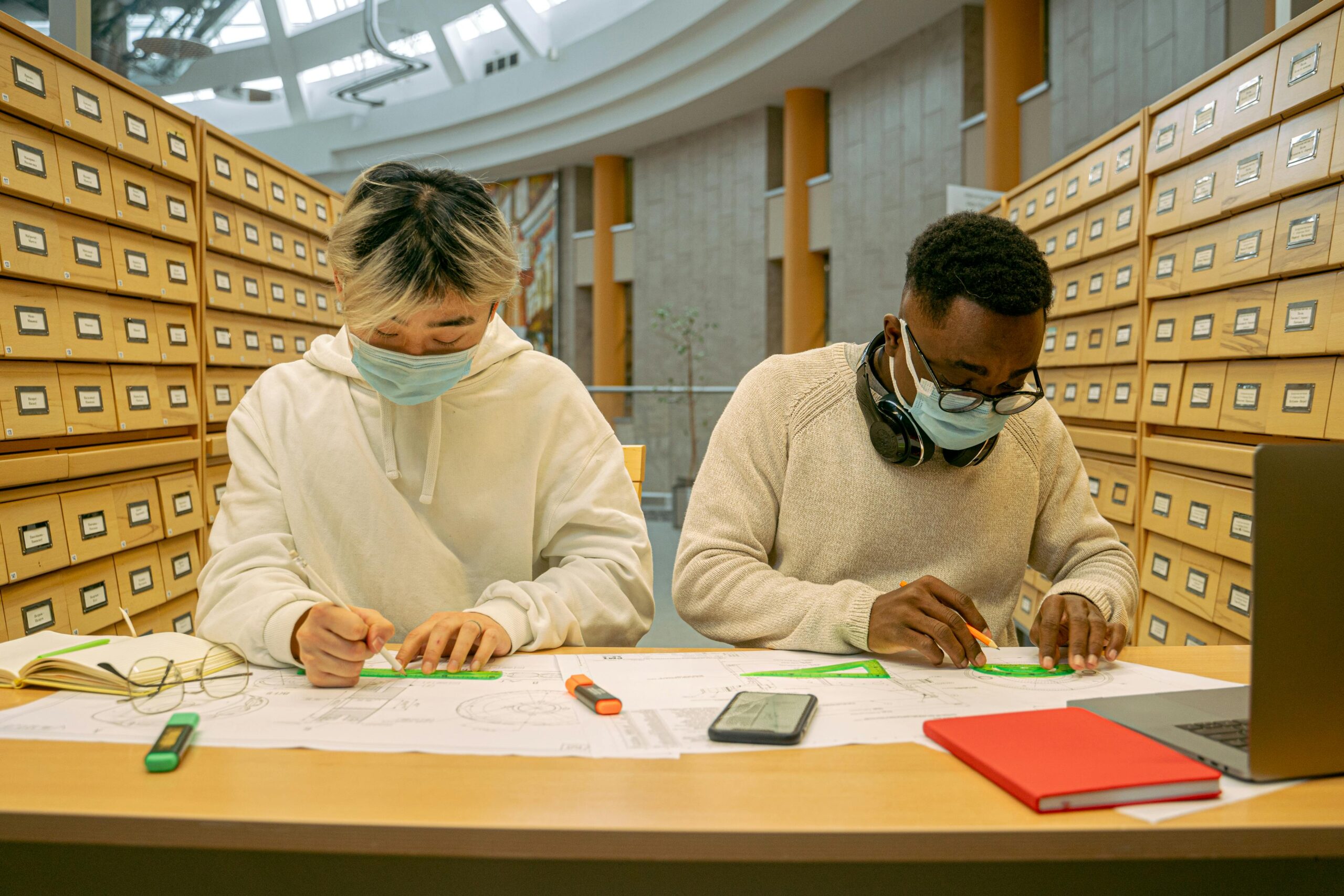
Preserving cherished memories and valuable artifacts has evolved dramatically with modern technology, offering innovative solutions that help safeguard our most treasured possessions for future generations.

🏛️ The Evolution of Preservation: From Ancient Techniques to Modern Innovation
Throughout human history, the desire to preserve meaningful objects has driven innovation across civilizations. Ancient Egyptians mastered mummification, medieval monks protected manuscripts in climate-controlled scriptoriums, and Victorian collectors developed early conservation methods. Today, we stand at the intersection of tradition and technology, where cutting-edge preservation kits combine time-tested principles with scientific advancement.
The preservation industry has experienced remarkable growth in recent years, driven by increased awareness of cultural heritage protection and personal archiving needs. Modern preservation methods address challenges our ancestors never imagined: digital decay, environmental pollutants, and the degradation caused by mass-produced materials in contemporary items.
Understanding What Makes Modern Preservation Kits Revolutionary
Contemporary preservation kits represent a quantum leap from traditional storage methods. These sophisticated systems integrate multiple protective layers, each designed to combat specific deterioration factors. Unlike simple storage boxes of the past, today’s kits employ advanced materials science, environmental monitoring, and targeted conservation strategies.
The key distinction lies in their comprehensive approach. Modern kits don’t just protect against obvious threats like moisture or physical damage—they address chemical reactions, light exposure, atmospheric pollutants, and biological threats simultaneously. This holistic methodology ensures artifacts remain as close to their original condition as scientifically possible.
Materials Science: The Foundation of Contemporary Preservation
At the heart of modern preservation kits are materials engineered specifically for archival purposes. Acid-free papers, lignin-free boards, and chemically inert plastics form the foundation of protection systems. These materials undergo rigorous testing according to international standards like ISO 18916 and the Photographic Activity Test (PAT).
Microcrystalline waxes, silica gel packets with color indicators, and oxygen absorbers represent the next generation of preservation technology. These components actively manage the microenvironment around artifacts, creating stable conditions that slow deterioration to near-imperceptible rates.
📸 Specialized Kits for Different Treasure Categories
Recognition that different materials require unique preservation approaches has led to the development of specialized kits tailored to specific artifact types. This customization ensures optimal protection while acknowledging the diverse chemical and physical properties of various treasures.
Photographic Memory Preservation Systems
Photographs present unique preservation challenges due to their complex chemical composition and sensitivity to environmental factors. Modern photo preservation kits address these concerns through multiple protective mechanisms:
- Archival-quality sleeves made from polyester, polypropylene, or polyethylene that prevent chemical migration
- Buffered storage boxes that neutralize acidic atmospheric pollutants
- Interleaving papers that prevent adhesion between stacked photographs
- UV-filtering display options that allow viewing while minimizing light damage
- Climate monitoring cards that alert users to dangerous humidity levels
These systems recognize that different photographic processes—from daguerreotypes to instant film—require tailored approaches. Color photographs demand especially careful protection against fading, while black-and-white images need shielding from oxidation and silver mirroring.
Textile and Fabric Conservation Kits
Preserving textiles—whether family quilts, vintage clothing, or ceremonial fabrics—requires addressing their organic nature and vulnerability to pests, light, and mechanical stress. Contemporary textile preservation kits include acid-free tissue paper for padding folds, breathable cotton storage bags, and cedar alternatives that repel insects without chemical damage.
Particularly innovative are rolled storage systems for large textiles, which eliminate creasing entirely. These kits often include archival-quality tubes, cotton muslin wrapping, and labeling systems that prevent unnecessary handling.
Document and Paper Artifact Protection
Letters, certificates, artwork, and historical documents face threats from acidic paper composition, ink degradation, and environmental factors. Modern document preservation kits feature:
- Archival folders with alkaline reserves that neutralize acids migrating from the documents themselves
- Clear polyester encapsulation supplies for frequently handled items
- Flat storage boxes designed to prevent warping and curling
- Deacidification sprays that extend paper lifespan significantly
🔬 Advanced Technologies Integrated into Modern Kits
The most sophisticated preservation kits incorporate technologies that would have seemed like science fiction just decades ago. These innovations provide unprecedented control over storage environments and early warning systems for deterioration.
Environmental Monitoring and Smart Sensors
Digital hygrometers and thermometers with data logging capabilities now come standard in premium preservation kits. These devices track environmental conditions over time, identifying patterns that might threaten artifacts. Some advanced systems connect to smartphone applications, sending alerts when conditions deviate from optimal ranges.
Humidity indicator cards provide visual confirmation of storage conditions at a glance, changing color when moisture levels become problematic. This simple technology offers peace of mind without requiring constant electronic monitoring.
Molecular Filtration Systems
Activated carbon filters and molecular sieves represent cutting-edge protection against gaseous pollutants. These materials trap volatile organic compounds, sulfur dioxide, nitrogen oxides, and other atmospheric contaminants that cause gradual degradation. Some premium kits include specialized filters designed for specific threats based on geographic location or storage environment.
The Science Behind Optimal Storage Conditions
Understanding the environmental parameters that slow deterioration allows preservation kits to create ideal microclimates for different artifact types. Research has established specific ranges for temperature, humidity, and light exposure that minimize degradation rates.
Temperature and Humidity: The Critical Balance
Most organic materials thrive in cool, stable environments. The preservation standard typically recommends temperatures between 60-70°F (15-21°C) with relative humidity between 30-50%. However, different materials have varying optimal ranges:
| Material Type | Optimal Temperature | Optimal Humidity |
|---|---|---|
| Color Photographs | Below 75°F (24°C) | 30-40% RH |
| Paper Documents | 65-70°F (18-21°C) | 35-45% RH |
| Textiles | 65-70°F (18-21°C) | 45-55% RH |
| Metal Objects | Room Temperature | Below 35% RH |
Modern preservation kits include materials that buffer against fluctuations, creating stable microclimates even when external conditions vary. Silica gel packets in appropriate quantities absorb or release moisture to maintain equilibrium, while insulated storage containers moderate temperature changes.
✨ DIY Preservation Versus Professional-Grade Kits
The market offers preservation solutions ranging from budget-friendly DIY options to museum-quality professional systems. Understanding the differences helps individuals make informed decisions based on their artifacts’ value, condition, and long-term preservation goals.
When DIY Preservation Kits Suffice
For many household treasures, commercially available preservation kits provide excellent protection at reasonable prices. Recent family photographs, wedding memorabilia, children’s artwork, and similar items benefit significantly from basic archival storage. These kits typically include acid-free boxes, archival sleeves, and basic environmental controls.
The key advantage of DIY kits lies in their accessibility and ease of use. They democratize preservation science, allowing anyone to implement professional principles without specialized training. Many manufacturers provide detailed instructions explaining proper handling, storage arrangement, and ongoing maintenance.
Recognizing When Professional Intervention Is Necessary
Certain situations demand professional-grade preservation solutions or expert consultation. Items showing active deterioration, rare artifacts, objects with significant monetary or historical value, and irreplaceable family heirlooms often warrant professional assessment.
Professional preservation kits incorporate materials tested to stricter standards and often include custom-fabricated components designed for specific artifacts. Conservators can assess individual needs and recommend tailored solutions that address unique challenges.
🌍 Sustainable Preservation: Environmental Considerations
The preservation community increasingly recognizes the importance of environmental sustainability in conservation practices. Modern kits balance effective protection with ecological responsibility, seeking solutions that safeguard both cultural heritage and natural resources.
Eco-Friendly Materials in Contemporary Kits
Manufacturers now source materials from sustainable forestry operations, utilize recyclable plastics, and develop biodegradable alternatives to traditional preservation supplies. Corrugated archival boxes made from recycled content, for example, provide excellent protection while reducing environmental impact.
Some innovative companies have developed plant-based plastics with archival properties suitable for preservation applications. These materials decompose under appropriate conditions while maintaining stability in controlled storage environments, offering an elegant solution to the plastics dilemma.
Digital Preservation: Complementing Physical Conservation
While physical preservation remains essential, digital duplication provides insurance against catastrophic loss and enables wider access to treasured items. Modern preservation strategies increasingly incorporate digital components alongside traditional physical protection.
High-Resolution Scanning and Photography
Contemporary preservation kits sometimes include guides for creating high-quality digital copies of photographs, documents, and artwork. Professional-grade flatbed scanners capable of capturing minute details at 600 dpi or higher create digital surrogates that preserve visual information even if originals deteriorate.
Proper digital preservation requires attention to file formats, storage media longevity, and backup strategies. TIFF files for archival masters, multiple storage locations, and regular migration to new media formats ensure digital copies remain accessible as technology evolves.
🛡️ Handling and Access: Balancing Preservation with Enjoyment
Effective preservation shouldn’t mean locking treasures away forever. Modern kits increasingly incorporate solutions that allow safe access and display while maintaining protective standards.
Safe Display Options
UV-filtering frames, museum-quality glass, and archival mounting materials enable the display of valued items without accelerating deterioration. Removable mounting systems allow periodic rotation, limiting exposure time while enabling enjoyment of collections.
For photographs and documents, high-quality reproductions for regular display allow originals to remain safely stored. Digital printing technologies now produce exhibition copies nearly indistinguishable from originals, preserving both appearance and accessibility.
Building Your Preservation Strategy: Step-by-Step Guidance
Implementing effective preservation requires systematic assessment and planning. A structured approach ensures comprehensive protection while managing time and budget constraints.
Assessment and Prioritization
Begin by inventorying items requiring preservation, noting their condition, materials, and significance. Prioritize based on vulnerability, value, and deterioration urgency. Items showing active damage or made from inherently unstable materials require immediate attention.
Photograph items before preservation to document their condition. This creates a baseline for monitoring future changes and provides valuable documentation should insurance claims or conservation interventions become necessary.
Selecting Appropriate Preservation Kits
Match kit specifications to artifact needs. Consider material composition, size, quantity of items, and storage environment when choosing products. Reputable suppliers provide detailed product specifications and often offer guidance for appropriate selection.
Read reviews from other users and seek recommendations from preservation professionals or archival institutions. Many libraries, historical societies, and museums maintain resource lists of trusted preservation suppliers.
Implementation and Ongoing Maintenance
Follow manufacturer instructions carefully during implementation. Proper techniques for handling artifacts, loading storage containers, and arranging items within preservation enclosures significantly impact long-term outcomes.
Establish a maintenance schedule for checking environmental conditions, inspecting artifacts for changes, and replacing consumable components like silica gel. Regular monitoring catches problems early when intervention remains simple and inexpensive.
💡 Future Directions in Preservation Technology
The preservation field continues evolving rapidly, with emerging technologies promising even more effective protection for treasured items. Understanding these developments helps individuals make forward-looking decisions about preservation investments.
Nanotechnology Applications
Researchers are developing nanoparticle coatings that provide molecular-level protection against deterioration. These ultra-thin barriers block moisture and pollutants while remaining invisible and reversible, meeting strict conservation ethics standards.
Artificial Intelligence and Condition Monitoring
Machine learning algorithms trained on vast databases of artifact deterioration patterns may soon predict preservation needs before visible changes occur. Smart storage systems could automatically adjust conditions based on real-time analysis of sensor data.
Investing in Permanence: The Value Proposition of Quality Preservation
Quality preservation represents an investment in family legacy, cultural continuity, and personal heritage. While premium kits require greater initial expenditure, their superior protection delivers long-term value by preventing deterioration that would require expensive restoration or result in irreversible loss.
Consider the irreplaceable nature of many treasured items—family photographs documenting ancestors, handwritten letters from departed loved ones, textiles connecting us to cultural traditions. The modest cost of proper preservation pales against the immeasurable value of these connections to past and identity.
Modern preservation kits democratize conservation science, placing museum-quality protection within reach of anyone committed to safeguarding meaningful possessions. By implementing proper preservation techniques today, we ensure that tomorrow’s generations inherit intact the tangible links to their heritage and history.
The convergence of traditional conservation principles with contemporary materials science and digital technology creates unprecedented opportunities for protecting our most cherished treasures. Whether preserving family photographs, historical documents, textile heirlooms, or other valued artifacts, modern preservation kits offer accessible, effective solutions grounded in rigorous research and practical experience. Taking action today to implement proper preservation ensures these timeless treasures remain vibrant connections to the past for generations yet to come.