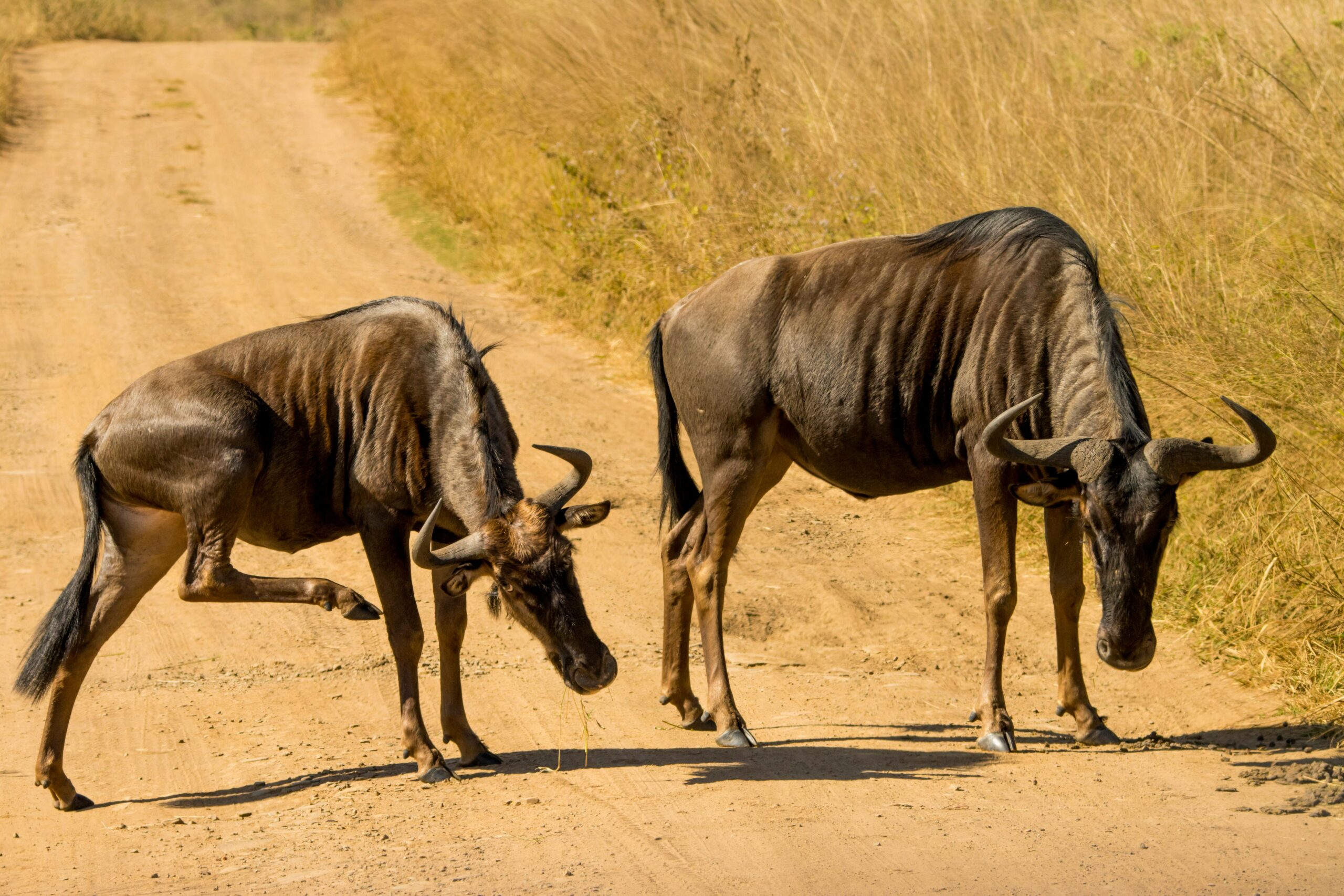
Designing safe wildlife corridors requires understanding seasonal animal behavior, migration patterns, and environmental changes to protect both wildlife and human travelers year-round.

🦌 Understanding the Intersection of Wildlife and Human Infrastructure
The relationship between wildlife movement and human transportation networks has become increasingly complex as urban development expands into natural habitats. Every year, millions of animals are affected by roadways, railways, and other infrastructure that fragment their natural territories. Creating animal-safe routes isn’t merely an environmental concern—it’s a critical component of sustainable development that benefits ecosystems, reduces property damage, and saves human lives.
Wildlife-vehicle collisions cost billions of dollars annually in vehicle damage, medical expenses, and lost wildlife. Beyond economic impacts, these incidents disrupt ecological balance and threaten endangered species populations. Seasonal variations dramatically influence when and where these conflicts occur, making temporal awareness essential for effective route design.
🍂 Seasonal Migration Patterns and Their Impact on Route Planning
Different seasons trigger distinct animal behaviors that transportation planners must anticipate. Spring typically brings breeding migrations, summer sees increased juvenile dispersal, autumn involves preparation movements for winter, and winter forces animals into survival mode with altered ranging patterns.
Spring: The Season of Movement and Reproduction
Spring represents one of the most active periods for wildlife movement. Amphibians emerge from hibernation and travel to breeding ponds, often crossing roads in massive numbers during rainy nights. Large mammals like deer and elk move to traditional calving grounds, while birds return from southern wintering areas to nesting territories.
Route designs must account for these predictable spring movements. Amphibian tunnels with drift fencing guide salamanders, frogs, and toads safely under roadways. Larger underpasses accommodate ungulates traveling to birthing areas. Timing construction activities to avoid peak migration periods minimizes disturbance and maintains established movement corridors.
Summer Dispersal: Young Animals on the Move
Summer introduces a different challenge as juvenile animals disperse from natal territories to establish their own ranges. Young bears, cougars, wolves, and other mammals travel extensively, often lacking the learned caution of adults. This inexperience makes them particularly vulnerable to vehicle collisions.
Highway lighting strategies become crucial during summer months when extended daylight encourages both human and animal activity during twilight hours. Reduced lighting in sensitive areas decreases attraction for insects, which subsequently reduces predator presence near roadways. Strategic placement of wildlife warning signs alerts drivers during peak dispersal periods.
Autumn: Preparation and Pre-Winter Migration
Autumn brings dramatic increases in wildlife-vehicle collisions, particularly involving deer during the breeding season known as the rut. Males become less cautious, traveling widely to find mates, while females move to avoid harassment. This combination creates dangerous conditions on roadways throughout fall months.
Migratory species also pass through during autumn, including caribou, elk, and numerous bird species. Route planning must accommodate these large-scale movements through strategic placement of crossing structures and temporary traffic management measures during peak migration windows.
Winter: Survival Strategies and Concentrated Movements
Winter forces wildlife into survival mode, concentrating animals in areas with accessible food and shelter. Deer yard in traditional wintering areas, elk move to lower elevations, and predators follow prey concentrations. Roads that bisect these winter ranges become collision hotspots.
Snow accumulation influences where animals can travel, often pushing them onto plowed roadways where movement is easier. Route designers must consider winter-specific crossing locations and ensure structures remain accessible when snow levels are high. Elevated crossings prevent snow blockage while maintaining functionality throughout harsh weather.
🛣️ Infrastructure Design Elements for Animal Safety
Effective animal-safe routes incorporate multiple design elements that work synergistically to reduce wildlife-vehicle conflicts while maintaining habitat connectivity. These features range from small-scale modifications to major structural installations.
Wildlife Crossing Structures: Bridges and Underpasses
Dedicated wildlife crossing structures represent the gold standard in animal-safe infrastructure. Overpasses vegetated with native plants provide safe passage for species ranging from small mammals to large ungulates. These structures maintain habitat continuity and reduce genetic isolation of wildlife populations.
Underpasses serve different species depending on their design specifications. Large box culverts accommodate medium-sized mammals, while expansive underpasses with natural substrate support deer, elk, and even bear passage. Designing appropriate dimensions based on target species ensures utilization—animals won’t use structures that feel like traps or that don’t provide clear sight lines.
Fencing: Guiding Wildlife to Safe Passages
Wildlife fencing directs animals away from dangerous road sections toward safe crossing structures. Effective fencing extends far enough from roads to funnel wildlife to designated crossings without creating new barrier effects. Fence design varies by target species—what contains deer won’t necessarily exclude smaller mammals.
Jump-outs provide escape routes for animals that breach fencing onto roadways. These one-way gates allow trapped animals to exit the road corridor while preventing entry from outside. Strategic placement every quarter to half mile ensures animals don’t travel extended distances within fenced road sections.
Advanced Warning Systems for Drivers
Technology-enhanced warning systems detect animal presence and alert drivers in real-time. Motion-activated signs flash warnings when animals approach roadways, giving drivers critical seconds to reduce speed. These systems prove particularly valuable in high-collision areas where permanent crossing structures aren’t feasible.
Some advanced systems integrate animal detection with vehicle-to-infrastructure communication, sending alerts directly to connected vehicles. While still emerging, these technologies represent the future of dynamic wildlife-vehicle conflict management.
📊 Data-Driven Approaches to Route Optimization
Modern wildlife corridor design relies heavily on data collection and analysis to identify priority areas and measure effectiveness. Multiple data sources inform evidence-based decision-making throughout the planning and implementation process.
Collision Data Analysis
Historical collision records reveal temporal and spatial patterns essential for targeting interventions. Analysis of when and where collisions occur identifies seasonal hotspots requiring specific mitigation measures. Long-term data sets show whether implemented measures successfully reduce incidents over time.
Many transportation agencies now maintain detailed wildlife collision databases including species, location, date, time, and environmental conditions. This granular information enables sophisticated modeling that predicts collision risk under various scenarios and informs adaptive management strategies.
Wildlife Movement Monitoring Technologies
GPS collar data from tracked animals provides unprecedented insights into movement patterns, habitat use, and crossing behaviors. This information identifies critical corridors, preferred crossing locations, and seasonal variations in space use. Camera traps deployed at strategic locations document which species use particular areas and how they respond to infrastructure.
Genetic analysis reveals whether roads fragment populations by comparing genetic diversity across divided areas. Successful crossing structures restore gene flow between isolated populations, measurable through ongoing genetic monitoring programs.
🌍 Regional Considerations and Ecosystem-Specific Challenges
Different ecosystems present unique challenges for animal-safe route design. Approaches that work in temperate forests may prove ineffective in deserts, grasslands, or tropical environments. Understanding regional ecology ensures appropriate, context-sensitive solutions.
Mountain and Alpine Environments
Mountain highways traverse elevation gradients that different species use seasonally. Ungulates migrate between summer alpine meadows and winter valley ranges, crossing roads multiple times annually. Steep terrain limits where crossing structures can be built, requiring creative engineering solutions.
Avalanche zones, rockfall areas, and extreme weather conditions complicate infrastructure maintenance. Crossing structures must withstand harsh alpine conditions while remaining functional during heavy snow periods. Elevated structures prevent snow blockage while accommodating natural avalanche paths.
Desert and Arid Landscapes
Desert wildlife faces unique challenges where roads interrupt access to limited water sources. During hot months, animals concentrate near remaining water, often necessitating road crossings. Route design must maintain connectivity to these critical resources.
Many desert species are nocturnal, creating collision risks during low-visibility hours. Fencing proves challenging in sandy soils requiring specialized installation techniques. Wash crossings must accommodate both wildlife passage and flash flood events characteristic of arid environments.
Forest and Wetland Corridors
Forested regions support high wildlife diversity requiring multi-species solutions. Canopy bridges serve arboreal mammals while ground-level passages accommodate terrestrial species. Maintaining forest cover at crossing approaches encourages utilization by species that avoid open areas.
Wetland crossings require structures that maintain hydrological connectivity while providing safe passage for amphibians, reptiles, and semi-aquatic mammals. Culvert designs must allow water flow during flood events while remaining accessible to wildlife during normal conditions.
🤝 Collaboration Between Stakeholders for Successful Implementation
Creating effective animal-safe routes requires coordination among transportation agencies, wildlife managers, researchers, private landowners, and community members. Successful projects emerge from collaborative processes that integrate diverse perspectives and expertise.
Engaging Local Communities
Community support proves essential for project success and long-term maintenance. Local residents often possess valuable knowledge about wildlife movements and collision patterns. Public meetings, citizen science programs, and educational initiatives build awareness and foster stewardship.
Volunteer programs that document wildlife using crossing structures create public investment in project outcomes. When communities see concrete results from implemented measures, support for additional wildlife-friendly infrastructure increases.
Integrating Wildlife Considerations into Transportation Planning
Rather than treating wildlife safety as an afterthought, progressive transportation agencies integrate ecological considerations from project inception. Environmental impact assessments identify potential conflicts early when design modifications remain cost-effective.
Wildlife linkage analyses inform route selection, helping planners avoid critical corridors or incorporate appropriate mitigation measures. This proactive approach costs less than retrofitting existing infrastructure while delivering superior ecological outcomes.
💡 Innovative Solutions and Emerging Technologies
As understanding of wildlife-infrastructure interactions advances, innovative solutions continue emerging. These cutting-edge approaches promise enhanced safety and connectivity while addressing limitations of conventional methods.
Smart Infrastructure and AI Integration
Artificial intelligence analyzes camera trap data in real-time, identifying patterns invisible to human observers. Machine learning algorithms predict when and where animals will cross based on weather, season, and historical patterns, enabling dynamic warning systems that activate precisely when needed.
Thermal imaging cameras detect animals in low-visibility conditions, triggering warnings before drivers can see wildlife. These systems reduce false alarms compared to simpler motion detectors, maintaining driver attention and credibility.
Green Infrastructure Approaches
Landscape-scale conservation planning integrates wildlife corridors with other green infrastructure serving multiple ecosystem services. Corridors that facilitate animal movement also provide water quality benefits, flood mitigation, and recreational opportunities, building broader support for implementation.
Nature-based solutions prove more resilient and cost-effective over time compared to purely engineered approaches. Native vegetation at crossing structures provides food and cover while reducing maintenance requirements. Natural drainage systems within corridors manage stormwater while maintaining habitat functionality.
🔍 Measuring Success and Adaptive Management
Effective wildlife corridor design embraces adaptive management principles, recognizing that initial implementations may require refinement. Ongoing monitoring assesses whether structures meet objectives and identifies necessary modifications.
Key Performance Indicators
Success metrics include reduced collision rates, documented wildlife use of crossing structures, maintained or improved genetic connectivity, and positive population trends for target species. Comprehensive monitoring programs track these indicators over years and decades, as ecological responses unfold gradually.
Cost-benefit analyses demonstrate that investments in wildlife-safe infrastructure generate returns through reduced collision costs, avoided injuries and fatalities, and maintained ecosystem services. These economic arguments complement ecological justifications, building support among budget-conscious decision-makers.
Learning from Global Examples
Countries worldwide have implemented wildlife corridor systems offering valuable lessons. The Netherlands has extensive ecoduct networks, Canada’s Banff National Park pioneered research on crossing structure effectiveness, and Kenya maintains elephant corridors connecting protected areas.
Studying international examples prevents repeating mistakes while adapting proven approaches to local contexts. Global knowledge-sharing accelerates innovation and improves outcomes for both people and wildlife.
🌟 Looking Ahead: The Future of Wildlife-Friendly Transportation
As climate change alters species distributions and human populations continue growing, the need for wildlife-safe infrastructure will only intensify. Future transportation systems must incorporate ecological considerations as fundamental design requirements rather than optional enhancements.
Emerging autonomous vehicle technology presents both opportunities and challenges. Self-driving cars could communicate with wildlife detection systems, automatically reducing speed in high-risk areas. However, increased road capacity might encourage development in previously remote areas, creating new conflicts.
Climate adaptation strategies must account for shifting wildlife ranges and altered seasonal patterns. Crossing structures designed for current conditions may not serve future wildlife communities as species distributions respond to changing climates. Flexible, adaptable designs that accommodate uncertainty will prove most resilient.
The integration of wildlife corridors into broader landscape connectivity planning represents the most promising path forward. Rather than isolated mitigation projects, successful approaches view transportation infrastructure as one component within interconnected ecological networks. When roads are designed to complement rather than sever natural systems, both human mobility and wildlife survival benefit.
Ultimately, designing animal-safe routes while navigating seasonal constraints requires commitment to long-term ecological thinking. Initial investments pay dividends for generations through safer roads, healthier ecosystems, and maintained connections between wildlife populations. As we continue developing transportation networks, incorporating these principles ensures we build infrastructure that serves all inhabitants of our shared landscapes—human and animal alike.