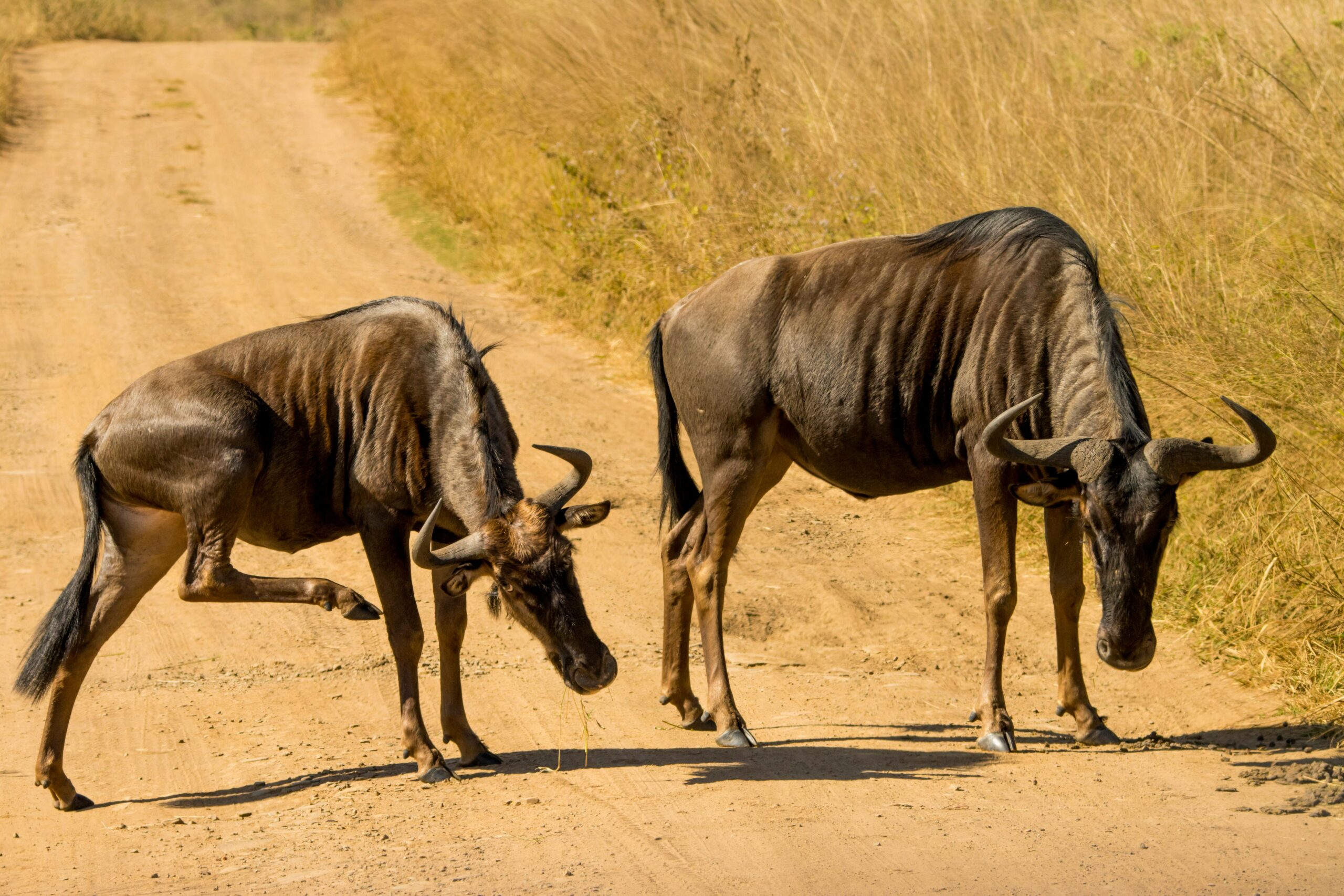
In an age of digital navigation, habitat maps have emerged as powerful tools that transform how we explore, travel, and interact with our natural and urban environments safely and strategically.

🗺️ The Evolution of Habitat Mapping in Modern Travel
Habitat maps represent far more than simple geographical representations. They are comprehensive digital ecosystems that combine topographical data, ecological information, infrastructure details, and real-time updates to provide travelers with unprecedented awareness of their surroundings. Unlike traditional maps that merely show roads and landmarks, habitat maps integrate environmental conditions, wildlife patterns, terrain characteristics, and human activity zones to create multidimensional navigation experiences.
The technology behind these sophisticated mapping systems has evolved dramatically over the past decade. Satellite imagery, GPS technology, crowdsourced data, and artificial intelligence converge to deliver information that was once available only to specialized researchers and professional explorers. Today’s travelers can access detailed habitat information through smartphones, tablets, and dedicated navigation devices, democratizing safe and informed exploration.
Understanding how to leverage habitat maps effectively requires knowledge of what these tools offer and how to interpret the wealth of information they provide. From backcountry hikers to urban explorers, from wildlife photographers to casual tourists, anyone can benefit from the strategic advantages these maps deliver.
Understanding the Components of Comprehensive Habitat Maps
Modern habitat maps integrate multiple data layers that work together to provide complete situational awareness. Topographical information shows elevation changes, slope gradients, and terrain difficulty—essential for planning routes that match your physical capabilities and time constraints. Vegetation coverage indicates forest density, open meadows, agricultural areas, and water bodies, helping you anticipate visibility conditions and potential obstacles.
Climate and weather integration represents another critical component. Advanced habitat maps overlay current weather conditions, forecasts, and historical climate patterns onto geographical features. This integration allows travelers to understand how weather might affect specific locations differently, such as flood-prone areas during rainy seasons or exposed ridges during high winds.
Wildlife distribution data adds another dimension to habitat maps, particularly valuable for outdoor enthusiasts. These maps identify habitat ranges for various species, migration patterns, breeding seasons, and areas of concentrated animal activity. This information serves dual purposes: helping wildlife photographers and nature observers locate subjects while enabling all travelers to avoid potentially dangerous encounters or minimize human impact on sensitive ecosystems.
🎯 Strategic Route Planning Using Habitat Intelligence
The strategic application of habitat maps begins with comprehensive route planning. Rather than simply identifying the shortest distance between two points, habitat-informed planning considers terrain characteristics, environmental conditions, and seasonal factors. A route that appears direct on a standard map might cross steep terrain, dense vegetation, or seasonally impassable areas that habitat maps reveal clearly.
Experienced travelers use habitat maps to identify alternative routes and contingency options. When planning wilderness adventures, marking multiple evacuation routes based on terrain accessibility ensures safety if weather deteriorates or emergencies arise. Urban travelers similarly benefit from understanding neighborhood characteristics, infrastructure reliability, and safe passage corridors, especially when visiting unfamiliar cities.
Time estimation becomes more accurate when incorporating habitat data. Standard navigation apps calculate travel time based primarily on distance and speed limits, but habitat-aware planning factors in elevation gain, terrain difficulty, and environmental conditions. A five-mile hike might take two hours on flat trails but five hours when crossing steep, rocky terrain—differences habitat maps help predict.
Safety Applications Across Different Environments
In wilderness settings, habitat maps serve as essential safety tools. They identify water sources for hydration planning, potential shelter locations for emergency situations, and areas prone to natural hazards like avalanches, rockfall, or flash flooding. Understanding terrain features helps travelers avoid dangerous situations before encountering them rather than reacting after finding themselves at risk.
Coastal and marine habitat maps reveal tidal patterns, current strengths, reef locations, and coastal access points. Beach explorers, kayakers, and coastal hikers use this information to plan activities around tidal cycles, avoid dangerous currents, and identify safe landing spots. Historical data about seasonal conditions helps predict typical weather patterns, wave conditions, and water temperatures.
Urban habitat maps focus on different safety parameters but remain equally valuable. They highlight well-lit areas versus poorly illuminated streets, identify police and emergency service locations, show public transportation options with real-time status updates, and sometimes incorporate crime statistics and safety ratings from local communities. International travelers particularly benefit from understanding cultural zones, tourist-friendly areas, and neighborhoods requiring extra caution.
📱 Digital Tools Revolutionizing Habitat Navigation
The proliferation of smartphone applications has made sophisticated habitat mapping accessible to everyone. Apps like Gaia GPS combine topographical maps with GPS tracking, allowing users to download detailed maps for offline use—critical when traveling beyond cellular coverage. The application integrates various map sources, weather overlays, and waypoint marking capabilities that support comprehensive trip planning and real-time navigation.
AllTrails represents another powerful platform specifically designed for outdoor recreation. Beyond providing trail maps, it incorporates community reviews, current trail conditions reported by recent users, difficulty ratings, and photo documentation of routes. This crowdsourced intelligence supplements official habitat data with real-world experiences, creating comprehensive pictures of what travelers will actually encounter.
For marine environments, applications like Navionics deliver detailed nautical charts with depth contours, navigation aids, marina locations, and tidal information. Boaters, kayakers, and coastal explorers rely on these specialized habitat maps to navigate waterways safely and identify promising fishing or diving locations based on underwater habitat features.
Google Earth provides another dimension to habitat exploration through historical imagery comparison. Users can view how landscapes have changed over time, identifying areas of urban development, environmental degradation, or ecological recovery. This temporal perspective adds context that enhances strategic planning, especially for travelers returning to previously visited locations or studying areas before first visits.
🌲 Interpreting Ecological Indicators for Better Decisions
Effective habitat map usage requires developing literacy in ecological indicators. Vegetation patterns reveal water availability—dense vegetation typically indicates reliable water sources, while sparse coverage suggests arid conditions. Understanding these patterns helps travelers plan water carrying requirements and identify potential resupply locations.
Topographical features tell stories that inform strategic decisions. Ridge lines offer expansive views and navigation reference points but expose travelers to weather extremes. Valley bottoms provide shelter and often contain water sources but may channel cold air, creating frost pockets and temperature inversions. Habitat maps that integrate these features with elevation data enable travelers to select campsites, rest stops, and route segments optimized for comfort and safety.
Seasonal variations dramatically affect habitat characteristics, and advanced maps incorporate this temporal dimension. Spring snowmelt makes certain routes impassable while creating spectacular waterfalls. Autumn colors transform forest landscapes while reducing insect populations. Winter conditions challenge even experienced travelers but offer unique opportunities for those properly prepared. Understanding these seasonal habitat changes through mapping resources prevents disappointments and dangerous situations.
Collaborative Mapping and Community Intelligence
The most valuable habitat maps increasingly incorporate community contributions. Platforms like OpenStreetMap rely on volunteer mappers who add trails, landmarks, and features missing from commercial maps. This collaborative approach proves especially valuable in remote areas where official mapping resources remain incomplete or outdated.
Real-time condition reports shared by recent travelers provide intelligence that static maps cannot offer. Trail closure notices, recent wildlife sightings, new hazards like fallen trees or washed-out bridges, and current weather impacts shared through mapping communities keep information current and actionable. Engaging with these communities before trips and contributing reports afterward strengthens the ecosystem benefiting all travelers.
Social features within mapping applications enable sharing planned routes with friends, family, or emergency contacts. This safety practice ensures someone knows your intended path and expected timeline, facilitating rapid response if you fail to check in as planned. Some applications offer automated check-in features and emergency alert systems integrated with rescue services.
⚡ Emergency Preparedness Through Habitat Awareness
Habitat maps significantly enhance emergency preparedness by identifying evacuation routes, emergency service locations, and natural shelter options before crisis situations develop. Downloading offline maps for your entire travel region ensures navigation capability even when networks fail—a common occurrence during natural disasters or in remote wilderness areas.
Understanding terrain characteristics helps travelers predict how emergencies might unfold. Flash flood risks concentrate in narrow canyons and drainage channels that habitat maps clearly identify. Lightning danger increases on exposed ridges and near isolated tall trees. Wildfire behavior follows terrain and vegetation patterns that mapping data reveals. This predictive awareness enables proactive positioning that avoids emergencies rather than merely reacting to them.
Medical emergency planning benefits from habitat mapping as well. Identifying helicopter landing zones, road-accessible locations for ambulance meetings, and communication points with cellular coverage prepares travelers for worst-case scenarios. Marking these locations on digital maps during planning ensures immediate access to critical information when stress and urgency might impair memory and decision-making.
🌍 Cultural and Ethical Dimensions of Habitat Navigation
Responsible use of habitat maps includes respecting cultural sensitivities and environmental ethics. Some areas hold sacred significance to indigenous communities or local populations, and traveling through these spaces without awareness or permission represents cultural insensitivity. Quality habitat mapping resources increasingly incorporate cultural information, identifying sacred sites, private lands, and areas where travel restrictions apply.
Leave No Trace principles align perfectly with habitat map usage. Understanding fragile ecosystems helps travelers avoid damaging sensitive environments. Identifying established trails and campsites reduces environmental impact by concentrating human activity in durable locations rather than spreading degradation across pristine areas. Habitat awareness transforms travelers from potentially harmful visitors into informed stewards.
Wildlife conservation benefits when travelers use habitat maps to minimize disturbance. Avoiding critical habitat during breeding seasons, maintaining appropriate distances from dens and nesting sites, and understanding animal behavior patterns reduces human-wildlife conflict. Photographers particularly benefit from this knowledge, capturing compelling images without stressing subjects or altering natural behaviors.
Advanced Techniques for Expert Navigation
Expert travelers develop sophisticated habitat map skills that transcend basic navigation. Terrain association—matching observed landscape features to map representations—creates continuous situational awareness that prevents getting lost even without GPS signals. This skill requires practice but dramatically increases navigation confidence and safety margins.
Micro-navigation techniques use habitat features for precise positioning in challenging environments. In dense forests where GPS accuracy degrades, identifying distinctive terrain features like stream junctions, ridge intersections, and vegetation transitions enables accurate navigation. Desert travelers use similar techniques with sand dune patterns, rock formations, and subtle elevation changes that habitat maps can reveal when properly interpreted.
Weather prediction based on habitat features represents another advanced skill. Understanding how topography influences local weather patterns—orographic lifting creating clouds on windward slopes, temperature inversions in valleys, or wind acceleration through mountain passes—helps travelers anticipate conditions and adjust plans accordingly. Combining habitat map data with basic meteorological knowledge significantly enhances travel safety.
🔄 Integrating Traditional Skills with Digital Tools
While digital habitat maps offer remarkable capabilities, wise travelers maintain traditional navigation skills as backup systems. Compass navigation, paper map reading, and natural navigation techniques using sun, stars, and landscape features remain valuable when technology fails due to dead batteries, device damage, or electronic malfunctions.
The most effective approach integrates digital and traditional methods. Use habitat mapping apps for detailed planning and real-time positioning while carrying paper maps and compasses as redundant systems. Practice traditional techniques regularly so they remain sharp and instinctive rather than theoretical knowledge that disappears under stress.
Understanding map datums, coordinate systems, and projection methods helps troubleshoot discrepancies between different mapping sources. GPS coordinates that work perfectly in one application might appear offset in another if datum settings differ. This technical knowledge prevents confusion and ensures accurate navigation across multiple tools and resources.
Future Developments in Habitat Mapping Technology
Emerging technologies promise even more sophisticated habitat mapping capabilities. Augmented reality systems overlay digital habitat information onto real-world views through smartphone cameras or specialized glasses, creating intuitive navigation experiences that blend physical and digital information seamlessly. These systems identify visible landmarks, show optimal routes overlaid on actual terrain, and highlight points of interest as you scan your surroundings.
Artificial intelligence increasingly powers habitat mapping through automated feature recognition, predictive analytics, and personalized recommendations. AI systems analyze your travel history, fitness level, and preferences to suggest routes matching your capabilities and interests. Machine learning algorithms process vast datasets identifying patterns that human mappers might miss, continuously improving map accuracy and detail.
Crowd-sourced sensor networks expand real-time environmental monitoring. Travelers carrying devices that automatically report temperature, air quality, trail conditions, and other parameters create dynamic habitat maps that update continuously. This distributed sensing approach provides unprecedented temporal resolution, showing how conditions change throughout days and seasons.
🎒 Practical Implementation for Your Next Adventure
Implementing habitat-based navigation begins with selecting appropriate tools for your specific travel context. Research applications and devices suited to your primary activities—hiking, cycling, boating, or urban exploration—and invest time learning their capabilities thoroughly. Most navigation emergencies stem from user error rather than tool limitations, so proficiency development represents your most important preparation.
Create a pre-trip planning routine that incorporates comprehensive habitat map review. Study your intended route at multiple scales, from regional context to detailed trail segments. Identify potential hazards, emergency options, water sources, and notable features. Mark waypoints for critical junctions, potential campsites, and emergency reference points. This planning process familiarizes you with the environment before arrival, accelerating real-world navigation and decision-making.
Practice using your mapping tools in low-stakes environments before depending on them for critical navigation. Local parks and familiar trails provide excellent training grounds for developing proficiency without serious consequences if mistakes occur. Experiment with different map types, overlay combinations, and navigation modes to discover configurations that work best for your preferences and cognitive style.
Building a personal waypoint and track database creates valuable resources for future travels. Save tracks from completed trips, noting conditions, timing, and observations. This personal habitat knowledge base helps plan return visits, share recommendations with friends, and contributes to community mapping resources when you share information publicly.

Maximizing Value While Respecting Privacy and Security
Digital mapping tools collect significant data about your movements and behaviors, raising legitimate privacy considerations. Review privacy settings carefully, understanding what information applications collect and how they use or share it. Many apps offer privacy modes that prevent tracking or allow selective data sharing, balancing functionality with personal security.
Security concerns extend beyond data privacy to physical safety. Broadcasting your real-time location publicly can create vulnerabilities, particularly for solo travelers or when visiting remote areas with valuable equipment. Consider sharing location information selectively with trusted contacts rather than publicly, and delay posting detailed trip information until after returning from sensitive locations.
Balancing connectivity with immersion represents another consideration. While habitat mapping technology offers tremendous benefits, constant screen engagement can detract from direct environmental experience and mindful presence. Develop practices that use technology strategically for planning and periodic checks while maintaining focused attention on actual surroundings during travel.
Habitat maps have fundamentally transformed how we navigate and experience diverse environments, offering unprecedented safety margins and strategic advantages. By developing comprehensive skills in using these powerful tools while maintaining traditional navigation competencies and ethical awareness, travelers unlock confident exploration across wilderness, urban, and marine environments. The integration of detailed environmental data, real-time conditions, and community intelligence creates navigation ecosystems that protect safety while enhancing discovery and connection with the places we visit.