
Modern urban planning faces mounting pressure to balance development with quality of life, as noise and light pollution increasingly affect communities worldwide. 🌍

The Growing Challenge of Environmental Pollution in Urban Spaces
Cities are vibrant ecosystems of human activity, but this vitality comes at a cost. The World Health Organization identifies noise pollution as the second most harmful environmental stressor after air pollution, affecting millions of people globally. Light pollution, meanwhile, disrupts natural rhythms for both humans and wildlife, creating cascading effects across entire ecosystems.
Strategic routing—the intentional planning of transportation pathways, infrastructure placement, and traffic flow—has emerged as a powerful tool for mitigating these environmental impacts. By carefully considering how vehicles, pedestrians, and services move through urban and suburban areas, planners can significantly reduce the chaos that noise and excessive lighting create in our communities.
The concept extends beyond simple traffic management. Strategic routing encompasses comprehensive planning that considers acoustic principles, lighting design, community needs, and environmental protection. When implemented effectively, it transforms chaotic urban environments into balanced spaces where development and tranquility coexist.
Understanding the True Impact of Noise Pollution 🔊
Noise pollution represents more than mere annoyance. Chronic exposure to elevated noise levels triggers physiological stress responses, elevates blood pressure, disrupts sleep patterns, and impairs cognitive function. Children in high-noise environments show reduced reading comprehension and memory development, while adults experience increased cardiovascular disease risk.
Transportation sources dominate urban noise landscapes. Road traffic contributes approximately 70% of environmental noise in cities, with aircraft and rail transport adding significant additional burden. Construction activities, industrial operations, and commercial zones further compound the problem, creating sonic environments that rarely allow for natural quiet.
The economic costs are staggering. The European Environment Agency estimates that environmental noise costs EU countries over €40 billion annually in health-related expenses and reduced productivity. These figures only account for measurable impacts, excluding quality-of-life degradation and ecosystem disruption.
Decibel Levels and Human Health Thresholds
Understanding noise measurement helps contextualize the problem. Sound intensity is measured in decibels (dB), with each 10 dB increase representing a doubling of perceived loudness. Normal conversation registers around 60 dB, busy street traffic reaches 70-85 dB, and heavy truck traffic can exceed 90 dB.
Health organizations recommend limiting prolonged exposure to levels above 55 dB during daytime and 45 dB at night. Yet millions of urban residents routinely experience levels far exceeding these thresholds, particularly those living near major transportation corridors.
Light Pollution: The Overlooked Environmental Crisis 💡
While noise pollution garners increasing attention, light pollution remains underappreciated despite its profound impacts. Artificial light at night disrupts circadian rhythms, suppresses melatonin production, and interferes with sleep quality. These disruptions link to increased risks of obesity, depression, diabetes, and certain cancers.
Ecological consequences extend beyond human health. Artificial lighting disorients migrating birds, disrupts insect populations essential for pollination, and alters predator-prey relationships. Sea turtle hatchlings, naturally drawn to moonlight reflecting on ocean surfaces, instead navigate toward artificial lights, dramatically reducing survival rates.
The astronomical community has long documented how light pollution obscures night skies, but the problem extends to cultural and psychological dimensions. The loss of dark skies severs humanity’s connection to the cosmos, eliminating experiences that have shaped human culture, navigation, and philosophical inquiry for millennia.
Categories of Light Pollution
Light pollution manifests in several distinct forms, each requiring specific mitigation strategies:
- Sky glow: The brightening of night skies over populated areas, obscuring stars and celestial objects
- Light trespass: Unwanted artificial light entering properties or natural areas where it’s not intended
- Glare: Excessive brightness causing visual discomfort and reduced visibility
- Clutter: Excessive groupings of bright light sources creating confusion and distraction
- Over-illumination: Use of light levels exceeding what’s necessary for safety and functionality
Strategic Routing: A Multifaceted Solution Approach
Strategic routing addresses noise and light pollution through deliberate planning that separates sensitive areas from high-impact activities. The approach combines physical infrastructure design, technological solutions, temporal management, and policy frameworks to create comprehensive mitigation strategies.
Successful implementation requires collaboration across multiple disciplines—urban planners, transportation engineers, acousticians, lighting designers, environmental scientists, and community stakeholders must work together to develop solutions responsive to local conditions and needs.
Traffic Flow Optimization and Noise Reduction
Redirecting heavy vehicle traffic away from residential areas forms the cornerstone of noise-reduction strategies. Designated truck routes that utilize industrial corridors, highways, and buffer zones minimize exposure in noise-sensitive locations. Time restrictions that limit heavy vehicle access during nighttime hours in residential neighborhoods further reduce impact.
Speed management plays an equally critical role. Noise emissions increase exponentially with vehicle speed—reducing speeds from 50 to 30 km/h can decrease noise levels by 3-4 dB, equivalent to halving traffic volume. Strategic placement of speed reduction measures near schools, hospitals, and residential zones creates quieter environments without impeding overall traffic flow.
Road surface materials significantly affect noise generation. Porous asphalt and other specialized surfaces can reduce tire-pavement interaction noise by 5-7 dB compared to conventional surfaces. While more expensive initially, these materials provide sustained noise reduction throughout their lifecycle.
Creating Physical and Natural Barriers 🌳
Strategic placement of noise barriers alongside transportation corridors provides effective sound attenuation. Modern barrier design goes beyond utilitarian walls, incorporating aesthetic elements, vegetation, and community art that transform necessary infrastructure into attractive features.
Natural barriers offer additional benefits beyond noise reduction. Dense vegetation absorbs sound while providing air quality improvement, urban cooling, wildlife habitat, and recreational amenities. Strategic planting of trees and shrubs along roadways creates living sound barriers that improve with age.
Building placement and orientation within development projects creates additional buffering. Positioning less noise-sensitive structures like parking garages, commercial buildings, and storage facilities between noise sources and residential areas shields living spaces while maintaining functional urban design.
Buffer Zone Implementation
Establishing adequate separation between incompatible land uses prevents problems before they occur. Modern planning codes increasingly mandate buffer zones between highways and residential development, industrial operations and schools, airports and noise-sensitive areas.
These buffer zones need not remain empty. Parks, sports facilities, commercial developments with limited nighttime activity, and agricultural land all serve as effective buffers while providing community benefits and maintaining economic productivity.
Intelligent Lighting Design and Dark-Sky Principles
Strategic routing of artificial light—directing illumination only where needed, when needed—dramatically reduces light pollution while maintaining safety and security. Full cut-off fixtures that direct light downward eliminate wasteful upward emission that creates sky glow while reducing glare and light trespass.
Adaptive lighting systems adjust intensity based on actual needs. Motion sensors, timers, and intelligent controls dim or extinguish lights in areas without activity, reducing energy consumption and light pollution simultaneously. These systems maintain full illumination when pedestrians or vehicles are present, ensuring safety without continuous over-illumination.
Color temperature selection affects both light pollution and biological impacts. Warmer color temperatures (2700-3000K) create less sky glow and reduce circadian rhythm disruption compared to cooler white LEDs. Many communities now specify warm-white lighting for outdoor applications, balancing visibility with environmental responsibility.
Roadway and Pathway Lighting Strategies
Intelligent street lighting design illuminates travel surfaces without flooding surrounding areas. Precise optical control directs light onto roadways and walkways, creating visibility where needed while preserving darkness in adjacent spaces. This approach enhances safety for users while respecting nearby residents and wildlife.
Spacing and mounting height calculations optimize coverage while minimizing fixture counts. Taller poles with appropriate spacing reduce the total number of fixtures required while providing uniform illumination. Fewer fixtures mean reduced installation costs, maintenance expenses, and environmental impact.
Technology Integration for Real-Time Management 📱
Modern technology enables dynamic routing strategies that respond to changing conditions. Traffic management systems redirect vehicles based on real-time congestion data, distributing noise impacts across broader areas rather than concentrating them in specific corridors during peak periods.
Smart city platforms integrate multiple data streams—traffic volumes, noise monitoring, lighting status, weather conditions, and special events—creating comprehensive environmental management systems. These platforms enable responsive adjustments that maintain quality of life while accommodating necessary urban functions.
Noise mapping applications help residents and planners identify problem areas and track improvement over time. These tools combine acoustic measurements with geographic data, creating visual representations of noise exposure that inform decision-making and prioritize interventions.
Community Planning and Stakeholder Engagement 🤝
Effective strategic routing requires community input and support. Residents possess intimate knowledge of local conditions, usage patterns, and problem areas that technical analysis might overlook. Engagement processes that genuinely incorporate community feedback produce solutions with higher acceptance and effectiveness.
Transparent communication about trade-offs helps manage expectations. Routing changes that benefit some areas may create new challenges elsewhere. Honest discussion of limitations, costs, and timelines builds trust and facilitates collaborative problem-solving.
Educational initiatives help communities understand the health impacts of noise and light pollution while explaining how strategic routing mitigates these problems. Informed residents become advocates for smart planning and allies in implementation efforts.
Balancing Development and Preservation
Strategic routing need not impede economic development or urban growth. Well-planned communities integrate residential, commercial, and industrial activities while maintaining livability through thoughtful separation, buffering, and design. This balanced approach creates sustainable cities that attract residents and businesses alike.
Mixed-use development, when properly designed, can reduce transportation demands by positioning residential areas near employment and services. Reduced vehicle trips mean decreased noise and lighting requirements, creating positive feedback loops that enhance environmental quality.
Regulatory Frameworks and Policy Innovation
Effective strategic routing requires supportive policy frameworks that mandate consideration of noise and light impacts in planning processes. Environmental impact assessments should include detailed acoustic and lighting analyses, with mitigation requirements for projects exceeding established thresholds.
Zoning regulations that establish compatibility standards prevent incompatible land uses from creating future conflicts. Performance standards for noise and lighting create clear expectations while allowing flexibility in how developers and operators meet requirements.
Incentive programs encourage voluntary adoption of best practices beyond minimum requirements. Tax credits, expedited permitting, or density bonuses for developments incorporating superior noise and light management accelerate adoption of innovative solutions.
Measuring Success and Continuous Improvement 📊
Systematic monitoring documents baseline conditions and tracks improvement over time. Permanent noise monitoring stations and light measurement equipment provide objective data demonstrating the effectiveness of strategic routing interventions.
Health outcome tracking connects environmental improvements to community wellbeing. Partnerships with healthcare providers and researchers can document changes in sleep quality, cardiovascular health, and stress-related conditions as noise and light pollution decrease.
Regular reassessment allows strategies to evolve with changing conditions. Urban areas continually transform—new development, technology advances, and shifting usage patterns require periodic review and adjustment of routing strategies to maintain effectiveness.
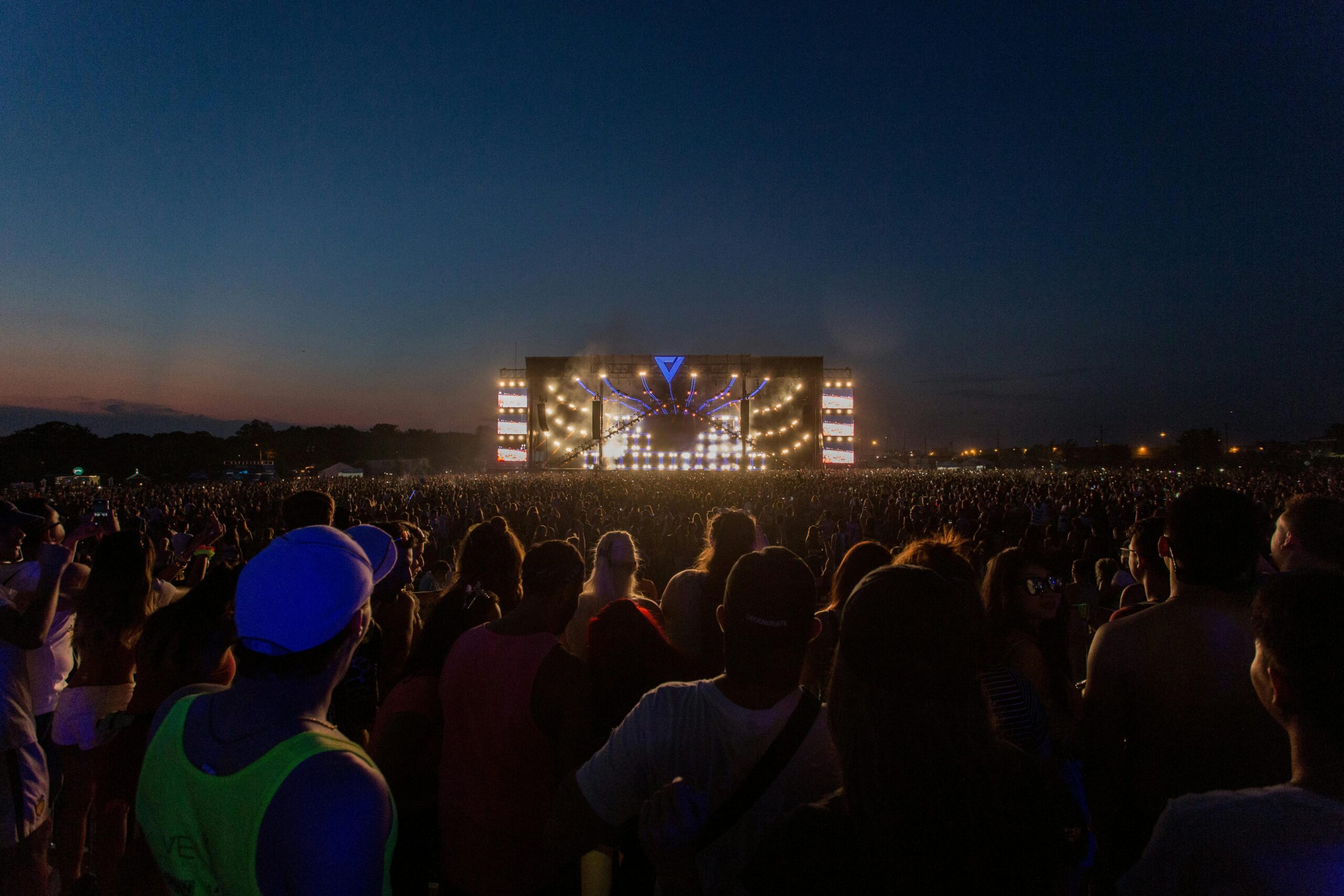
The Path Forward: Building Quieter, Darker Communities 🌙
Strategic routing represents proven methodology for addressing the interconnected challenges of noise and light pollution. Communities worldwide demonstrate that thoughtful planning creates environments where human activity and environmental quality coexist productively.
Implementation requires commitment from multiple stakeholders—government agencies, developers, businesses, and residents must all contribute to success. The investment pays dividends through improved health outcomes, enhanced property values, ecological protection, and elevated quality of life.
As awareness grows regarding the serious health and environmental consequences of noise and light pollution, strategic routing will transition from innovative practice to standard requirement. Forward-thinking communities that act now position themselves as desirable places to live, work, and raise families.
The chaos of modern urban environments need not be inevitable. Through strategic routing—carefully planned pathways for transportation, lighting, and development—we can silence excessive noise, dim unnecessary lighting, and restore the balance that humans and nature require for flourishing. The tools, knowledge, and examples exist; what remains is the collective will to prioritize long-term wellbeing over short-term convenience.
Every community can begin this journey today, starting with small interventions that demonstrate value and build momentum for comprehensive transformation. The question is not whether strategic routing works, but whether we possess the vision and determination to implement it broadly enough to make lasting differences in the environments we inhabit and leave to future generations.