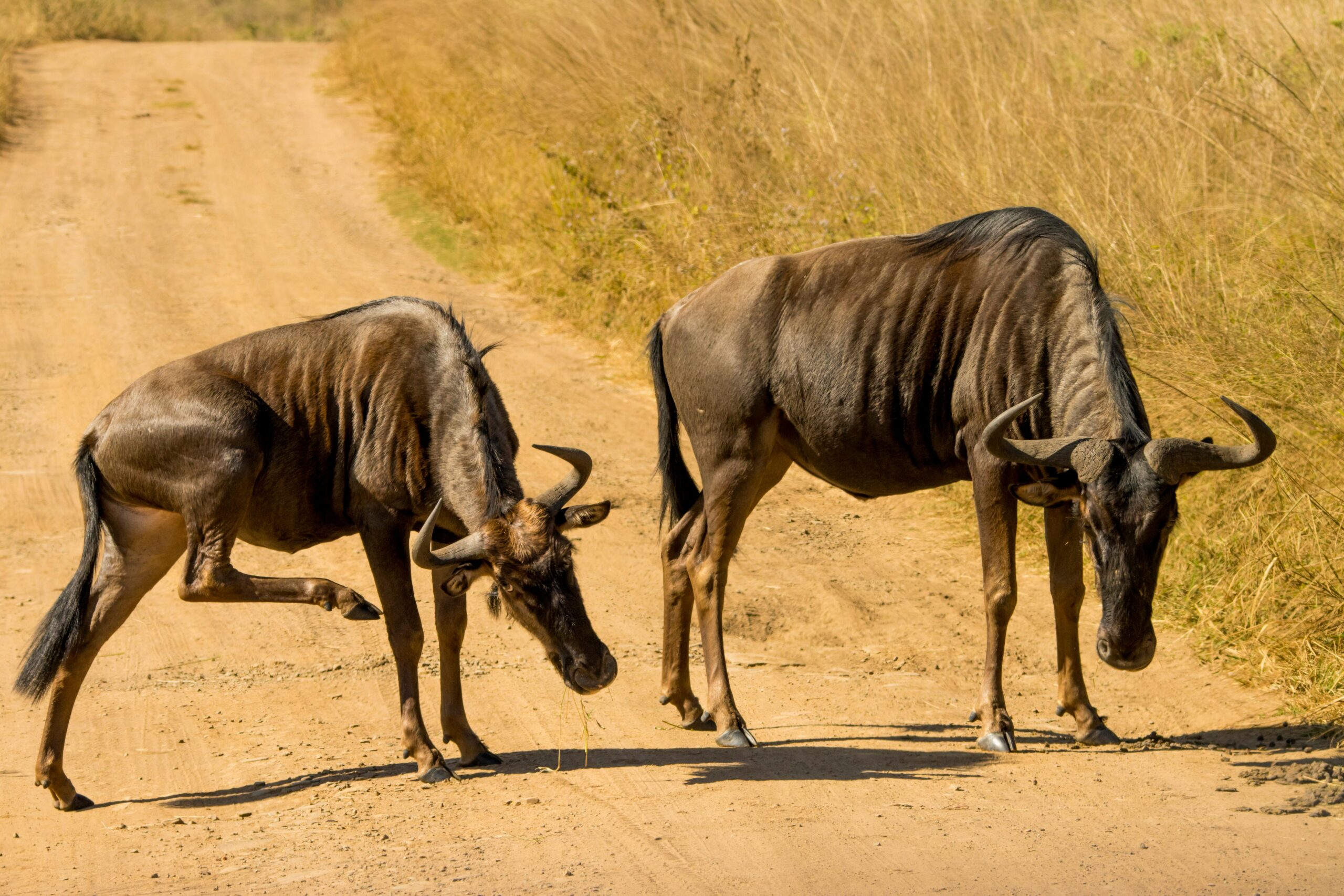
Communities worldwide are reimagining infrastructure to protect wildlife while keeping residents safe. The integration of animal-safe pathways represents a crucial step toward harmonious coexistence between urban development and natural ecosystems.

🌍 The Growing Need for Wildlife-Conscious Infrastructure
Urban expansion continues to fragment natural habitats, forcing wildlife into increasingly dangerous interactions with human infrastructure. Roads, railways, and development projects create barriers that isolate animal populations, disrupt migration patterns, and lead to countless wildlife casualties each year. The statistics paint a sobering picture: millions of animals perish annually in vehicle collisions, while countless others face habitat fragmentation that threatens their survival.
This crisis has sparked a global movement toward wildlife-safe infrastructure design. From overpasses allowing elk to cross highways safely to underpasses guiding amphibians beneath busy roads, communities are discovering that thoughtful planning can dramatically reduce human-wildlife conflicts while preserving biodiversity.
What makes these initiatives particularly powerful is their foundation in community engagement. When local residents contribute their knowledge of animal behavior, migration patterns, and accident hotspots, the resulting infrastructure solutions become far more effective than top-down planning alone could achieve.
🗣️ Why Community Voices Matter in Path Planning
Local residents possess invaluable knowledge that professional planners and wildlife biologists might overlook. A farmer knows which fields deer cross each evening. A morning jogger recognizes where foxes regularly emerge from the forest. School children observe which routes hedgehogs take through neighborhoods. This collective wisdom, accumulated through daily observation, forms an irreplaceable resource for designing effective animal-safe pathways.
Community input also ensures that solutions address local priorities and concerns. Residents can identify locations where children walk to school, where elderly neighbors exercise their dogs, or where cyclists commute. Integrating animal safety with human safety creates comprehensive solutions that serve entire ecosystems, including people.
Furthermore, when communities participate in planning processes, they develop ownership over the results. This investment translates into better maintenance, increased compliance with usage guidelines, and stronger advocacy for funding and expansion of successful programs.
The Knowledge Gap Only Locals Can Fill
Professional wildlife assessments typically occur during limited timeframes and may miss seasonal variations, nocturnal activity, or rare species movements. Community members who observe locations year-round provide temporal depth that transforms planning accuracy. Their reports create detailed pictures of animal behavior across seasons, weather conditions, and times of day.
Indigenous and long-term residents often hold historical knowledge about wildlife corridors that existed before development altered landscapes. This information helps planners restore natural pathways rather than creating artificial routes that animals might resist using.
🛤️ Types of Animal-Safe Pathways Communities Advocate For
Community-driven initiatives have championed various infrastructure solutions, each tailored to local wildlife needs and geographical constraints. Understanding these options helps communities articulate specific requests during planning processes.
Wildlife Overpasses and Underpasses
These structures allow animals to cross roads, railways, and other barriers safely. Overpasses typically feature native vegetation that camouflages the crossing and encourages use by prey species that avoid confined spaces. Underpasses work well for smaller animals and those comfortable in tunnel-like environments.
Community input proves essential in positioning these structures. Residents identify where animals currently attempt dangerous crossings, information that significantly improves placement decisions and success rates.
Amphibian Tunnels and Drift Fencing
Smaller creatures face unique challenges that require specialized solutions. Amphibian tunnels, often paired with drift fencing that guides frogs and salamanders toward safe passages, prevent mass casualties during migration seasons. Communities living near wetlands, ponds, and breeding areas provide crucial timing information about when these migrations occur.
Green Bridges and Living Corridors
These vegetated connections link fragmented habitats, allowing wildlife to move between feeding, breeding, and shelter areas without encountering dangerous infrastructure. Community members help identify which habitats require connection and which plant species will most effectively attract target wildlife.
Urban Wildlife Pathways
Cities increasingly recognize that wildlife corridors belong in urban settings too. Community gardens, green roofs, carefully planned street trees, and backyard habitat programs create networks allowing birds, pollinators, and small mammals to navigate urban landscapes safely.
📋 Effective Community Engagement Strategies
Successful animal-safe pathway projects employ multiple engagement methods to capture diverse community perspectives and knowledge. The most effective approaches recognize that different community members participate through different channels.
Citizen Science Programs
These initiatives train community members to document wildlife sightings, record roadkill locations, and monitor animal behavior. The data collected informs planning decisions with site-specific evidence. Participants develop deeper connections to local wildlife while contributing meaningfully to conservation efforts.
Modern technology enhances citizen science accessibility. Mobile applications allow residents to quickly photograph and geotag wildlife observations, creating detailed maps of animal activity patterns. This crowdsourced data complements professional surveys while engaging broader populations in conservation.
Public Workshops and Town Halls
Face-to-face gatherings remain powerful tools for community engagement. These events allow planners to present proposals, residents to voice concerns, and collaborative problem-solving to occur. Visual aids like maps, photographs, and models help participants understand proposals and contribute informed feedback.
Effective workshops include breakout sessions where small groups discuss specific aspects of projects. This format ensures quieter voices are heard and allows detailed exploration of complex issues.
Online Platforms and Digital Engagement
Digital tools expand participation beyond those able to attend in-person events. Online surveys, interactive mapping platforms, and social media engagement reach working parents, shift workers, and mobility-limited residents who might otherwise be excluded from planning processes.
Virtual town halls and webinars recorded for later viewing accommodate diverse schedules while maintaining interactive elements like live Q&A sessions and polling.
Partnerships with Schools and Youth Groups
Young people bring fresh perspectives and enthusiasm to conservation projects. Educational programs that involve students in wildlife monitoring, habitat assessment, and design competitions cultivate the next generation of conservation advocates while gathering valuable observations from young community members who spend significant time outdoors.
🎯 Translating Community Input Into Action
Collecting community feedback represents only the first step. Transforming this input into concrete infrastructure improvements requires systematic processes that validate information, prioritize interventions, and maintain community involvement through implementation.
Data Validation and Integration
Professional wildlife biologists and transportation engineers must review community-provided information alongside scientific studies and technical assessments. This integration ensures that popular proposals also meet biological and engineering requirements for effectiveness and safety.
Transparent communication about why certain suggestions are adopted while others are modified or declined maintains trust and encourages continued participation. Explanation of technical constraints helps communities understand decision-making processes.
Pilot Projects and Adaptive Management
Starting with smaller-scale pilot projects allows communities to see tangible results while providing opportunities to refine approaches before large-scale implementation. Monitoring pilot project outcomes and sharing results with communities demonstrates responsiveness to their input and builds support for expansion.
Adaptive management approaches acknowledge that initial designs may require adjustment. Community members who monitor structures after installation provide early warning of problems and suggestions for improvements.
💡 Success Stories From Around the World
Examining successful community-driven animal-safe pathway projects reveals best practices and inspires similar initiatives elsewhere. These examples demonstrate that community engagement produces superior outcomes across diverse contexts.
The Banff Wildlife Crossings, Canada
Perhaps the world’s most celebrated wildlife crossing system, the structures spanning the Trans-Canada Highway through Banff National Park resulted from decades of community advocacy, research, and refinement. Local residents documented wildlife-vehicle collisions and pressured authorities for solutions. The resulting network of overpasses and underpasses has enabled over 200,000 safe wildlife crossings while reducing collisions by over 80 percent.
European Green Bridge Initiatives
Netherlands, Germany, and other European nations have constructed hundreds of wildlife crossings, many initiated by local hunting clubs, naturalist societies, and community groups concerned about fragmented populations. Community involvement in monitoring crossing usage has refined design standards and informed placement decisions across the continent.
Urban Wildlife Corridors in Australian Cities
Australian communities facing biodiversity loss in rapidly developing urban areas have championed wildlife corridor projects connecting remnant habitats. Residents plant native species in gardens, advocate for preservation of connecting vegetation strips, and participate in monitoring programs tracking how wildlife uses these urban pathways.
🚧 Overcoming Common Challenges
Despite clear benefits, animal-safe pathway projects face obstacles that communities must navigate strategically. Understanding these challenges and proven solutions increases project success likelihood.
Funding Constraints
Wildlife infrastructure competes with numerous priorities for limited public funds. Communities strengthen funding arguments by documenting economic costs of wildlife-vehicle collisions, including property damage, injuries, and insurance claims. Demonstrating that prevention costs less than ongoing collision expenses makes compelling fiscal cases.
Partnerships with conservation organizations, corporate sponsors interested in environmental stewardship, and crowd-funding campaigns supplement public funding. Some communities have successfully argued for including wildlife crossing costs in initial road construction budgets, where they represent small percentages of total project costs.
Balancing Multiple Stakeholder Interests
Transportation departments prioritize traffic flow, developers focus on project costs, environmentalists emphasize wildlife protection, and residents want safety and minimal disruption. Facilitated dialogue that seeks win-win solutions helps navigate these competing interests.
Successful projects frame animal-safe pathways as serving multiple goals simultaneously: reducing dangerous wildlife-vehicle collisions improves human safety, preserving wildlife attracts tourism, and maintaining ecological connectivity provides ecosystem services like pollination and pest control that benefit agriculture and gardens.
Ensuring Long-Term Maintenance
Infrastructure requires ongoing maintenance to remain effective. Vegetation management, structure repairs, and continued monitoring demand sustained commitment. Communities that establish “friends of” groups or adopt-a-crossing programs ensure long-term stewardship beyond government maintenance schedules.
🔮 The Future of Community-Driven Wildlife Infrastructure
As climate change alters habitats and species ranges, wildlife will need increasingly flexible corridor networks. Community involvement becomes even more critical for monitoring how animals respond to environmental changes and adapting infrastructure accordingly.
Emerging technologies offer exciting possibilities for enhanced community participation. Artificial intelligence can analyze community-submitted wildlife photos to identify species and track population trends. Acoustic monitoring systems can detect animal vocalizations, providing data about species using corridors even when visual observation is difficult.
The integration of wildlife considerations into all infrastructure planning, rather than addressing them as afterthoughts, represents the ultimate goal. Communities that normalize wildlife-safe design principles in local planning codes, development requirements, and public works standards create lasting frameworks for coexistence.
🤝 Building Your Community’s Involvement
Residents interested in initiating or strengthening community input on animal-safe pathways can take concrete steps to build momentum and influence decision-making.
Start by documenting local wildlife-vehicle collision patterns. Photograph roadkill locations with GPS coordinates, noting species, dates, and times. Create simple maps showing hotspots where interventions would have greatest impact. This data provides evidence supporting intervention requests.
Connect with existing community groups that might share interests in wildlife-safe infrastructure. Environmental organizations, hiking clubs, garden societies, and parent-teacher associations all have reasons to support safer wildlife pathways. Coalition-building amplifies community voices and demonstrates broad support.
Engage with local government representatives early and often. Attend planning commission meetings, contact transportation department staff, and meet with elected officials. Frame requests in terms of constituent safety and fiscal responsibility alongside conservation benefits.
Share success stories from other communities facing similar challenges. Decision-makers are more likely to support proven solutions than experimental approaches. Demonstrating that wildlife crossings work elsewhere reduces perceived risks of trying them locally.
Celebrate incremental progress. Even small wins like reduced speed limits in wildlife crossing zones or enhanced signage represent steps toward comprehensive solutions. Acknowledging improvements maintains momentum and goodwill.
🌱 Creating Legacy Projects for Future Generations
Animal-safe pathways represent investments in ecological resilience that benefit communities for decades. The wildlife overpasses built today will serve countless animal generations, maintaining genetic diversity and population health long into the future.
These structures also serve as powerful educational tools. Children growing up seeing wildlife crossings learn that infrastructure can serve multiple purposes and that human development need not come at nature’s expense. This normalization of wildlife-conscious design shapes future planners, engineers, and policymakers.
Community members who participate in creating animal-safe pathways often report increased connection to local nature and pride in their communities. These projects demonstrate that ordinary residents can influence infrastructure decisions and create tangible improvements in their neighborhoods.
The pathways we build today, informed by community wisdom and guided by conservation science, chart courses toward futures where development and biodiversity thrive together. Every community possesses unique knowledge about local wildlife and landscape. When that knowledge shapes infrastructure decisions, we build not just safer paths for animals, but stronger, more resilient, and more connected communities for all species.
As human populations grow and development pressures intensify, the choices we make about infrastructure design become increasingly consequential. Communities that prioritize animal-safe pathways make powerful statements about values and vision. They declare that progress need not mean destruction, that growth can accommodate other species, and that human ingenuity can solve the challenges of coexistence.
The movement toward wildlife-conscious infrastructure continues gaining momentum globally. Each successful project, each community that raises its voice for safer pathways, and each animal that crosses safely over or under a road represents progress toward a future where human development and natural ecosystems enhance rather than exclude each other. Your community’s input, observations, and advocacy can shape that future, one pathway at a time.