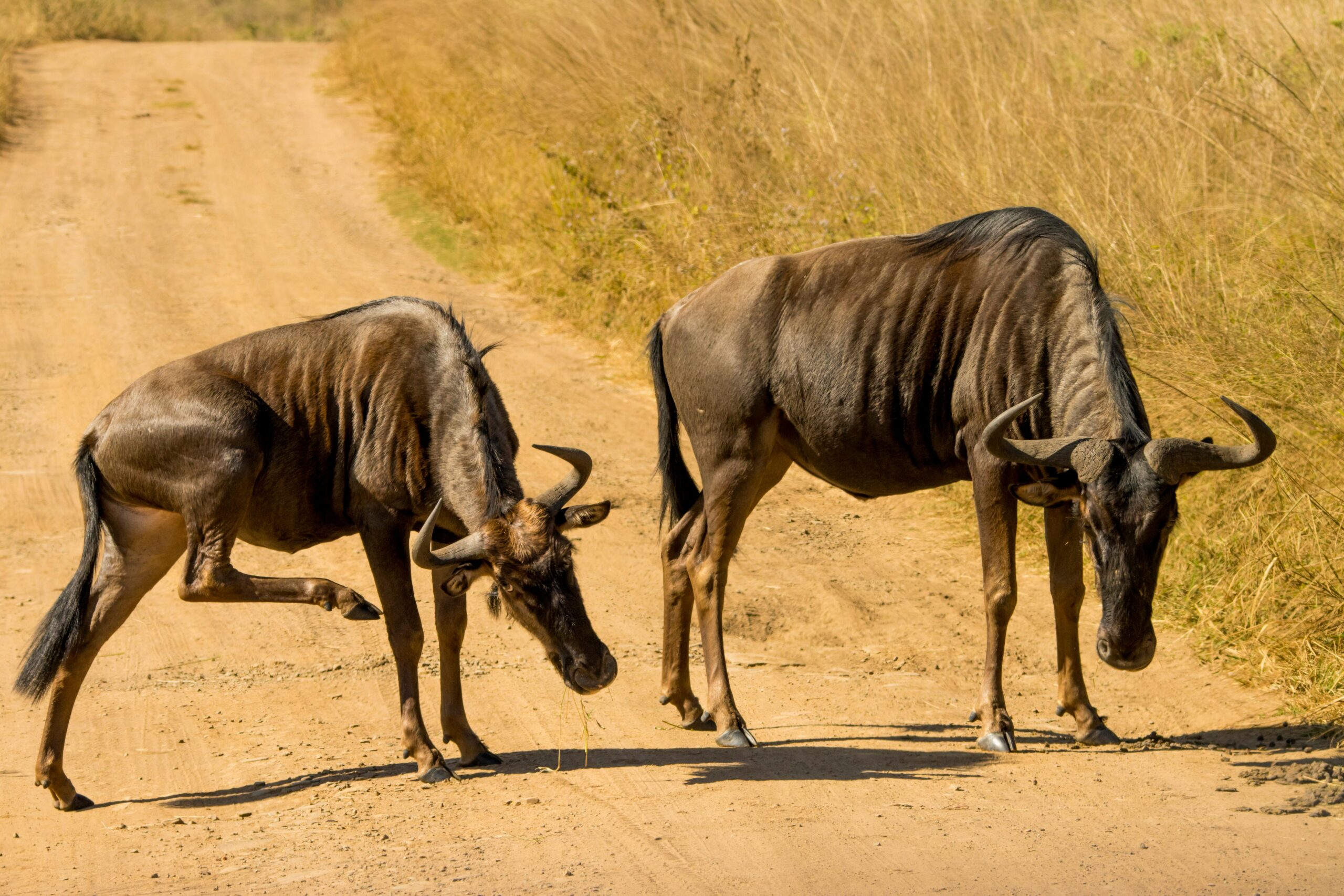
Trail design plays a crucial role in balancing outdoor recreation with wildlife conservation, requiring careful planning to minimize ecological disruption and maintain ecosystem connectivity.

🌲 Understanding Habitat Fragmentation Through Trail Development
Habitat fragmentation remains one of the most pressing environmental challenges facing modern conservation efforts. When trails cut through natural landscapes, they create barriers that can isolate wildlife populations, disrupt migration patterns, and reduce genetic diversity. The construction of recreational pathways, while providing humans with access to nature, can inadvertently divide ecosystems into smaller, less viable patches.
The impact of poorly designed trails extends far beyond the physical footprint of the path itself. Edge effects can penetrate hundreds of meters into adjacent habitats, altering microclimates, introducing invasive species, and creating opportunities for predators to access previously protected areas. Research has demonstrated that even narrow trails can deter certain species from crossing, effectively creating invisible barriers that fragment populations just as effectively as roads or development.
Understanding the mechanisms of habitat fragmentation is essential for trail designers and land managers. When animal populations become isolated in smaller habitat patches, they face increased risks of inbreeding, reduced genetic diversity, and greater vulnerability to local extinction events. Plants also suffer, as pollinator pathways become disrupted and seed dispersal mechanisms fail across fragmented landscapes.
🦌 Wildlife Corridor Integration in Trail Networks
The strategic incorporation of wildlife corridors into trail design represents a fundamental approach to preventing habitat fragmentation. These corridors serve as vital linkages between isolated habitat patches, allowing animals to move freely for foraging, mating, and seasonal migration. Trail planners must identify existing wildlife movement patterns through field surveys, camera trap studies, and tracking data before finalizing route selection.
Effective wildlife corridors require specific design considerations that differ from standard trail development. Width is particularly critical, with most species requiring corridors of at least 100 meters to feel secure during passage. The corridor should maintain natural vegetation structure and avoid unnecessary human disturbance during peak wildlife activity periods. Strategic placement of underpasses or overpasses at trail intersections can facilitate safe crossing opportunities.
Seasonal closures of certain trail segments during critical wildlife periods demonstrate another corridor-friendly strategy. Many species have specific times of year when movement is most essential, such as breeding seasons, migration periods, or when young animals are learning to navigate their territory. Temporary trail closures during these windows can significantly reduce fragmentation impacts while still allowing substantial recreational access throughout most of the year.
🗺️ Strategic Route Selection and Alignment Principles
The initial route selection process fundamentally determines whether a trail will contribute to or mitigate habitat fragmentation. Trail designers must conduct thorough ecological assessments before committing to any alignment, identifying sensitive habitats, rare species locations, and critical connectivity zones. Using existing disturbed areas or following natural landscape features can minimize additional fragmentation.
Topography plays a significant role in route selection that respects ecological integrity. Trails that follow ridgelines or valley bottoms often create less disruption than those cutting across slopes, as they align with natural travel patterns for both humans and wildlife. Avoiding wetlands, riparian zones, and other ecologically sensitive areas should be non-negotiable priorities in the planning phase.
Technology has revolutionized route selection capabilities, with GIS mapping and habitat modeling allowing planners to visualize fragmentation impacts before breaking ground. These tools can identify optimal alignments that maximize connectivity while providing desired recreational experiences. Drone surveys and satellite imagery provide additional layers of information about vegetation patterns, water resources, and existing wildlife pathways.
🌿 Minimizing Trail Width and the Edge Effect Phenomenon
Trail width represents a critical variable in managing habitat fragmentation impacts. Wider trails create larger barriers to wildlife movement and generate more extensive edge effects. While safety and user experience require adequate width, excessive trail dimensions unnecessarily increase ecological disruption. Single-track trails typically create less fragmentation than multi-use paths, though they serve different recreational purposes.
The edge effect extends the impact zone far beyond the physical trail corridor. Where forest meets trail, conditions change dramatically, including increased light penetration, altered temperature and humidity, and modified plant communities. These edge zones become invasion corridors for exotic species and can penetrate 50-200 meters into adjacent habitats depending on local conditions.
Design strategies to minimize edge effects include maintaining vegetation buffers where possible, limiting clearing to the minimum necessary width, and preserving canopy closure over trails in forested areas. Natural trail surfaces generally create less severe edge effects than paved or heavily engineered paths, as they maintain better hydrological connectivity and microhabitat continuity.
🔄 Creating Connectivity Through Crossing Structures
Wildlife crossing structures represent engineered solutions that maintain habitat connectivity across trail networks. These features range from simple small mammal passages to elaborate bridge systems that allow large ungulates to cross without encountering humans. The design must account for target species behavior, with some animals preferring dark, enclosed tunnels while others require open, visually permeable structures.
Underpasses work particularly well where trails cross natural drainage features or pass through terrain with elevation changes. These structures can be integrated during initial construction at relatively modest cost compared to retrofit installations. Proper design requires adequate dimensions, appropriate substrate, and natural vegetation screening to encourage animal use rather than avoidance.
Monitoring crossing structure effectiveness is essential for adaptive management. Camera traps positioned at crossing points provide valuable data about which species utilize the structures, crossing frequencies, and temporal patterns. This information allows managers to refine designs, adjust vegetation management, or modify human use patterns to enhance wildlife passage success rates.
⏰ Temporal Zoning and Shared Use Strategies
Temporal separation between human recreation and wildlife activity offers another powerful tool for reducing effective fragmentation. Many species are primarily nocturnal or crepuscular, meaning their peak activity occurs when few humans are on trails. Allowing wildlife exclusive access during dawn, dusk, and nighttime hours can substantially reduce the barrier effect of trails while maintaining daytime recreational opportunities.
Seasonal closures address temporal wildlife needs at longer time scales. Restricting trail access during breeding seasons, migration periods, or when young animals are most vulnerable provides critical protection during sensitive life stages. These closures are often more socially acceptable when implemented with clear educational messaging about the conservation benefits and specific wildlife needs being addressed.
Dynamic trail management systems use real-time monitoring to adjust access based on actual wildlife presence rather than fixed schedules. This approach maximizes both conservation outcomes and recreational opportunities by responding to actual conditions rather than generalized patterns. Such systems require robust monitoring infrastructure and clear communication channels to inform trail users about current conditions and access status.
🌱 Restoration and Revegetation Along Trail Corridors
Aggressive revegetation of trail edges and adjacent disturbed areas can significantly reduce fragmentation impacts. Native plant communities help re-establish ecological continuity, provide food and shelter resources, and minimize the competitive advantage that invasive species often enjoy in disturbed areas. Strategic plantings can also help guide wildlife movement toward crossing structures and away from high-use trail segments.
Plant selection for trail corridor restoration must consider multiple ecological functions. Species should provide wildlife food resources across seasons, offer shelter and nesting opportunities, and create visual screening that makes animals feel secure when crossing or moving near trails. Using local genetic stock ensures adaptation to site conditions and maintains regional genetic integrity.
Maintenance protocols should support restoration goals rather than undermining them. Excessive clearing of trailside vegetation in the name of sightlines or user experience can perpetuate edge effects and barrier impacts. Balanced approaches maintain necessary safety clearances while allowing vegetation to provide ecological connectivity functions in non-critical zones.
📊 Monitoring and Adaptive Management Frameworks
Effective trail design for habitat connectivity requires ongoing monitoring to assess outcomes and inform management adjustments. Baseline ecological surveys before trail construction provide essential comparison points for evaluating impacts. Standardized protocols for vegetation, wildlife populations, and movement patterns allow detection of both positive and negative trends over time.
Technology increasingly enables cost-effective, continuous monitoring that was previously impractical. Remote cameras, acoustic monitors, and environmental sensors can collect data across seasons and years with minimal ongoing labor investment. Citizen science initiatives can supplement professional monitoring, engaging trail users as conservation partners while gathering valuable information.
Adaptive management frameworks use monitoring data to refine trail design and management strategies over time. When monitoring reveals unexpected impacts or opportunities for improvement, management adjustments can be implemented and their effectiveness evaluated through continued observation. This iterative approach recognizes that perfect designs are rare and continuous improvement is both possible and necessary.
🤝 Engaging Stakeholders in Connectivity-Focused Design
Successful trail design that prevents habitat fragmentation requires engagement with diverse stakeholders, including recreational users, conservation organizations, land managers, and local communities. Educational outreach helps trail users understand why certain design features or use restrictions exist, building support for conservation measures that might otherwise seem arbitrary or inconvenient.
Collaborative planning processes that include stakeholders from the beginning generate more innovative solutions and stronger long-term support. Recreational users often have valuable observations about wildlife behavior and movement patterns. Local communities may possess traditional ecological knowledge that informs understanding of landscape connectivity. Conservation scientists bring technical expertise about fragmentation mechanisms and mitigation strategies.
Volunteer stewardship programs can extend limited management capacity while deepening stakeholder investment in trail success. Trail maintenance volunteers can be trained to document wildlife observations, identify ecological concerns, and implement restoration projects. This engagement transforms trail users from potential conservation problems into active conservation partners.
🌍 Landscape-Scale Planning Beyond Individual Trails
Individual trail design decisions occur within broader landscape contexts that determine ultimate connectivity outcomes. A perfectly designed trail cannot overcome fragmentation if it exists within a landscape matrix of poorly planned development, roads, and other barriers. Regional planning that coordinates multiple trail systems, protected areas, and land use decisions provides the framework for maintaining landscape-scale connectivity.
Regional trail networks should be designed as integrated systems rather than collections of individual projects. This approach identifies where trails can follow shared corridors to concentrate impacts and where separation maintains connectivity. Coordination across jurisdictional boundaries ensures that conservation efforts in one area are not undermined by incompatible decisions elsewhere.
Climate change adaptation requires connectivity planning that anticipates shifting species ranges and habitat conditions. Trails designed today will exist for decades, during which ecological conditions may change substantially. Flexible designs that can accommodate changing wildlife use patterns and support range shifts will prove more resilient than rigid approaches optimized only for current conditions.
💡 Innovative Technologies Supporting Connectivity Goals
Emerging technologies offer exciting possibilities for reducing trail-related habitat fragmentation. GPS tracking collars provide unprecedented detail about animal movement patterns, revealing exactly how wildlife responds to trails and where crossing opportunities would be most valuable. This data-driven approach replaces guesswork with evidence-based design decisions.
Virtual fencing technology enables dynamic space-time management without physical infrastructure. Animals can be trained to respond to collar-based signals that define boundaries that shift based on human presence or activity. While still experimental, such approaches could eventually allow fine-grained temporal separation between human and wildlife use of the same spaces.
Visualization technologies help stakeholders understand complex connectivity concepts and evaluate alternative trail designs. Three-dimensional modeling and virtual reality experiences can demonstrate how different alignments would affect wildlife movement, allowing more informed decision-making during planning processes. These tools make abstract ecological concepts tangible and accessible to non-specialist audiences.
🎯 Measuring Success in Fragmentation Prevention
Defining and measuring success in preventing habitat fragmentation requires clear objectives and appropriate metrics. Simple measures like species diversity along trail corridors provide basic information but may miss critical connectivity functions. Movement data showing animals successfully crossing trails or utilizing corridors offers more direct evidence of functional connectivity.
Genetic analysis provides powerful insights into whether trail systems maintain population connectivity at the level that matters most for long-term viability. Genetic isolation becomes detectable before demographic changes occur, offering early warning of fragmentation impacts. While expensive, genetic monitoring may be justified for threatened species or particularly valuable habitat systems.
Long-term monitoring commitments are essential because fragmentation impacts often emerge gradually over years or decades. Short-term studies may miss effects that only become apparent as populations respond across generations. Sustained funding and institutional commitment to monitoring represent critical but often overlooked components of successful connectivity-focused trail design.
🌟 From Theory to Practice: Implementation Considerations
Translating connectivity principles into actual trail construction requires attention to practical details that determine whether well-intentioned designs achieve their objectives. Construction timing can be managed to avoid sensitive wildlife periods, with work scheduled during seasons when disturbance impacts are minimized. Contractors should receive training about connectivity objectives so they understand why certain specifications matter.
Cost considerations inevitably influence design decisions, but short-term savings from simpler approaches may generate long-term costs from ecological damage and restoration needs. Life-cycle cost analysis that includes ecological outcomes provides more complete decision-making information than construction budgets alone. Grant programs and conservation partnerships can help fund features with high ecological value but limited recreational justification.
Regulatory frameworks increasingly recognize habitat connectivity as a fundamental conservation need, creating both requirements and opportunities for trail planners. Environmental impact assessments now commonly address fragmentation, and mitigation requirements may mandate connectivity features. Proactive designs that exceed minimum requirements build goodwill with regulatory agencies and position projects for smoother approval processes.
The future of trail design lies in sophisticated integration of recreational access with habitat connectivity goals. As outdoor recreation pressure increases and wildlife faces mounting challenges from climate change and development, trails must serve dual purposes as both recreational amenities and conservation tools. By applying proven strategies to prevent habitat fragmentation, trail designers create pathways that connect people to nature while maintaining the ecological connections that nature requires to thrive.