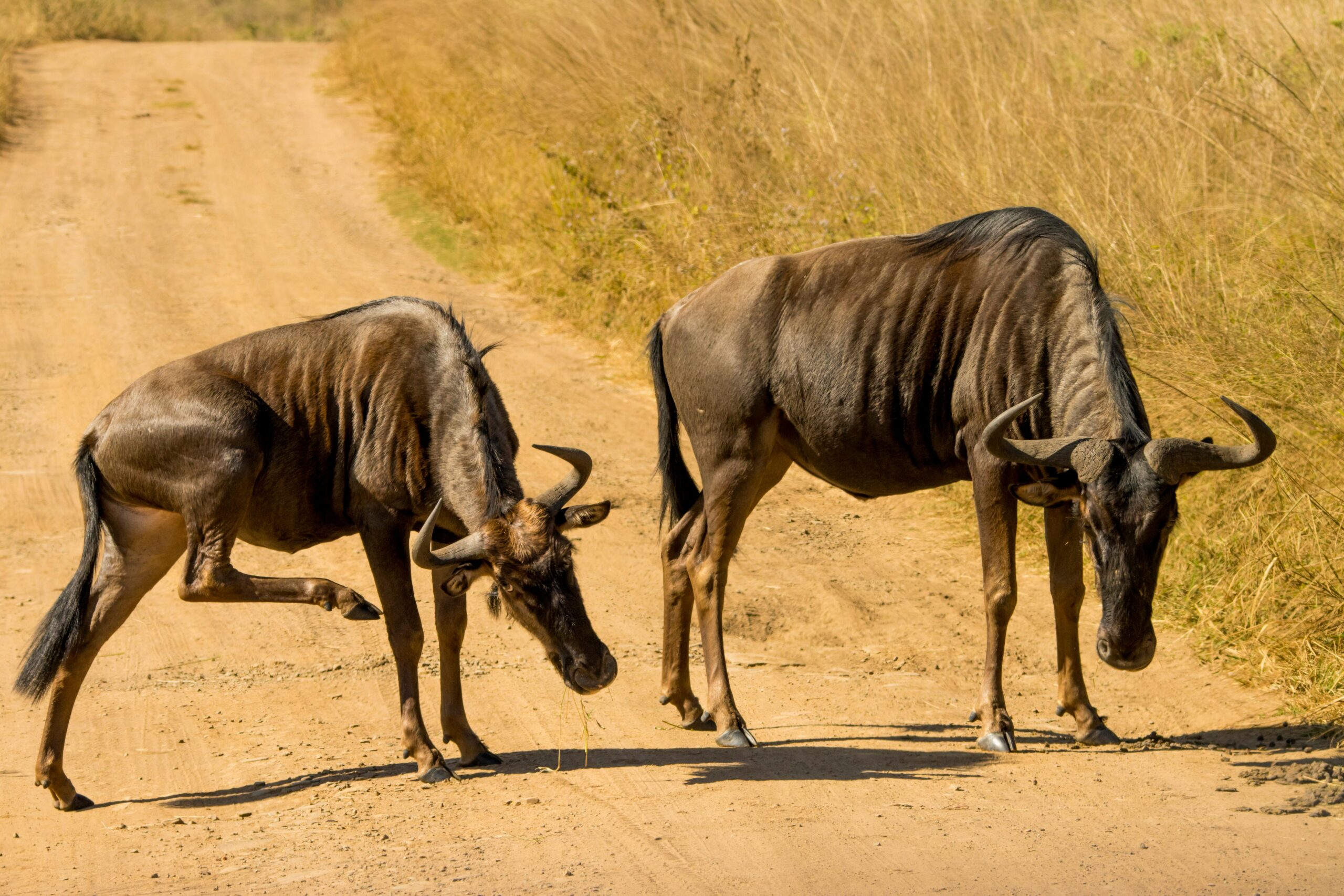
Creating trails that harmonize human recreation with wildlife protection is one of the most critical challenges facing outdoor recreation planners and conservation experts today.

🌲 Understanding the Delicate Balance Between Access and Preservation
The relationship between recreational trails and wildlife habitats requires thoughtful consideration and strategic planning. As more people seek outdoor experiences, the pressure on natural ecosystems intensifies. Wildlife-friendly trails represent a solution that allows humans to enjoy nature while minimizing disturbance to the animals, plants, and ecological processes that make these spaces valuable.
Trail design isn’t simply about creating a path from point A to point B. It involves understanding animal movement patterns, breeding seasons, sensitive habitats, and the cumulative impacts of human presence. When done correctly, trails can actually channel human activity in ways that protect the most vulnerable areas while still providing meaningful outdoor experiences.
The concept of wildlife-friendly trails has evolved significantly over the past decades. Early trail systems often followed routes of convenience without consideration for ecological impacts. Today’s approach integrates wildlife biology, landscape ecology, and recreation management into comprehensive planning frameworks.
🦌 Core Principles of Wildlife-Conscious Trail Design
Successful wildlife-friendly trails are built on several foundational principles that guide every aspect of their development. These principles help balance recreation needs with conservation objectives, creating spaces where both humans and wildlife can thrive.
Strategic Route Planning and Habitat Avoidance
The most important decision in wildlife-friendly trail development happens before any ground is broken: route selection. This process requires extensive ecological surveys to identify critical wildlife habitats, migration corridors, nesting sites, and water sources. Trails should be routed to avoid these sensitive areas, particularly during crucial periods like breeding seasons or migration windows.
Trail planners must consider the home ranges and movement patterns of species in the area. Large mammals like elk, bears, and wolves require extensive territories and specific corridor connections between habitats. Breaking these corridors can isolate populations and reduce genetic diversity. By mapping these movement patterns, planners can position trails to maintain connectivity.
Edge effects also play a crucial role in route planning. The boundary between trails and undisturbed habitat creates an “edge” that can extend hundreds of meters into adjacent ecosystems. Some species avoid these edges entirely, effectively reducing their available habitat. Concentrating trails in already-disturbed areas or creating buffer zones can minimize these impacts.
Temporal Zoning and Seasonal Closures
Not all trail impacts are equal throughout the year. Many wildlife species are particularly vulnerable during specific seasons—nesting birds in spring, denning bears in winter, or migrating ungulates in fall. Wildlife-friendly trail systems incorporate temporal management strategies that restrict access during these sensitive periods.
Seasonal closures have proven highly effective in protecting wildlife while still allowing substantial recreational use during other times. These closures are most successful when accompanied by education explaining the reasons behind restrictions. Signage, website information, and trail apps can help users understand and comply with seasonal access rules.
🛤️ Infrastructure Elements That Minimize Wildlife Disturbance
The physical design of trails significantly affects their impact on wildlife. Thoughtful infrastructure choices can dramatically reduce disturbance while enhancing the user experience.
Trail Width and Surface Selection
Wider trails generally create larger disturbance zones and may be perceived as more threatening by wildlife. Single-track trails typically have lower ecological impacts than wide multi-use paths. However, trail width decisions must balance wildlife needs with user safety and erosion control.
Surface materials influence both environmental impact and trail durability. Natural surfaces that blend with surroundings are less visually intrusive, but may require more maintenance. Permeable surfaces allow water infiltration and reduce runoff that can damage adjacent habitats. The choice depends on expected use levels, terrain, climate, and budget.
Strategic Viewing Platforms and Buffer Zones
Where trails must pass near sensitive areas or popular wildlife viewing locations, elevated platforms and observation points can concentrate human presence while maintaining separation from animals. These structures allow people to observe wildlife behavior without direct disturbance, creating win-win scenarios for recreation and conservation.
Buffer zones of undisturbed vegetation between trails and critical habitats serve multiple purposes. They provide visual screening that reduces wildlife awareness of human presence, create acoustic barriers that dampen noise, and offer refuge areas where animals can retreat if disturbed. Buffer widths should be tailored to species-specific needs, with larger animals typically requiring wider buffers.
Fencing and Barrier Systems
In some situations, physical barriers help separate trail users from sensitive areas. These range from subtle rope or split-rail fencing that gently guides users to stay on trail, to more substantial wildlife fencing that prevents animals from crossing trails in dangerous locations. Barrier design must consider both human safety and wildlife movement needs.
Wildlife crossings—including overpasses, underpasses, and culverts—allow animals to safely traverse trail corridors. These structures maintain habitat connectivity and reduce wildlife-human conflicts. Cameras and tracking studies help verify that crossings are being used effectively by target species.
📱 Technology Solutions for Wildlife-Friendly Recreation
Modern technology offers powerful tools for managing trails in ways that protect wildlife while enhancing visitor experiences. Mobile apps, sensors, and communication systems create dynamic management possibilities that weren’t available to previous generations of trail planners.
Digital Trail Information and Real-Time Updates
Trail management apps can provide users with current information about closures, wildlife activity, and appropriate behavior. These platforms allow managers to quickly communicate changing conditions, such as recent bear sightings or nesting activity that requires temporary rerouting.
GPS-enabled trail apps help keep hikers on designated routes, reducing habitat trampling and disturbance in off-trail areas. Features like waypoint marking, trail conditions, and difficulty ratings help users select appropriate routes, potentially reducing rescue situations that can cause additional disturbance.
Wildlife Monitoring Systems
Camera traps, acoustic sensors, and other monitoring technologies allow managers to track wildlife use patterns and assess trail impacts. This data informs adaptive management decisions, helping refine closure schedules, identify problem areas, and document conservation successes.
Some advanced systems use real-time animal detection to trigger warning signs or temporary trail closures. For example, sensors detecting bear activity near a trail can automatically activate electronic signs alerting users to increased caution or suggesting alternative routes.
🌍 Community Engagement and Education: The Human Element
Even the best-designed trail systems fail without user cooperation. Education and community involvement are essential components of wildlife-friendly trail networks.
Interpretive Signage and On-Trail Education
Well-designed interpretive materials transform trail users from potential threats into conservation allies. Signs that explain local wildlife, ecological processes, and the reasons behind management decisions help visitors understand their role in protecting nature. The most effective interpretive signage tells stories rather than simply listing rules, creating emotional connections that motivate appropriate behavior.
Digital interpretation, accessed via QR codes or trail apps, can provide detailed information without cluttering the landscape with signs. This approach allows layered content—basic information for casual users and detailed natural history for interested learners—while maintaining aesthetic values.
Volunteer Stewardship Programs
Engaging the community in trail maintenance, monitoring, and education creates a sense of ownership and responsibility. Trail stewards who regularly patrol routes can provide gentle education to users, report maintenance needs, and document wildlife observations. These programs build constituencies that support conservation-oriented management decisions.
Citizen science initiatives that involve trail users in data collection serve dual purposes: they generate valuable information for managers while educating participants about wildlife and ecosystems. Bird counts, phenology observations, and wildlife tracking projects turn recreation into contribution.
🦋 Specific Considerations for Different Ecosystems
Wildlife-friendly trail design must adapt to the unique characteristics of different habitats and the species they support.
Forest and Woodland Trails
Forest trails affect interior forest species that require large blocks of undisturbed habitat. Trail fragmentation can be particularly damaging in these ecosystems. Strategies include routing trails along existing edges rather than creating new ones, maintaining canopy cover over trails, and creating loop systems that maximize trail mileage while minimizing habitat division.
Old-growth forests require especially careful planning, as they support specialized species found nowhere else. Limited access, small group sizes, and permit systems help protect these irreplaceable ecosystems while allowing respectful visitation.
Wetland and Riparian Corridors
Water-associated habitats support exceptional biodiversity but are highly sensitive to disturbance. Boardwalks and elevated trail sections prevent soil compaction and maintain hydrological functions while protecting vulnerable plants. Buffer zones between trails and water bodies protect aquatic ecosystems from sediment, pollutants, and thermal impacts.
Amphibian breeding sites deserve special attention, as these animals are particularly sensitive to human presence during reproductive periods. Seasonal closures of trails near vernal pools and wetlands during spring breeding seasons can be critical for population persistence.
Grassland and Prairie Systems
Open habitats present different challenges, as wildlife often have longer sight distances and may be disturbed by human presence at greater distances. Trail design in these systems should consider topography to use natural screening, position trails along ecotones rather than through habitat interiors, and implement seasonal restrictions during nesting seasons when ground-nesting birds are most vulnerable.
Coastal and Marine Environments
Beach and coastal trails must account for nesting shorebirds, marine mammal haul-out sites, and intertidal ecosystems. Physical barriers, viewing platforms, and seasonal closures protect sensitive areas while maintaining access. Education about tide pools, dune systems, and marine life helps visitors appreciate fragile coastal ecosystems.
🔄 Adaptive Management and Continuous Improvement
Wildlife-friendly trails require ongoing assessment and adjustment. Initial designs, no matter how thoughtful, cannot anticipate all impacts or changing conditions. Adaptive management creates feedback loops that drive continuous improvement.
Regular monitoring of both wildlife populations and trail conditions provides the data needed for informed decision-making. Metrics might include species richness and abundance, breeding success, trail erosion, user compliance with regulations, and visitor satisfaction. This information guides adjustments to infrastructure, regulations, and management practices.
Climate change adds complexity to trail management, as species distributions and phenology shift in response to changing conditions. Migration timing, breeding seasons, and habitat suitability are all in flux. Monitoring programs must detect these changes, and management strategies must adapt accordingly.
🤝 Collaboration Across Boundaries and Disciplines
Effective wildlife-friendly trails require collaboration among diverse stakeholders. Wildlife biologists, trail designers, recreation managers, landscape architects, community members, and user groups all bring essential perspectives. Integrated planning processes that include these voices from the beginning produce better outcomes than those imposing decisions from above.
Regional coordination becomes increasingly important as ecosystems don’t respect administrative boundaries. Wildlife populations may move across multiple jurisdictions, requiring coordinated management strategies. Trail networks that connect protected areas can facilitate this coordination while providing longer-distance recreation opportunities.

💚 The Lasting Value of Thoughtful Trail Design
Investing in wildlife-friendly trails pays dividends across multiple dimensions. These systems protect biodiversity, maintain ecosystem functions, provide high-quality recreation opportunities, and foster environmental stewardship. They demonstrate that human enjoyment of nature and wildlife conservation aren’t mutually exclusive goals.
As outdoor recreation continues growing, the principles and practices of wildlife-friendly trail design become ever more critical. The trails we build today will shape ecosystems and human experiences for generations. By embracing thoughtful design, adaptive management, and community engagement, we create legacy trail systems that truly protect and preserve nature’s beauty while sharing it responsibly with those who seek connection with the natural world.
The path forward requires commitment to excellence in planning, willingness to make difficult decisions that prioritize conservation, and recognition that meaningful outdoor experiences don’t require unfettered access to every corner of wild places. Wildlife-friendly trails represent a mature relationship with nature—one characterized by respect, restraint, and reverence for the wild creatures with whom we share this planet.