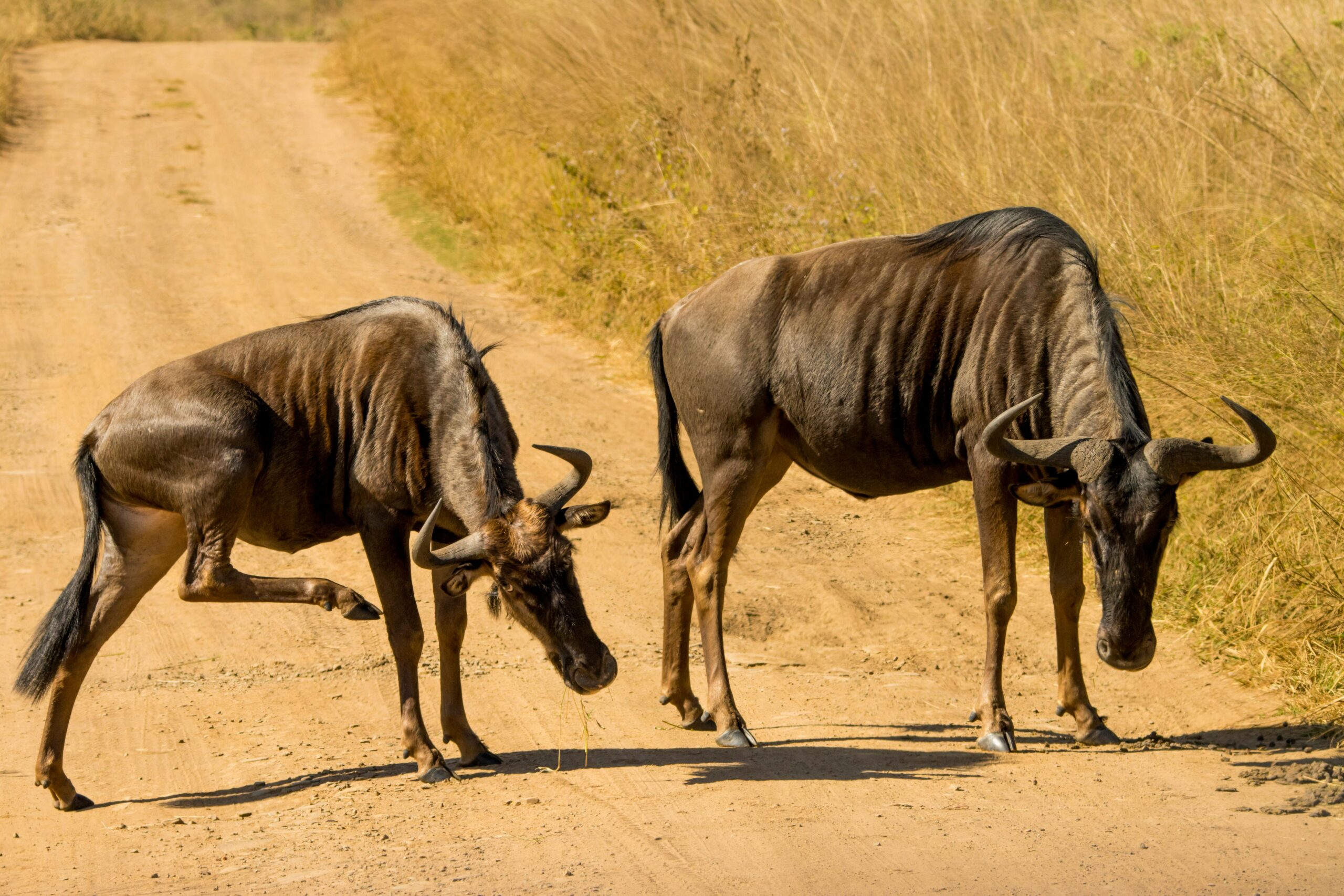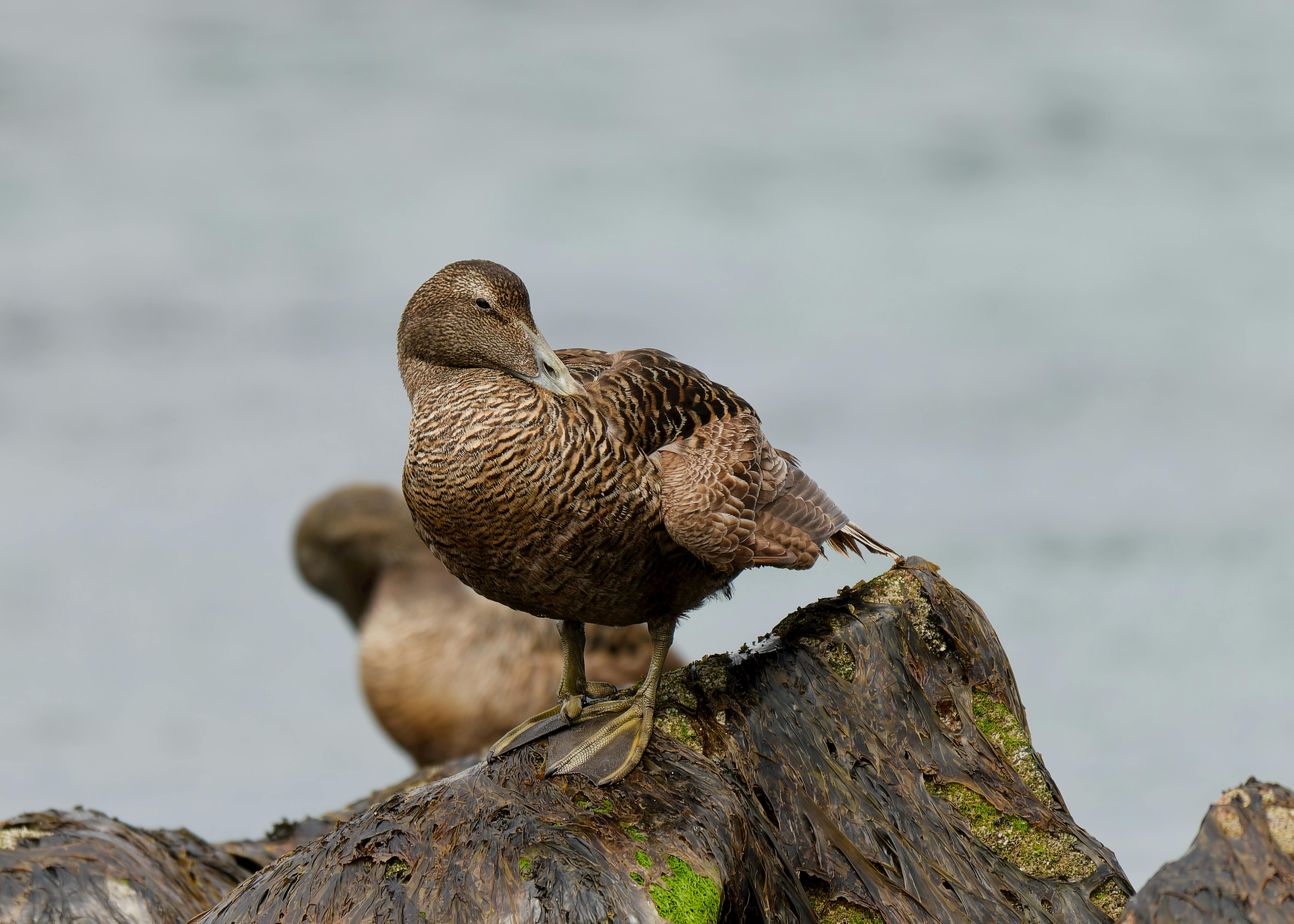
Effective path planning requires awareness of wildlife nesting and breeding zones to ensure safe, legal, and environmentally responsible travel through natural areas.

🗺️ Understanding the Impact of Wildlife Zones on Your Route Planning
When planning outdoor adventures, whether hiking, biking, or navigating wilderness areas, many travelers focus solely on distance, terrain difficulty, and weather conditions. However, one critical factor often gets overlooked: wildlife nesting and breeding zones. These sensitive areas can significantly impact your journey, potentially leading to route closures, legal complications, and unintended ecological damage.
Nesting and breeding zones are protected areas where wildlife species reproduce, raise their young, and engage in critical life-cycle activities. These zones vary by species, season, and geographic location. Disturbing these areas can result in abandoned nests, stressed animals, reduced breeding success, and in some cases, aggressive animal behavior that puts both wildlife and humans at risk.
Understanding how to identify and navigate around these zones isn’t just about compliance with regulations—it’s about practicing responsible outdoor ethics and ensuring that natural spaces remain viable for future generations. The good news is that with proper planning and the right tools, avoiding these sensitive areas can be seamlessly integrated into your route planning process.
🦅 Seasonal Patterns: When Wildlife Zones Become Most Critical
Wildlife breeding and nesting activity follows predictable seasonal patterns, though these vary significantly by species and region. Understanding these patterns is fundamental to successful path planning that respects wildlife habitats.
Spring: The Peak Breeding Season
Spring represents the most critical period for most wildlife species in temperate regions. Birds begin nest building, mammals emerge from hibernation to mate, and amphibians migrate to breeding pools. During this time, many trails and areas may have temporary closures or restrictions. Migratory bird nesting season typically runs from March through August in North America, with peak activity in April and May.
Planning routes during spring requires extra diligence. What was an open trail in winter might be restricted to protect ground-nesting birds like plovers, terns, or prairie chickens. Coastal areas often have extensive closures to protect sea turtle nesting sites and shorebird colonies.
Summer: Rearing Young and Continued Protection
Summer continues many of the protections established in spring, as young animals remain vulnerable. Many bird species have multiple broods, extending nesting season well into late summer. Marine mammals like seals often have pupping seasons that extend through summer months, creating no-go zones along beaches and rocky coastlines.
Additionally, summer brings increased human recreation pressure, making wildlife zones even more sensitive. Animals that might tolerate occasional disturbance become stressed with constant human presence, potentially abandoning nests or dens.
Fall and Winter: Relative Freedom with Important Exceptions
Fall and winter generally present fewer restrictions, as most species have completed breeding cycles. However, some important exceptions exist. Wintering waterfowl concentrations create sensitive areas where disturbance can deplete critical energy reserves. Some species, like bald eagles, nest during winter months. Marine mammals may have winter breeding seasons depending on the species and location.
📍 Identifying Protected Zones Before You Go
Successful avoidance of nesting and breeding zones begins long before you hit the trail. Multiple resources and strategies can help you identify these areas during the planning phase.
Official Land Management Resources
Start with official sources from the land management agency responsible for your destination. National parks, national forests, state parks, and wildlife refuges all maintain updated information about seasonal closures and restrictions. Most agencies now provide digital maps and online resources that clearly mark restricted areas.
Check agency websites regularly, as closures can change based on wildlife activity. Some agencies offer email alerts or social media updates about new restrictions. Don’t rely solely on printed maps or guidebooks, which may be outdated.
Digital Mapping Tools and Applications
Modern technology has revolutionized route planning with GPS-enabled applications that include wildlife zone information. Many hiking and navigation apps now incorporate protected area boundaries, seasonal closure data, and real-time updates from land managers.
These tools allow you to visualize your planned route against known sensitive areas, making it easy to identify conflicts and plan alternatives. Some applications even provide alerts when you’re approaching a restricted zone, helping prevent accidental violations.
Local Knowledge and Community Resources
Don’t underestimate the value of local knowledge. Visitor centers, ranger stations, and local outdoor retailers often have the most current information about wildlife activity and restrictions. Local hiking clubs, birding groups, and conservation organizations can provide insights that haven’t yet made it into official channels.
Online forums and trail-reporting websites also offer real-time information from recent visitors. However, verify such information through official sources, as informal reports may be incomplete or inaccurate.
🛤️ Strategic Route Planning Techniques
Once you’ve identified potential wildlife zones along your intended route, several strategies can help you plan around them effectively while still achieving your travel goals.
The Buffer Zone Approach
Rather than planning routes that skirt the exact boundaries of protected zones, build in buffer distances. Wildlife doesn’t recognize human-drawn boundaries, and animals often range beyond designated closure areas. Planning routes with 100-200 meter buffers around sensitive areas provides an additional safety margin and reduces stress on wildlife.
This approach also protects you from accidentally violating boundaries due to GPS inaccuracy or unclear on-ground markers. Many GPS devices have accuracy ranges of 5-10 meters under ideal conditions, and much worse in challenging terrain or heavy tree cover.
Alternative Route Identification
Always develop alternative routes during your planning process. Identify at least two viable alternatives to your primary route, each avoiding known wildlife zones through different approaches. This preparation ensures you’re not stuck without options if you encounter unexpected closures or discover additional restricted areas.
Consider how alternatives affect your overall journey. Sometimes a longer route with better wildlife zone clearance results in a smoother, faster journey than a shorter route requiring multiple detours or backtracking.
Timing Adjustments
Sometimes the best way to avoid breeding zones isn’t changing where you go, but when you go. If a desired route intersects seasonal nesting areas, shifting your trip by a few weeks or months might allow you to follow your preferred path when restrictions are lifted.
This strategy requires flexibility in scheduling but often yields the best experience, as you’ll encounter trails and areas during less sensitive periods, typically with fewer crowds and more open access.
⚖️ Legal Consequences and Ethical Considerations
Violating wildlife zone restrictions carries serious consequences beyond the immediate impact on animals. Understanding these ramifications reinforces the importance of careful planning.
Legal Penalties and Enforcement
Wildlife protection laws include substantial penalties for violations. In the United States, disturbing protected species or entering closed areas can result in fines ranging from hundreds to thousands of dollars, depending on the violation severity and jurisdiction. Federal violations involving endangered species can carry fines up to $50,000 and potential criminal charges.
Enforcement has increased with technology. Trail cameras, drone surveillance, and GPS tracking of endangered species help authorities identify violations. Some jurisdictions use cell phone location data to investigate suspected violations in sensitive areas.
Environmental Ethics and Stewardship
Beyond legal obligations, outdoor enthusiasts bear ethical responsibilities to minimize their impact on natural systems. The Leave No Trace principles emphasize respecting wildlife, and avoiding breeding zones represents a concrete application of this ethic.
Consider the cumulative impact of human disturbance. While one person cutting through a restricted area might seem insignificant, repeated violations create chronic stress that can make habitats unsuitable for sensitive species. Population declines in many species directly correlate with human disturbance in breeding areas.
🔍 On-Trail Awareness and Adaptive Planning
Even with thorough pre-trip planning, staying alert and adaptable during your journey remains essential. Wildlife behavior and zone boundaries can shift, requiring real-time decision-making.
Recognizing Warning Signs in the Field
Learn to recognize signs that you’re approaching or entering a sensitive wildlife area, even if it wasn’t marked on your map. Aggressive bird behavior, such as dive-bombing or loud alarm calls, often indicates you’re near a nest. Concentrations of scat, tracks, or worn paths suggest important wildlife corridors or denning areas.
Regulatory signs and markers indicate official closures, but temporary closures might use less obvious markers like flagging tape or simple hand-written notices. Always respect these indicators, even if they’re not on official maps.
Making Real-Time Route Adjustments
If you discover an unmarked nesting area or encounter unexpected wildlife activity, be prepared to modify your route immediately. This might mean backtracking, taking a longer alternative path, or even cutting your trip short if no reasonable alternatives exist.
Carry physical maps as backup to digital devices, which can fail or lose signal. Understanding map reading and navigation basics allows you to plot alternative routes even without technology.
🌍 Special Considerations for Different Ecosystems
Different environments present unique challenges for avoiding wildlife breeding zones. Understanding ecosystem-specific considerations improves planning effectiveness.
Coastal and Marine Environments
Coastal areas host numerous sensitive species including shorebirds, sea turtles, and marine mammals. Beach nesting birds often use areas that look like ordinary sand to human eyes. Sea turtle nesting season typically runs May through October in the northern hemisphere, with specific restrictions on beach access, lighting, and nighttime activity.
Marine mammals like seals and sea lions establish rookeries on beaches and rocks, requiring substantial buffer distances. Approaching these areas can trigger stampedes that injure or kill pups and cause females to abandon young.
Mountain and Alpine Zones
High-elevation environments support species with limited breeding ranges and short reproductive windows. Mountain goats, bighorn sheep, and alpine birds are particularly sensitive to disturbance during breeding season. These species often have limited suitable habitat, making protection of breeding areas critical.
Cliff-nesting raptors like golden eagles and peregrine falcons require large buffer zones around nest sites, sometimes encompassing entire climbing routes or trail sections.
Wetlands and Riparian Corridors
Wetlands concentrate breeding activity for waterfowl, wading birds, amphibians, and many other species. These areas often have complex regulations protecting multiple species simultaneously. Riparian corridors serve as critical wildlife highways and breeding habitat, particularly in arid regions where water is scarce.
Planning routes through these environments requires extra caution, as disturbing one area can have cascading effects across the ecosystem.
🎯 Technology and Tools for Smarter Planning
Leveraging modern technology makes avoiding wildlife zones more straightforward than ever before. Several categories of tools deserve consideration in your planning toolkit.
GPS and Mapping Applications
Specialized outdoor navigation apps increasingly incorporate wildlife protection data. These applications overlay closure information, seasonal restriction dates, and endangered species habitat onto topographic maps, creating comprehensive planning tools.
Features to look for include offline map capability (critical in areas without cell service), layer options for different data types, and user-contributed information about trail conditions and wildlife sightings.
Official Agency Apps and Alert Systems
Many land management agencies have developed their own applications providing official closure information, permit systems, and real-time alerts. These apps offer authoritative information directly from the source, reducing ambiguity about what’s allowed.
Subscribe to alert systems that notify you of new closures or restrictions affecting your planned destinations. Some systems allow you to specify areas of interest and receive targeted updates only for those locations.
Citizen Science Platforms
Platforms that crowdsource wildlife observations can help identify active breeding areas before they’re officially designated as restricted zones. While not a substitute for official closures, these tools provide early warning of sensitive wildlife activity along your planned route.
Contributing your own observations to these platforms helps build collective knowledge that benefits all outdoor users and supports conservation efforts.
🤝 Building a Culture of Wildlife-Aware Recreation
Individual responsibility extends to influencing the broader outdoor community toward wildlife-sensitive practices. Your actions and advocacy can create ripple effects that protect breeding zones more effectively.
Education and Outreach
Share knowledge about wildlife zones with fellow outdoor enthusiasts. When you encounter people planning trips through sensitive areas, politely offer information about restrictions and alternatives. Education creates allies for conservation rather than adversaries.
Social media provides platforms for spreading awareness, but use it responsibly. Avoid posting specific locations of sensitive wildlife sightings, as this can attract crowds that disturb animals. Focus instead on general education about respecting breeding zones.
Reporting and Compliance
Report observed violations to appropriate authorities. Wildlife officers depend on public reports to enforce protections effectively. If you encounter people in restricted areas, assess the situation carefully—they may be unaware of restrictions. If safe to do so, politely inform them about the closure and suggest alternatives.
Document your own compliance through trip reports and social media posts that model responsible behavior, showing that respecting wildlife zones doesn’t diminish outdoor experiences.
🚀 Planning for Future Challenges
Wildlife conservation needs will evolve as climate change, habitat loss, and human population growth increase pressure on natural systems. Forward-thinking path planning considers these emerging challenges.
Climate Change Impacts
Climate change is shifting breeding seasons, altering migration patterns, and changing species distributions. Traditional timing for closures may no longer align with actual wildlife activity. Stay informed about these shifts through conservation organizations and scientific publications.
Be prepared for increased uncertainty in closure dates and locations as wildlife responds to environmental changes. This uncertainty reinforces the need for flexible planning with multiple alternatives.
Growing Recreation Pressure
Outdoor recreation has exploded in popularity, increasing human presence in previously little-visited wildlife habitats. This growth necessitates more, not fewer, protected breeding zones. Expect expanding restrictions in popular areas and plan accordingly by seeking less-crowded alternatives.
Support sustainable recreation management including permit systems, quotas, and seasonal closures that balance human access with wildlife protection. These systems help ensure outdoor spaces remain viable for both recreation and conservation.

💡 Your Journey Forward with Wildlife in Mind
Incorporating wildlife breeding zone awareness into your path planning transforms from an optional consideration to an essential component of responsible outdoor recreation. The strategies and tools discussed here provide a framework for planning journeys that achieve your recreational goals while respecting the ecological needs of wildlife.
Start by building seasonal awareness into your planning process. Understand which times of year present the greatest sensitivity for wildlife in your intended destination. Use authoritative sources and modern mapping tools to identify restricted areas, then apply strategic planning techniques to route around them with appropriate buffers.
Remember that planning doesn’t end when you leave the trailhead. Maintain awareness during your journey, watch for signs of wildlife activity, and remain prepared to adjust your route if you encounter unexpected sensitive areas. This adaptive approach ensures your impact remains minimal even when encountering situations that couldn’t be anticipated during planning.
The outdoor experiences we cherish depend on healthy, functioning ecosystems with thriving wildlife populations. By making wildlife-conscious path planning a standard practice, you contribute to conservation efforts that ensure these experiences remain available for future generations. The extra time invested in thoughtful planning pays dividends in smoother journeys, avoided conflicts, and the satisfaction of knowing your recreation supports rather than undermines the natural world.
Your commitment to avoiding nesting and breeding zones represents more than regulatory compliance—it’s an expression of stewardship and respect for the remarkable biodiversity that makes wild places special. Each trip planned with wildlife in mind strengthens the connection between outdoor recreation and conservation, proving that humans and wildlife can share landscapes when we approach that sharing with knowledge, preparation, and consideration.