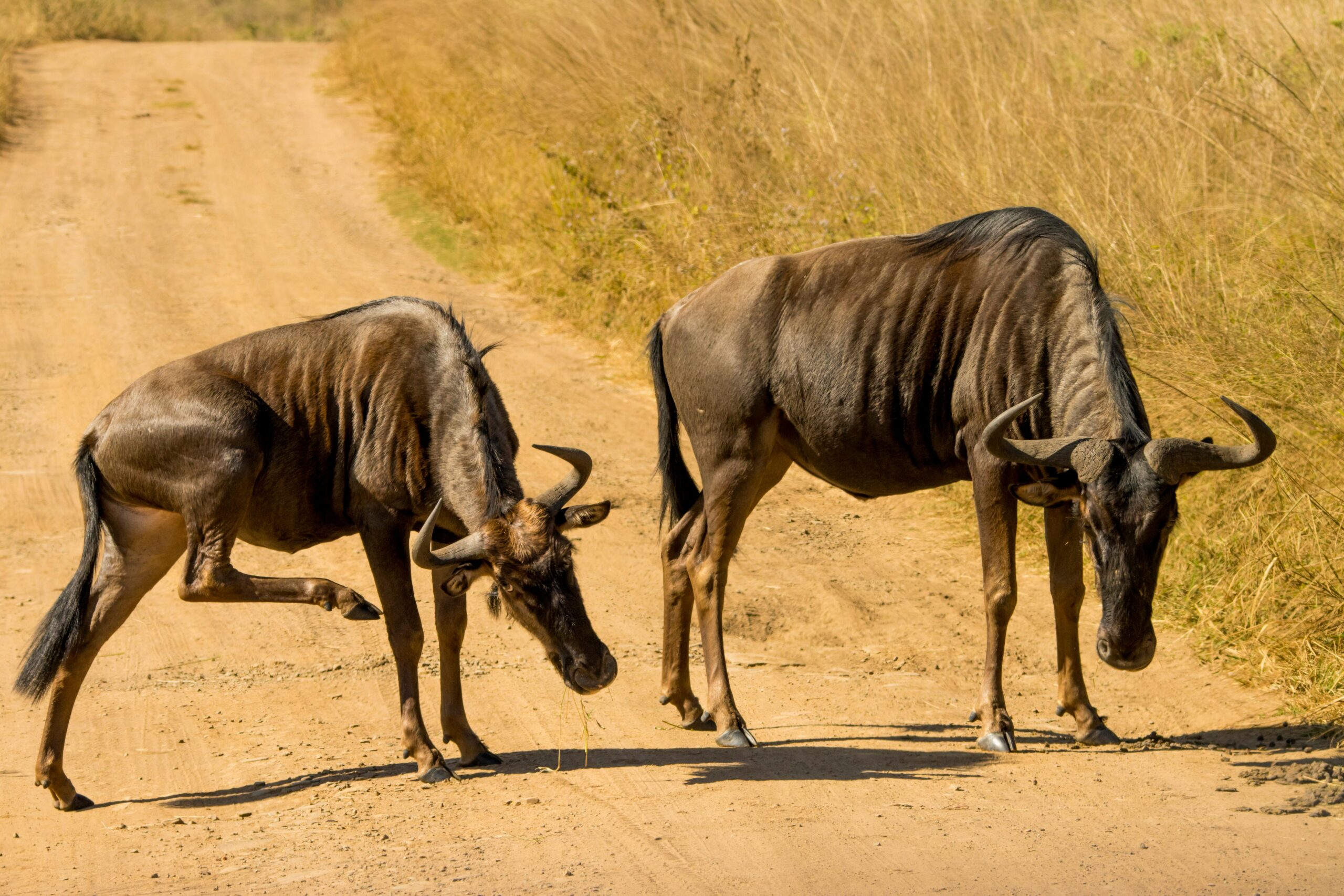
Imagine driving through a scenic route only to miss incredible wildlife moments happening just miles away. Real-time wildlife sightings rerouting is revolutionizing how travelers experience nature.

🦁 The Revolution of Wildlife-Connected Navigation
Modern technology has transformed the way we explore natural habitats and national parks. Gone are the days when spotting wildlife was purely a matter of luck and timing. Today’s travelers can leverage sophisticated systems that combine GPS navigation with crowdsourced wildlife sighting data to optimize their routes in real-time.
This innovative approach to wildlife tourism merges the convenience of modern navigation apps with the thrill of wildlife observation. By tapping into networks of fellow travelers, park rangers, and automated detection systems, drivers can adjust their journeys to increase their chances of encountering rare and magnificent creatures in their natural environments.
How Real-time Wildlife Rerouting Actually Works
The technology behind wildlife sightings rerouting relies on several interconnected systems working simultaneously. At its core, the process involves data collection, verification, analysis, and distribution to active users in the vicinity.
📱 Data Collection and Community Contributions
Wildlife sighting platforms depend heavily on community participation. When travelers spot animals during their journeys, they can instantly report the sighting through dedicated mobile applications. These reports typically include the species identified, exact GPS coordinates, timestamp, photographic evidence, and behavioral observations.
Advanced systems also integrate with park ranger networks, wildlife monitoring stations, and even AI-powered camera traps that automatically detect and classify animals. This multi-source approach ensures comprehensive coverage across vast natural areas where cellular coverage permits connectivity.
Verification and Quality Control Mechanisms
Not all sighting reports carry equal weight. Sophisticated algorithms evaluate each submission based on multiple factors including the reporter’s historical accuracy, photographic evidence quality, species probability in that location, and corroboration from other nearby users.
Verified contributors with consistent accuracy records receive priority status, meaning their reports trigger faster notifications and influence routing suggestions more significantly. This gamification element encourages quality over quantity in community contributions.
🗺️ Strategic Route Optimization for Wildlife Encounters
The real magic happens when navigation systems dynamically adjust recommended routes based on current wildlife activity. Unlike static maps showing historical hotspots, these intelligent systems respond to what’s happening right now.
Understanding the Algorithm Behind the Scenes
When you input a destination, the system doesn’t just calculate the fastest route. It simultaneously analyzes recent wildlife sightings along all possible paths to your destination. The algorithm weighs factors including travel time increase, wildlife species rarity, sighting freshness, and your stated preferences for which animals you’d most like to see.
For instance, if someone reports a leopard sighting just 15 minutes ago along an alternative route that adds only 20 minutes to your journey, the system might suggest the detour. You maintain full control, with the option to accept, decline, or customize alerts based on specific species or maximum time additions you’re willing to accept.
Customizable Wildlife Preferences
Different travelers have different priorities. Some visitors desperately want to see apex predators like bears or big cats, while others are equally thrilled by rare bird species or unique reptiles. Effective wildlife rerouting systems allow users to create detailed preference profiles.
- Priority species lists that trigger immediate notifications
- Maximum acceptable detour times for different animal categories
- Seasonal migration patterns that automatically adjust preferences
- Photography-focused settings that prioritize sightings with optimal lighting conditions
- Family-safe options that avoid potentially dangerous animal encounters
Real-world Benefits for Different Types of Travelers
The practical advantages of wildlife sightings rerouting extend across various traveler categories, each finding unique value in this technology.
🎒 Wildlife Photographers and Enthusiasts
Professional and amateur wildlife photographers benefit enormously from real-time sighting information. Instead of spending days waiting in blinds hoping for the perfect shot, photographers can position themselves based on current animal movements and behaviors reported by the community.
Time is precious when traveling to remote locations, and this technology maximizes productive shooting opportunities. Photographers report increasing their successful wildlife encounter rate by 60-80% when using rerouting systems compared to traditional scouting methods.
Families and Educational Groups
For families traveling with children or educational tour groups, wildlife rerouting transforms potentially monotonous drives into exciting adventures. The anticipation of reaching a recently reported sighting location creates engagement and teaches children about animal behavior, habitats, and conservation.
Teachers and tour guides can use these systems to create spontaneous educational moments, discussing why certain animals appear in specific locations, what they might be doing at different times of day, and how ecosystems function.
Safari Operators and Tour Companies
Professional safari operations have rapidly adopted wildlife tracking technology to enhance client satisfaction. Guides equipped with real-time sighting data can adjust itineraries on the fly, dramatically improving the quality of wildlife encounters their clients experience.
This technology has become a competitive differentiator in the tourism industry, with operators offering “smart safaris” commanding premium prices for experiences enhanced by real-time wildlife intelligence.
🌍 Conservation Implications and Ecological Benefits
Beyond tourism advantages, wildlife sightings networks generate valuable data for conservation efforts and ecological research.
Citizen Science at Scale
Every wildlife sighting reported contributes to vast databases that researchers use to track animal populations, movement patterns, and behavioral changes over time. This crowdsourced approach to wildlife monitoring covers far greater areas than traditional research methods could achieve with limited funding and personnel.
Conservation organizations now partner with wildlife sighting platforms to access aggregated data that informs habitat protection decisions, migration corridor identification, and species recovery programs.
Reducing Human-Wildlife Conflict
Real-time animal location data also serves safety purposes. When potentially dangerous wildlife appears near populated areas or high-traffic roads, the same notification systems that alert tourists can warn local residents and authorities.
This early warning capability has proven effective in reducing vehicle collisions with large animals and preventing dangerous encounters between humans and predators, protecting both species in the process.
Technological Requirements and Accessibility
Implementing wildlife rerouting systems requires certain technological infrastructure, though accessibility continues to improve as technology advances.
📶 Connectivity Challenges in Remote Areas
The primary limitation of real-time wildlife tracking is reliable cellular or satellite connectivity. Many prime wildlife areas have limited or no cell coverage, creating gaps in the sighting network.
Innovative solutions are emerging, including mesh network technologies where vehicles within range share data with each other, satellite-connected relay stations at strategic points, and offline mode capabilities that store recently downloaded sighting data for temporary access without connectivity.
Device and Application Options
Most wildlife rerouting systems function through smartphone applications compatible with both iOS and Android devices. These apps integrate with standard navigation functions while adding the wildlife intelligence layer.
Some premium systems offer dedicated GPS devices with wildlife tracking capabilities built-in, useful for extended wilderness trips where smartphone battery life and connectivity are concerns.
🦒 Popular Destinations Leading the Wildlife Tech Revolution
Certain regions have embraced wildlife sighting technology more rapidly than others, creating model systems that other areas increasingly replicate.
African Safari Destinations
National parks across Kenya, Tanzania, South Africa, and Botswana have become laboratories for wildlife tracking technology. The high concentration of charismatic megafauna combined with well-established tourism infrastructure makes these locations ideal for implementing sophisticated sighting networks.
Parks like Kruger National Park in South Africa have developed comprehensive digital ecosystems where visitors, guides, and rangers all contribute to and benefit from real-time wildlife information sharing.
North American National Parks
Yellowstone, Yosemite, and other major North American parks have seen growing adoption of wildlife sighting apps. While cellular coverage remains challenging in many areas, strategic tower placement in high-traffic zones enables functionality for millions of annual visitors.
These systems have proven particularly valuable for managing crowds around popular wildlife like bears, wolves, and bison, distributing viewer attention across wider areas rather than concentrating everyone at the same hotspots.
Privacy, Ethics, and Responsible Wildlife Viewing
As with any technology intersecting with nature, wildlife rerouting systems raise important ethical considerations that responsible operators must address.
🛡️ Protecting Sensitive Species and Locations
Not all wildlife sightings should be publicly shared. Endangered species, nesting sites, and animals with dependent young require protection from excessive human attention. Advanced systems incorporate geofencing and species sensitivity filters that automatically suppress certain reports from public distribution.
Park authorities can designate protected zones where sighting reports are restricted to researchers and rangers only, preventing crowds from disturbing vulnerable animals during critical life stages.
Encouraging Ethical Viewing Practices
Responsible wildlife tracking platforms include educational components that teach users about safe viewing distances, non-disruptive behavior, and the importance of respecting animal welfare above photo opportunities.
Many apps implement automatic reminders about viewing ethics when users report sightings or accept routing suggestions to animal locations, gradually building a culture of responsible wildlife tourism within the user community.
The Future of Wildlife-Connected Travel
Emerging technologies promise to make wildlife encounter optimization even more sophisticated and accessible in coming years.
🤖 Artificial Intelligence and Predictive Modeling
Machine learning algorithms are beginning to move beyond reactive sighting reports to predictive wildlife location modeling. By analyzing historical patterns, weather conditions, seasonal variables, and recent sightings, AI systems can forecast where specific animals are likely to appear with increasing accuracy.
This predictive capability could eventually allow travelers to plan multi-day itineraries optimized not just for current wildlife locations but for anticipated animal movements throughout their visit.
Augmented Reality Integration
Future systems may overlay wildlife information directly onto windshields or smart glasses, providing seamless integration of digital tracking data with physical viewing experiences. Imagine seeing subtle indicators of nearby animals or historical sighting density maps superimposed on the landscape as you drive.
🚗 Making the Most of Your Wildlife Journey
To maximize the benefits of real-time wildlife rerouting during your travels, consider these practical strategies.
Preparation Before Your Trip
Research which wildlife tracking systems are most active in your destination region. Download relevant applications before departure and familiarize yourself with their interfaces. Configure your wildlife preferences to match your interests and time constraints for your specific trip.
Check whether your destination has adequate cellular coverage or if you’ll need alternative solutions like satellite communicators or offline map downloads.
Active Participation and Contribution
The quality of any crowdsourced system depends on active community participation. When you spot wildlife, take a moment to report it accurately. Your sighting could transform someone else’s journey and contribute valuable data to conservation efforts.
Include clear photos when possible, note animal behavior and direction of movement, and update your reports if circumstances change. Building a reputation as a reliable contributor enhances your own experience through priority access to verified sighting networks.
Balancing Technology with Spontaneous Discovery
While wildlife rerouting technology significantly improves encounter probabilities, maintain space for unplanned discoveries. Some of the most memorable wildlife moments happen when you’re not actively searching, so avoid becoming so focused on your device that you miss what’s happening around you.
Use technology as an enhancement tool rather than letting it dominate your entire nature experience. The goal is augmenting your journey, not replacing the authentic connection with wild places and creatures.

Transforming How We Experience Wild Places 🌿
Real-time wildlife sightings rerouting represents a fundamental shift in how humans interact with nature during travels. By combining traditional navigation with dynamic wildlife intelligence, these systems create opportunities for more meaningful animal encounters while simultaneously generating data that supports conservation efforts.
As technology continues advancing and adoption spreads across more destinations worldwide, the gap between casual nature tourism and serious wildlife observation continues narrowing. Families, photographers, researchers, and adventure seekers all benefit from knowing where animals are currently active rather than hoping to stumble upon them by chance.
The most successful implementations balance technological sophistication with ethical considerations, ensuring that increased human access to wildlife doesn’t compromise animal welfare or habitat integrity. When designed thoughtfully, these systems can actually reduce environmental impact by concentrating human presence along established routes while providing richer experiences that foster conservation awareness.
Whether you’re planning your first safari, regularly visit national parks, or simply enjoy occasional wildlife watching during road trips, exploring the available wildlife tracking technologies for your destinations can dramatically enhance your experiences. The intersection of navigation convenience and wildlife wonder creates journeys that are simultaneously more efficient and more magical than ever before possible.
The future of wildlife tourism is connected, intelligent, and increasingly accessible to everyone carrying a smartphone and harboring curiosity about the natural world surrounding us all.