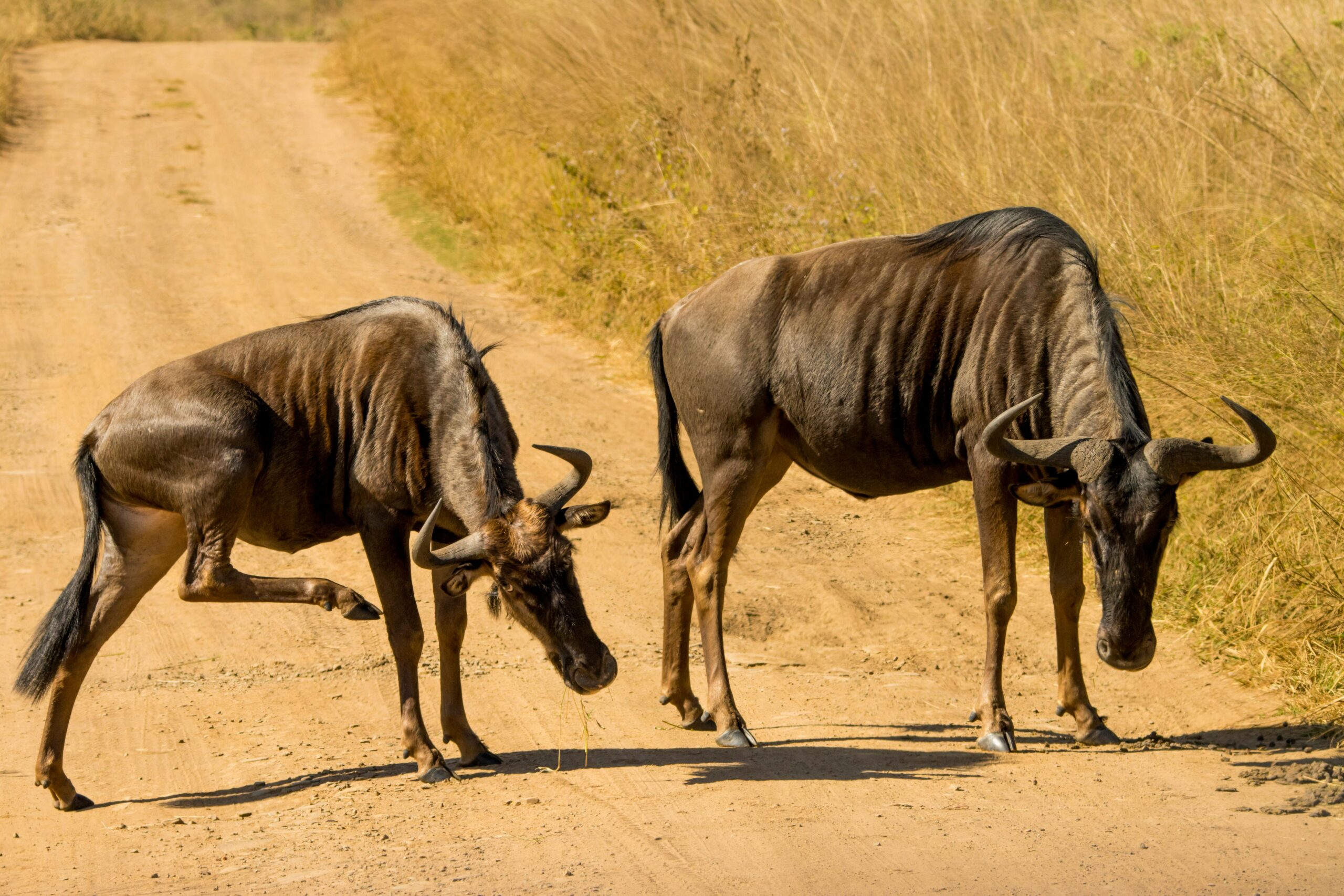
Camera traps have revolutionized wildlife monitoring and security surveillance, offering unprecedented validation of safe passage routes while providing stakeholders with verifiable evidence and ultimate peace of mind.

🔍 The Revolutionary Technology Behind Camera Traps
Camera traps represent a significant breakthrough in both conservation efforts and security applications. These motion-activated devices capture images and videos automatically when movement triggers their sensors, creating an unbiased documentary record of activity in specific areas. Unlike human observation, camera traps work tirelessly around the clock, operating in complete darkness through infrared technology and requiring minimal maintenance once properly positioned.
The technology has evolved dramatically over the past decade. Modern camera traps feature high-resolution sensors, extended battery life, wireless connectivity, and sophisticated triggering mechanisms that distinguish between genuine threats and false alarms caused by swaying vegetation or small insects. This technological maturity has made camera traps indispensable tools for validating safe routes in various contexts, from wildlife corridors to school zones and industrial facilities.
📊 Understanding Route Validation Through Visual Evidence
Route validation goes far beyond simple surveillance. It involves systematic documentation that proves certain pathways are safe, functional, and free from hazards. Camera traps excel at this mission because they provide objective, timestamped evidence that can be analyzed, shared, and archived for future reference. This documentation becomes invaluable when making decisions about route usage, infrastructure investment, or safety protocols.
The visual evidence gathered by camera traps serves multiple stakeholders. Parents gain confidence knowing school routes are monitored and safe. Wildlife conservationists can demonstrate that animal corridors remain unobstructed and functional. Property managers can verify that evacuation routes stay clear and accessible. Transportation planners can document pedestrian traffic patterns to optimize infrastructure improvements.
The Psychology of Verified Safety
Peace of mind isn’t just about actual safety—it’s about perceived safety backed by evidence. Camera trap documentation bridges this gap perfectly. When people can see photographic proof that routes are regularly monitored, properly maintained, and free from dangers, their confidence increases measurably. This psychological benefit translates into higher route usage, better community engagement, and increased trust in safety measures.
🌲 Wildlife Corridors: Proving Nature’s Safe Passages
One of the most compelling applications of camera trap technology involves validating wildlife corridors. As human development fragments natural habitats, these corridors become critical lifelines connecting isolated populations. Camera traps provide the proof needed to justify their protection and demonstrate their effectiveness.
Biologists deploy camera traps strategically along suspected migration routes and wildlife crossings. The resulting images reveal which species use these corridors, how frequently they traverse them, and whether the pathways remain functional despite nearby human activity. This evidence has proven instrumental in convincing policymakers to fund wildlife bridges over highways, protect riparian corridors, and maintain green belts through urban areas.
Documenting Successful Crossings
The most powerful camera trap images show animals successfully navigating human-made structures designed for their safety. Photos of bears crossing highway overpasses, deer using tunnels beneath busy roads, or mountain lions traversing protected corridors provide undeniable validation that these investments work. Such documentation justifies continued funding and inspires similar projects elsewhere.
- Timestamped evidence of species diversity using corridors
- Behavioral patterns showing comfort levels with crossing structures
- Generational usage proving long-term viability
- Seasonal variation data informing management decisions
- Photographic proof countering skepticism about conservation spending
🏫 School Zones and Pedestrian Routes: Protecting Our Communities
Camera traps adapted for urban environments play a crucial role in validating pedestrian safety routes, particularly near schools. These systems monitor crosswalks, walking paths, and designated safe zones, ensuring they remain free from vehicles, obstructions, or suspicious activity. The documentation they provide reassures parents while holding municipalities accountable for maintaining safe infrastructure.
Modern pedestrian safety camera systems integrate with smart city infrastructure, automatically alerting authorities when hazards appear in protected zones. If a vehicle parks illegally in a school crossing zone or an obstruction blocks a designated walking path, the system captures evidence and can trigger appropriate responses. This proactive approach prevents accidents before they occur rather than merely documenting incidents afterward.
Building Community Confidence Through Transparency
Many communities now share selected camera trap footage through public dashboards, demonstrating their commitment to pedestrian safety. These transparency initiatives show parents that designated routes remain monitored and safe. Seeing real-time or recent footage of clear, well-lit pathways with appropriate traffic controls builds confidence that encourages families to choose walking over driving, reducing congestion and improving children’s health.
🏭 Industrial and Emergency Route Verification
In industrial settings, emergency evacuation routes must remain clear and accessible at all times. However, the reality of busy facilities means these critical pathways often become temporary storage areas or accumulate obstacles during routine operations. Camera traps positioned along evacuation routes provide continuous verification that these lifesaving passages remain functional.
The documentation serves multiple purposes. Safety managers can review footage to ensure compliance with regulations. Insurance companies value photographic proof of maintained evacuation routes. During inspections, timestamped images demonstrate consistent compliance rather than temporary preparations for auditor visits. Most importantly, employees gain peace of mind knowing their emergency exits are genuinely available when needed.
| Route Type | Primary Concern | Camera Trap Benefit | Stakeholder Impact |
|---|---|---|---|
| Wildlife Corridors | Habitat connectivity | Species documentation | Conservation validation |
| School Zones | Child safety | Hazard detection | Parental confidence |
| Emergency Exits | Accessibility compliance | Continuous monitoring | Regulatory assurance |
| Hiking Trails | User safety | Condition documentation | Visitor peace of mind |
🥾 Recreation Routes: Trail Safety and Maintenance Verification
Popular hiking trails, bike paths, and recreational routes require ongoing maintenance to remain safe. Camera traps positioned at strategic locations document trail conditions, identify developing hazards, and even help locate lost or injured visitors. Park managers use this information to prioritize maintenance efforts and communicate current conditions to the public.
Trail camera systems can detect fallen trees blocking paths, erosion creating dangerous conditions, or wildlife activity that might concern hikers. This early warning system allows maintenance crews to address issues before accidents occur. The documentation also provides valuable data about trail usage patterns, helping managers understand which routes need capacity improvements or which areas experience excessive environmental impact.
Enhancing Visitor Experience Through Verified Information
Modern outdoor recreation increasingly depends on accurate, current information. Hikers check trail conditions before embarking on journeys, wanting assurance that routes remain safe and passable. Camera trap networks feeding information to trail apps and websites provide this verification. Knowing that a trail was documented as clear and safe within the past 24 hours gives outdoor enthusiasts confidence to explore with peace of mind.
🔐 Security Applications: Validating Protected Perimeters
Beyond route verification, camera traps validate the integrity of protected perimeters and secured areas. Conservation areas use them to detect poaching activity along access routes. Private properties monitor boundary pathways. Archaeological sites protect artifact-rich zones. In each application, camera traps provide evidence that security measures function effectively and protected areas remain undisturbed.
The deterrent effect of visible camera trap systems shouldn’t be underestimated. When potential trespassers know their movements will be documented, they typically choose alternative routes or abandon problematic intentions entirely. This prevention is far more valuable than merely capturing evidence of violations after they occur. The peace of mind comes from knowing security measures actively discourage problems rather than simply recording them.
📱 Integration with Mobile Technology and Real-Time Alerts
The latest camera trap systems integrate seamlessly with smartphone technology, providing real-time alerts and remote access to captured footage. Property managers, conservation officers, and safety coordinators can receive immediate notifications when cameras detect activity along monitored routes. This instant awareness enables rapid response when necessary while providing reassurance during normal operations.
Mobile applications transform camera trap data from passive archives into active management tools. Users can review footage from anywhere, adjust camera settings remotely, and share significant captures with relevant stakeholders instantly. This connectivity amplifies the peace-of-mind factor because responsible parties maintain constant awareness of monitored route conditions without physically visiting each location.
🌐 Data Analysis: Transforming Images into Actionable Intelligence
Modern camera trap systems generate enormous volumes of imagery. The real value emerges when this raw data transforms into actionable intelligence through analysis. Advanced software now automates species identification, counts individuals, tracks movement patterns, and flags unusual activity. This analysis reveals insights impossible to detect through casual observation of individual images.
Pattern recognition algorithms identify trends that validate route effectiveness or reveal developing problems. If wildlife corridor cameras show declining usage, managers can investigate potential causes before connectivity fails completely. If pedestrian route cameras detect increasing nighttime activity, lighting improvements might be warranted. This predictive capability prevents problems rather than merely documenting them after they manifest.
Long-Term Monitoring Reveals Environmental Changes
Camera trap archives spanning years or decades document environmental changes with scientific precision. Shifting species distributions, altered migration timings, and changing behavior patterns all appear in these photographic records. For conservation routes, this long-term documentation proves whether protected corridors maintain their ecological function despite external pressures like climate change or development encroachment.
💡 Best Practices for Camera Trap Deployment
Effective route validation requires strategic camera placement and proper system configuration. Cameras should monitor critical decision points where route users might encounter hazards or make navigation choices. Coverage should be comprehensive enough to provide meaningful documentation without creating privacy concerns or generating unmanageable data volumes.
Camera height, angle, and triggering sensitivity must be optimized for the specific monitoring objective. Wildlife cameras typically mount lower and use wider detection zones than security cameras. Pedestrian route cameras might focus on specific hazard areas like crosswalks or intersections. Industrial safety cameras need positioning that clearly documents route accessibility without interfering with operations.
- Position cameras to capture clear, identifiable images of subjects
- Ensure adequate lighting or infrared capability for nighttime monitoring
- Protect equipment from weather, vandalism, and wildlife damage
- Establish regular maintenance schedules for battery replacement and data retrieval
- Configure triggering sensitivity to minimize false activations
- Implement secure data storage with appropriate access controls
- Develop clear protocols for reviewing and responding to captured footage
🎯 Privacy Considerations and Ethical Implementation
Camera trap deployment must balance safety validation against privacy rights and ethical concerns. In wildlife applications, these issues rarely arise, but monitoring pedestrian routes or public spaces requires careful consideration. Clear signage should inform people they’re entering monitored areas. Data retention policies must align with legal requirements and ethical standards. Access to footage should be restricted to authorized personnel with legitimate need.
Ethical implementation also considers the psychological impact of surveillance. While camera systems provide peace of mind through verified safety, excessive monitoring can create discomfort or feelings of constant scrutiny. The goal is reassurance through verification, not oppressive surveillance that diminishes quality of life. Striking this balance requires thoughtful system design and transparent communication about monitoring purposes and data usage.
🚀 Future Developments in Route Validation Technology
Emerging technologies promise even more sophisticated route validation capabilities. Artificial intelligence will enable real-time threat assessment, distinguishing between normal activity and genuine hazards requiring intervention. Drone-mounted cameras will provide aerial route verification for areas where ground-based systems prove impractical. Integration with GPS tracking and geographic information systems will create comprehensive spatial awareness of route conditions across entire networks.
Solar-powered systems with satellite connectivity will enable camera trap deployment in remote locations previously too difficult to monitor. Miniaturization will allow discreet installation that captures necessary documentation without visual impact. Enhanced battery technology will extend deployment periods between maintenance visits. These advances will make comprehensive route validation practical for applications currently constrained by technical or economic limitations.

✨ The Peace of Mind Promise: Verified Safety Through Visual Evidence
Camera traps deliver something invaluable in our uncertain world: verified safety backed by objective evidence. Whether protecting wildlife corridors, validating pedestrian routes, ensuring emergency exit accessibility, or monitoring recreational trails, these systems provide documentation that transforms hope into certainty. Stakeholders no longer wonder whether routes remain safe—they know because cameras prove it continuously.
This verification creates ripple effects throughout communities and ecosystems. Parents confidently allow children to walk to school on documented safe routes. Conservation investments gain support through proven effectiveness. Industrial facilities demonstrate genuine commitment to safety rather than mere regulatory compliance. Outdoor enthusiasts explore with confidence based on current trail conditions. In every application, camera traps validate that designated routes fulfill their intended purpose, delivering the ultimate peace of mind that comes from seeing proof with your own eyes.
The technology continues evolving, but the fundamental value proposition remains constant: camera traps transform abstract safety concepts into concrete visual evidence. They capture the proof that routes work as intended, remain free from hazards, and deserve the trust placed in them. This documentation doesn’t just validate routes—it validates the decisions, investments, and policies that created them, ensuring that safety measures deliver real protection rather than false reassurance.