Drones are transforming wildlife conservation by providing unprecedented aerial perspectives, enabling scientists to monitor endangered species and map critical habitats with remarkable precision and efficiency.

🦅 The Dawn of Aerial Conservation Technology
The intersection of technology and conservation has reached a pivotal moment. Traditional wildlife surveying methods, while valuable, often prove time-consuming, expensive, and sometimes disruptive to the very ecosystems researchers aim to protect. Enter unmanned aerial vehicles (UAVs), commonly known as drones, which have emerged as game-changing tools in the conservationist’s arsenal.
These sophisticated flying cameras offer what ground-based teams could only dream of decades ago: comprehensive, bird’s-eye views of vast territories, captured in hours rather than weeks. From the African savannas to Arctic tundra, conservation drones are rewriting the rules of ecological monitoring and species protection.
The revolution isn’t merely about convenience. Drone technology addresses fundamental challenges that have long plagued wildlife research: accessing remote locations, minimizing human disturbance, collecting repeatable data, and doing so within realistic budget constraints. As climate change accelerates and habitat loss intensifies, these capabilities have become not just advantageous but essential.
📊 Precision Population Counts From Above
Accurate population assessments form the backbone of effective conservation strategies. Historically, counting wildlife populations involved labor-intensive ground surveys, aerial manned flights, or camera trap networks—each with significant limitations. Drones have fundamentally changed this equation.
Modern conservation drones equipped with high-resolution cameras can systematically survey large areas, capturing detailed imagery that researchers analyze to identify and count individual animals. The precision is remarkable: studies have shown that drone counts can achieve accuracy rates exceeding 95% for many species, particularly in open habitats.
Advantages Over Traditional Counting Methods
The superiority of drone surveys becomes apparent when examining specific use cases. In seal colonies along remote coastlines, researchers previously relied on boat-based counts or risky cliff-edge observations. Drones now fly predetermined grid patterns, photographing entire colonies in systematic sweeps. The resulting images can be analyzed multiple times, peer-reviewed, and archived for long-term comparisons.
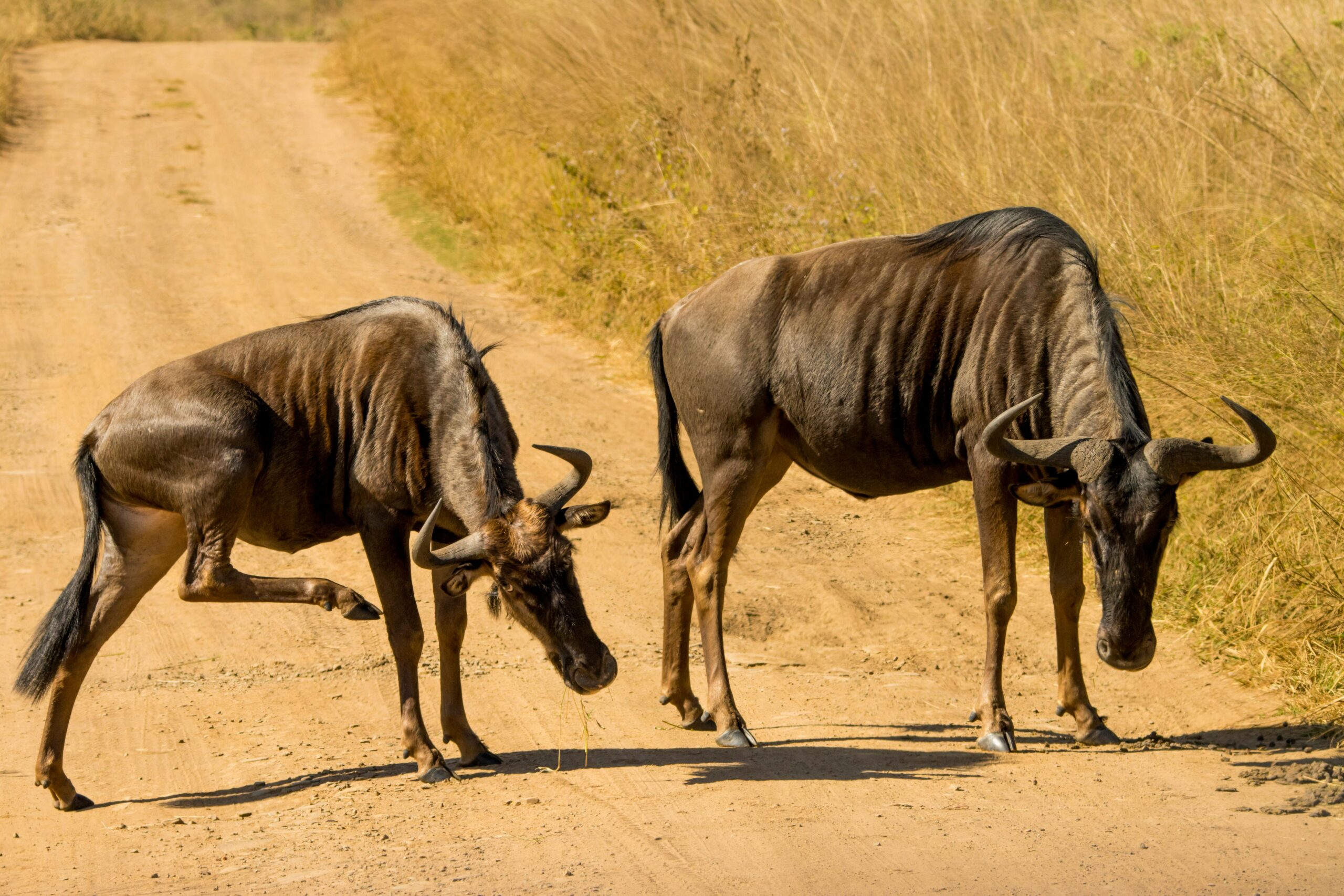
For large mammals like elephants, giraffes, or wildebeest, drones provide non-invasive monitoring that doesn’t trigger the stress responses often associated with low-flying helicopters. The quieter operation and higher altitude capabilities mean animals continue their natural behaviors, yielding more accurate behavioral data alongside population figures.
Thermal imaging cameras mounted on drones have opened entirely new possibilities for nocturnal species and those inhabiting dense vegetation. Body heat signatures reveal animals invisible to standard cameras, enabling counts of elusive creatures like pangolins, nocturnal primates, or forest-dwelling ungulates that would otherwise remain uncounted.
🗺️ Habitat Mapping With Unprecedented Detail
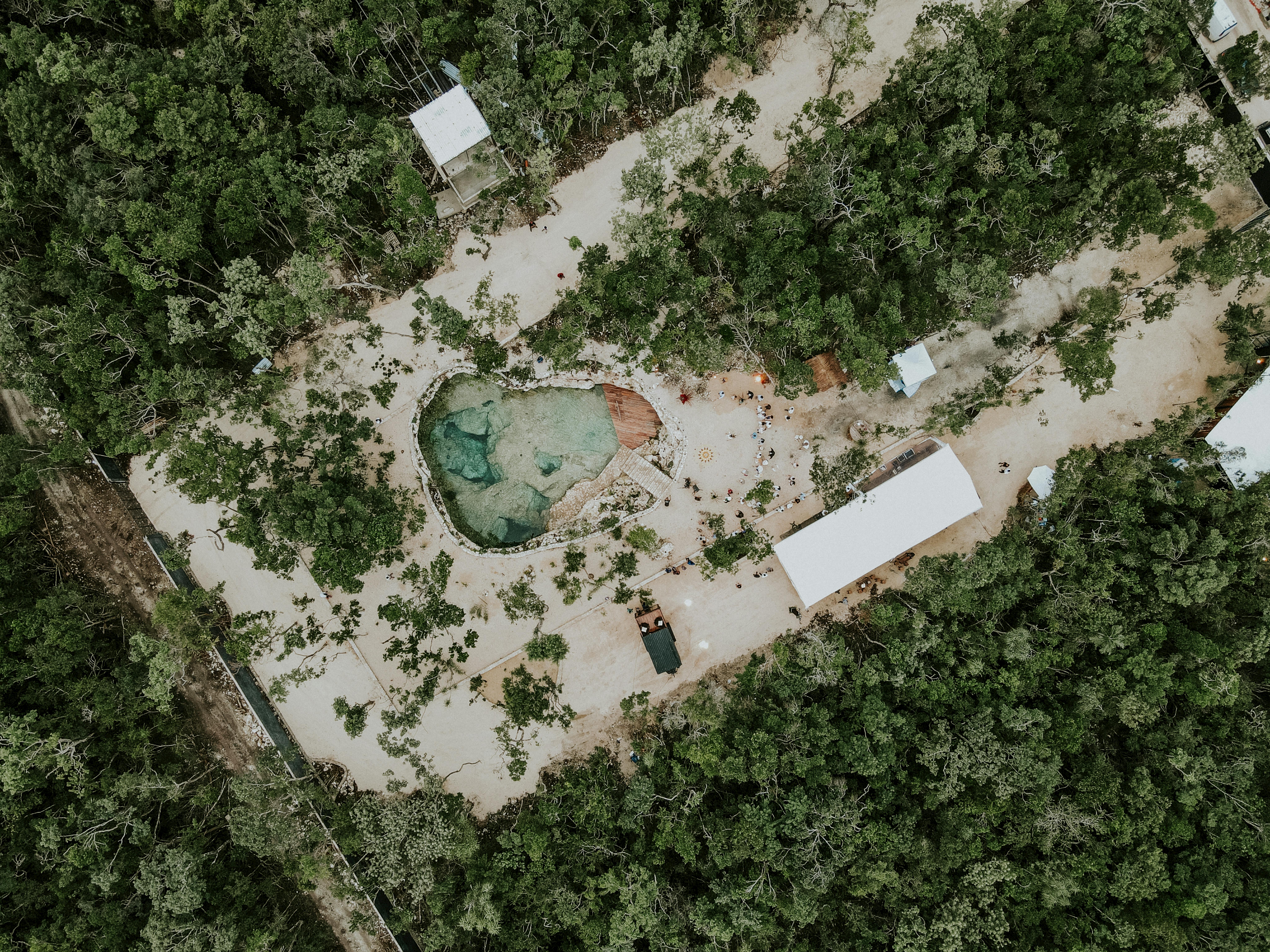
Beyond counting animals, understanding their habitats constitutes equally critical conservation work. Drone technology has revolutionized habitat mapping through techniques like photogrammetry and multispectral imaging, creating detailed three-dimensional models and vegetation assessments that inform land management decisions.
Photogrammetry involves capturing hundreds or thousands of overlapping images that specialized software stitches together, creating detailed orthomosaic maps and 3D terrain models. These outputs reveal habitat features at resolutions impossible with satellite imagery, identifying individual trees, water sources, game trails, and microhabitat variations that influence species distribution.
Multispectral and Hyperspectral Capabilities
Advanced drone sensors capture data beyond the visible spectrum, measuring how vegetation reflects different wavelengths of light. This multispectral data reveals plant health, species composition, water stress, and ecological productivity—critical factors determining habitat quality.
Conservation projects worldwide now use these capabilities to identify degraded areas requiring restoration, map invasive plant species threatening native ecosystems, and monitor vegetation recovery following conservation interventions. The normalized difference vegetation index (NDVI) and other metrics derived from multispectral imagery provide quantifiable measures of ecosystem health over time.
In aquatic environments, drones equipped with specialized cameras map coral reef health, seagrass meadows, and coastal wetlands. These underwater ecosystems, traditionally challenging and expensive to survey, become accessible through aerial platforms that capture shallow-water habitats with remarkable clarity.
🌍 Real-World Conservation Success Stories
The theoretical advantages of drone technology translate into tangible conservation victories across diverse ecosystems and species. These success stories demonstrate not just technological capability but practical impact on species survival and ecosystem protection.
Protecting Orangutans in Borneo
In the fragmented rainforests of Borneo, conservationists use drones to map remaining orangutan habitat and count nesting sites. The dense canopy that frustrates ground surveys becomes transparent from above, with drones identifying individual nests constructed in the forest canopy. This data informs corridor creation between forest fragments, helping maintain genetic connectivity in critically endangered orangutan populations.
Marine Megafauna Monitoring
Coastal conservation programs employ drones to monitor whale migrations, sea turtle nesting beaches, and shark populations in near-shore waters. The aerial perspective reveals aggregation patterns, breeding behaviors, and human-wildlife conflict zones, such as areas where fishing activities overlap with whale feeding grounds or turtle habitats.
One particularly innovative application involves using drones to collect whale blow samples—the mist exhaled through blowholes—which contains DNA, hormones, and microbiome information. This completely non-invasive health assessment technique would be impossible without drone technology.
Anti-Poaching Operations
Perhaps most urgently, drones have become valuable tools in protecting wildlife from illegal hunting. Rangers deploy UAVs equipped with thermal cameras for night patrols across protected areas, detecting poachers and alerting ground teams to their locations. In some African reserves, the mere knowledge that drone surveillance occurs has demonstrably deterred poaching activity.
⚙️ Technical Considerations and Equipment
Successful conservation drone programs require careful equipment selection and operational planning. The market offers numerous drone platforms, each with distinct capabilities suited to different conservation applications.
Fixed-Wing Versus Multirotor Drones
Multirotor drones, typically quadcopters, offer vertical takeoff and landing, stable hovering, and excellent maneuverability in confined spaces. These characteristics make them ideal for detailed inspections, small area surveys, and operations in forested or complex terrain. However, their flight times typically range from 20-40 minutes, limiting coverage area.
Fixed-wing drones resemble small airplanes, achieving significantly longer flight times—often 60-90 minutes or more—and covering much larger areas in single flights. They excel at systematic surveys of expansive habitats like grasslands, wetlands, or coastal zones. The trade-off includes requiring clear launch and landing areas and less capability for detailed hovering inspections.
Camera and Sensor Selection
RGB cameras capture standard color imagery suitable for many applications, from elephant counts in open savannas to habitat structure assessment. Resolution matters: higher megapixel counts enable flying at greater altitudes while maintaining the ground resolution needed to distinguish individual animals or habitat features.
Thermal infrared cameras detect heat signatures, proving invaluable for nocturnal surveys, detecting animals in dense vegetation, and anti-poaching patrols. Quality varies substantially across models, with professional-grade thermal sensors providing the temperature sensitivity required to distinguish wildlife from background temperatures.
Multispectral cameras capture specific light wavelengths related to vegetation health and composition. These specialized sensors represent significant investments but provide ecosystem health data impossible to obtain otherwise.
🎓 Data Processing and Analysis Workflows
Capturing drone imagery represents only the beginning. Transforming thousands of photographs into actionable conservation data requires sophisticated processing workflows and analytical techniques.
Photogrammetry software like Pix4D, Agisoft Metashape, or open-source alternatives like OpenDroneMap process image collections into orthomosaics, digital elevation models, and 3D point clouds. These outputs become the base layers for habitat analysis, change detection, and spatial modeling.
Manual Versus Automated Animal Detection
Traditionally, trained analysts manually review drone imagery, identifying and marking each animal individually. While accurate, this approach becomes impractical when projects generate thousands of images containing hundreds or thousands of animals.
Artificial intelligence and machine learning now automate much of this process. Convolutional neural networks trained on labeled wildlife images can automatically detect and count animals with accuracy approaching or exceeding human analysts. These algorithms continuously improve as they process more data, learning to distinguish species, age classes, and even individual identification marks.
Deep learning models also identify habitat features, map vegetation types, and detect changes over time—tasks that would consume weeks of human effort. Conservation organizations increasingly adopt these tools, though human oversight remains essential for quality control and handling edge cases that algorithms struggle with.
📋 Regulatory and Ethical Considerations
The proliferation of conservation drones operates within complex regulatory frameworks that vary internationally. Responsible drone operations require understanding and compliance with aviation regulations, privacy laws, and ethical guidelines specific to wildlife research.
Most countries require drone pilots to obtain licenses or certifications, register aircraft above certain weight thresholds, and adhere to operational restrictions regarding altitude limits, proximity to people, and no-fly zones. Conservation projects often operate in remote areas where enforcement may be minimal, but compliance remains both legally and ethically essential.
Minimizing Wildlife Disturbance
While generally less disruptive than ground approaches or manned aircraft, drones can still disturb wildlife, particularly during sensitive periods like breeding seasons. Research into appropriate flight protocols continues evolving, with findings suggesting that maintaining adequate altitude (typically 30-50 meters minimum), avoiding direct approaches, and limiting flight duration minimizes behavioral disruption.
Some species habituate quickly to drone presence, while others exhibit prolonged stress responses. Responsible conservation drone operators conduct pilot studies to assess species-specific responses and adapt protocols accordingly, always prioritizing animal welfare over data collection convenience.
💡 Future Horizons in Conservation Drone Technology
The rapid evolution of drone technology promises even more powerful conservation applications in coming years. Several emerging trends point toward increasingly sophisticated, autonomous, and integrated conservation monitoring systems.
Extended Flight Times and Solar-Powered Platforms
Battery technology improvements and solar-assisted platforms promise dramatically extended flight times, potentially enabling single-flight surveys of entire protected areas or sustained monitoring operations. Experimental platforms already demonstrate multi-hour endurance, hinting at future capabilities.
Swarm Intelligence and Coordinated Surveys
Multiple drones operating in coordinated swarms could simultaneously survey vast areas, providing near-instantaneous snapshots of ecosystem state across entire landscapes. This capability would revolutionize understanding of animal movements, ecosystem-wide processes, and rapid response to events like fires or illegal activities.
Real-Time Analysis and Adaptive Monitoring
Onboard processing capabilities increasingly enable real-time data analysis during flights. Drones could autonomously adjust survey patterns based on what they detect, focusing attention on areas of interest while efficiently covering routine zones. This adaptive intelligence would dramatically improve efficiency and data quality.
Integration With Broader Monitoring Networks
Conservation drones will increasingly integrate with camera trap networks, acoustic monitoring systems, satellite imagery, and citizen science observations, creating comprehensive, multi-scale monitoring ecosystems. Data fusion across these platforms will provide unprecedented insights into ecosystem dynamics and wildlife population trends.
🚀 Implementing Drone Programs in Conservation Organizations
For conservation organizations considering drone adoption, successful implementation requires more than purchasing equipment. Strategic planning, capacity building, and integration with existing conservation frameworks determine program success.
Starting small proves prudent: pilot projects targeting specific, achievable objectives build institutional knowledge and demonstrate value before scaling operations. Organizations should invest in training multiple team members, ensuring program continuity despite staff turnover.
Partnerships often accelerate success. Collaborating with universities, technology companies, or specialized conservation technology organizations provides access to expertise, equipment, and analytical capabilities that individual organizations might struggle to develop independently.
Data management infrastructure deserves early attention. Drone surveys generate enormous data volumes requiring organized storage, backup systems, and efficient processing workflows. Establishing these systems before data accumulates prevents overwhelming backlogs and ensures data remains accessible for analysis.
🌟 Transforming Conservation Through Innovation
The integration of drone technology into wildlife conservation represents more than incremental improvement—it constitutes a fundamental transformation in how we understand and protect Earth’s biodiversity. The combination of aerial perspectives, advanced sensors, and artificial intelligence provides conservationists with capabilities that seemed like science fiction mere decades ago.
As climate change accelerates ecosystem transformations and human pressures intensify, the need for efficient, accurate, and comprehensive monitoring grows ever more urgent. Drones address this need with remarkable effectiveness, providing the data foundation upon which evidence-based conservation strategies are built.
The technology continues evolving rapidly, with each advancement unlocking new conservation applications. What began as simple aerial photography now encompasses thermal imaging, multispectral analysis, automated species identification, and real-time monitoring systems that span entire ecosystems.
Yet technology alone never saves species or ecosystems. Drones succeed when integrated into holistic conservation programs that combine scientific research, community engagement, policy advocacy, and on-ground protection efforts. They amplify human capabilities rather than replacing human judgment, providing conservationists with the information needed to make informed decisions in increasingly complex situations.
The aerial revolution in wildlife conservation has only just begun. As drones become more capable, accessible, and integrated into conservation practice, their impact will continue expanding. From counting elephants in African savannas to mapping coral reefs in tropical waters, from detecting poachers in the night to tracking migratory birds across continents, these remarkable flying platforms are helping humanity fulfill its responsibility as steward of Earth’s magnificent biodiversity.
For organizations, researchers, and advocates committed to wildlife protection, embracing drone technology represents not just an option but an imperative. The eyes in the sky provide perspectives and insights that ground-based methods simply cannot match, offering hope that through innovation, dedication, and informed action, we can reverse biodiversity loss and preserve the natural world for generations yet to come.