
The planet’s smallest organisms face immense survival challenges, requiring innovative conservation approaches that recognize their unique ecological roles and vulnerabilities. Micro-conservation strategies are emerging as essential tools in protecting these diminutive species.

🌿 Understanding the Hidden Crisis of Micro-species
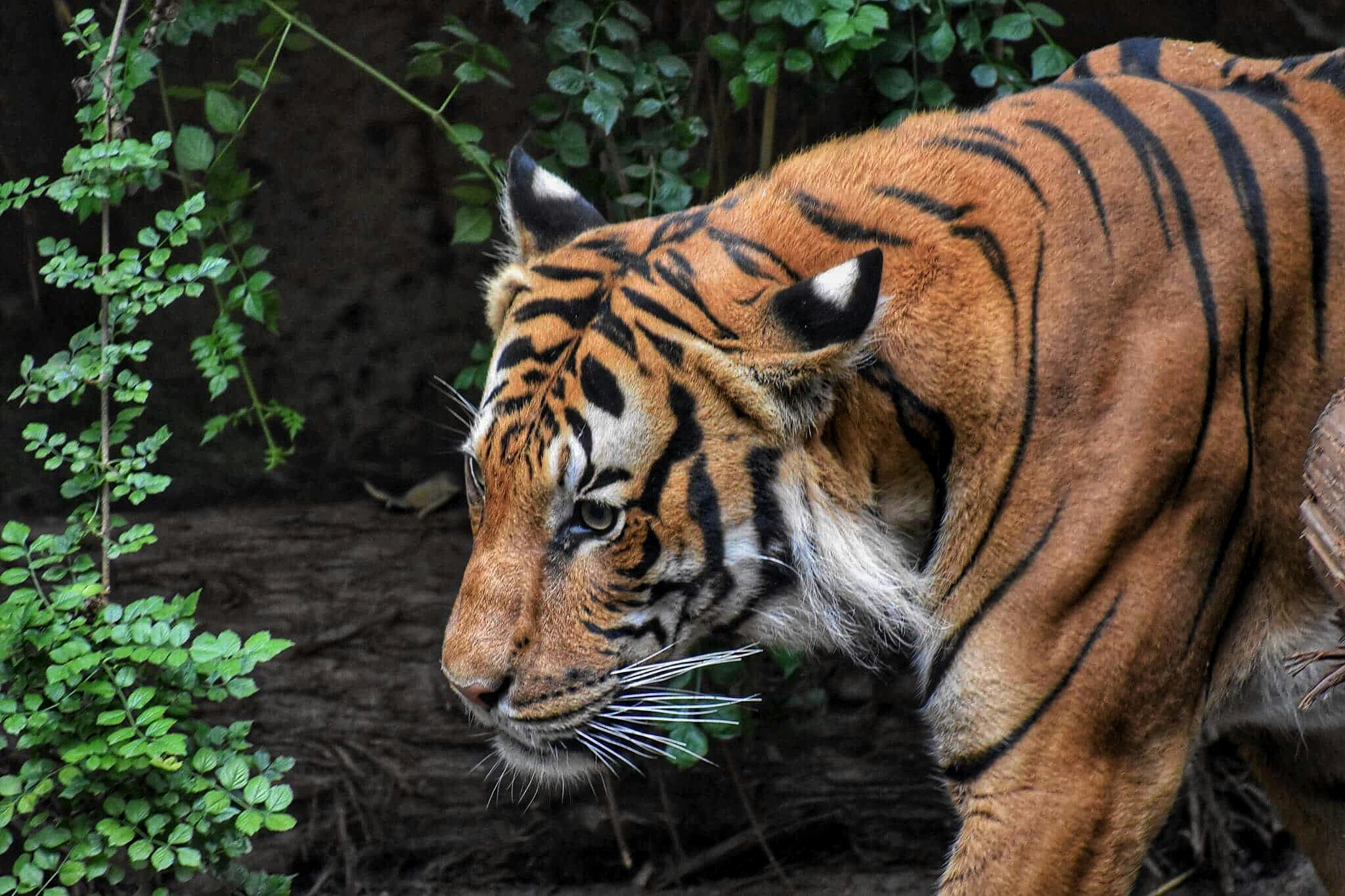
When we think about endangered species, our minds often conjure images of majestic elephants, powerful tigers, or massive whales. However, some of the most critical conservation battles are being fought on an entirely different scale. Tiny plants and diminutive amphibians face extinction threats that often go unnoticed by the general public, yet their disappearance could trigger cascading ecological consequences.
Micro-conservation focuses on species that measure mere centimeters in length or height. These include miniature orchids, moss species, tiny ferns, and some of the world’s smallest amphibians, such as certain dart frogs and microhylid species. Despite their size, these organisms play disproportionately important roles in their ecosystems, serving as pollinators, nutrient cyclers, and indicators of environmental health.
The conservation challenges facing these species differ dramatically from those affecting larger animals. Traditional protected area strategies may not address the specific microhabitat requirements of these organisms. A forest preserve might protect large mammals while inadvertently destroying the precise moisture conditions required by a rare moss species.
🐸 Why Amphibians and Plants Deserve Focused Attention
Amphibians represent one of the most threatened vertebrate groups on Earth, with nearly 41% of species facing extinction risk according to the International Union for Conservation of Nature. Small amphibian species face particular challenges due to their limited dispersal abilities, specialized habitat requirements, and extreme sensitivity to environmental changes.
Their permeable skin makes them exceptionally vulnerable to pollution, disease, and climate fluctuations. Species like the Brazilian gold frog or various poison dart frogs require specific humidity levels, temperature ranges, and vegetation structures that exist only in tiny geographical areas.
Similarly, small plant species often possess narrow ecological niches. Rare orchids might depend on specific pollinators or mycorrhizal fungi found only in particular soil types. Miniature carnivorous plants may require exact wetland conditions that are rapidly disappearing. The interconnectedness of these species with their environments means that conservation efforts must consider entire ecological systems rather than individual organisms in isolation.
🔬 Innovative Micro-conservation Techniques
Modern conservation science has developed sophisticated approaches specifically designed for protecting small species. These strategies recognize that traditional methods often fail when applied to organisms with specialized requirements and limited ranges.
Microhabitat Reconstruction and Management
Creating and maintaining precise environmental conditions represents a cornerstone of micro-conservation. Scientists now employ detailed environmental monitoring systems that track temperature, humidity, soil chemistry, and light levels with unprecedented precision. These data inform habitat management decisions that might involve:
- Adjusting canopy cover to create specific light conditions for understory plants
- Managing water flow patterns to maintain critical moisture gradients
- Controlling invasive species at microscales to preserve native plant communities
- Creating artificial microhabitats that replicate natural conditions
- Installing misting systems or humidity controls in critical areas
For example, conservation efforts for the Sierra Nevada yellow-legged frog have included creating artificial breeding pools with specific depth, temperature, and vegetation characteristics. These engineered microhabitats have helped stabilize populations that had declined due to habitat loss and disease.
Ex Situ Conservation and Seed Banking
Living collections and seed banks serve as insurance policies against extinction. Botanical gardens worldwide maintain collections of rare plant species, preserving genetic diversity that might otherwise vanish. The Millennium Seed Bank in the UK has collected seeds from thousands of plant species, including many diminutive varieties.
For amphibians, captive breeding programs focus on maintaining genetic diversity while developing reintroduction protocols. These programs require extensive knowledge of species-specific reproductive behaviors, dietary needs, and developmental requirements. Successful programs have brought species back from the brink, including the Wyoming toad and several Central American frog species.
Genetic Technologies and Population Management
Modern genetic tools have revolutionized conservation biology. DNA analysis allows researchers to understand population structure, identify genetically distinct populations requiring protection, and detect hybridization threats. For small populations, genetic management prevents inbreeding depression while maintaining adaptive diversity.
Techniques like cryopreservation enable long-term storage of genetic material, providing options for future restoration efforts. Some programs freeze amphibian sperm or plant pollen, creating repositories that could prove essential if wild populations collapse.
🌍 Addressing the Root Causes of Decline
Effective conservation requires understanding and mitigating the threats that endanger these species. While each species faces unique challenges, several common factors drive declines across many small amphibians and plants.
Habitat Fragmentation and Loss
Even small-scale habitat destruction can eliminate entire populations of micro-species. Agricultural expansion, urbanization, and infrastructure development fragment landscapes, isolating populations and preventing genetic exchange. For organisms with limited dispersal abilities, even gaps of a few hundred meters can become insurmountable barriers.
Conservation strategies must therefore include habitat connectivity measures. Biological corridors, stepping stone habitats, and matrix management approaches help maintain functional landscapes for small species. These might involve preserving streamside vegetation, maintaining hedgerows between agricultural fields, or protecting small forest patches.
Climate Change Impacts
Temperature and precipitation changes disproportionately affect small species that cannot easily relocate to suitable climates. Amphibians face particular risks from altered breeding season timing, changed precipitation patterns, and increased disease susceptibility associated with warmer temperatures.
Assisted migration programs may become necessary for some species, relocating populations to areas predicted to become suitable under future climate scenarios. However, such interventions require careful ecological assessment to avoid unintended consequences.
Emerging Diseases and Invasive Species
The chytrid fungus has devastated amphibian populations globally, causing extinctions and population crashes across hundreds of species. Conservation responses include disease surveillance, treatment protocols, and efforts to develop disease resistance through selective breeding or probiotic applications.
Invasive species pose multifaceted threats, from direct predation and competition to habitat modification. Control programs targeting invasive plants, predatory fish, or competing amphibians often form essential components of micro-conservation strategies.
💡 Community Engagement and Citizen Science
Successful conservation increasingly depends on public participation and local community involvement. Many endangered small species exist on private lands or in areas used by local communities, making cooperation essential for long-term protection.
Citizen science programs engage volunteers in monitoring populations, collecting distribution data, and reporting sightings. These programs have documented range expansions, discovered new populations, and provided early warning of declines. Mobile applications have made participation easier, allowing people to photograph and report observations that contribute to scientific databases.
Educational initiatives help communities understand the importance of small species and their conservation needs. When people recognize the ecological and aesthetic value of miniature plants and amphibians, they become partners in protection efforts rather than obstacles.
🔍 Monitoring and Adaptive Management
Effective micro-conservation requires continuous monitoring to assess population trends and evaluate management effectiveness. Small species present unique monitoring challenges due to their cryptic nature and specialized habitats.
Modern survey techniques employ environmental DNA sampling, which detects species presence through genetic material shed into water or soil. This non-invasive approach has revolutionized amphibian monitoring, detecting rare species without physical capture.
Acoustic monitoring records amphibian vocalizations, allowing automated species identification and population assessment. Camera traps adapted for small subjects document behavior and habitat use. These technologies generate data that inform adaptive management decisions, allowing conservation strategies to evolve based on monitoring results.
🏛️ Policy and Legislative Frameworks
Legal protection provides the foundation for conservation action. However, existing legislation often fails to adequately address the needs of small species. Endangered species laws may prioritize charismatic megafauna, while regulatory mechanisms overlook microhabitat protection.
Conservation advocates work to strengthen legal protections by highlighting the ecological importance of small species. Critical habitat designations must consider the specific spatial requirements of miniature organisms, which may differ dramatically from those of larger species.
International agreements like the Convention on Biological Diversity establish frameworks for protecting biodiversity at all scales. Implementation of these agreements requires resources dedicated specifically to small species conservation, including funding for research, monitoring, and habitat management.
📊 Measuring Success in Micro-conservation
Evaluating conservation effectiveness requires clear metrics and long-term commitment. For small species, success might be measured through population stability, range expansion, genetic diversity maintenance, or habitat quality improvement.
| Conservation Metric | Measurement Approach | Success Indicator |
|---|---|---|
| Population Size | Mark-recapture studies, eDNA sampling | Stable or increasing numbers |
| Genetic Diversity | DNA analysis of population samples | Maintained heterozygosity |
| Habitat Quality | Vegetation surveys, microclimate monitoring | Presence of indicator species |
| Distribution Range | Systematic surveys, citizen science data | Occupancy of historical sites |
Long-term datasets prove essential for detecting trends and evaluating management strategies. Many conservation programs now commit to multi-decade monitoring efforts that can reveal population dynamics invisible in short-term studies.
🌟 Success Stories That Inspire Action
Despite significant challenges, micro-conservation efforts have achieved remarkable successes that demonstrate the potential for recovery when resources and commitment align.
The Kihansi spray toad of Tanzania was declared extinct in the wild after dam construction destroyed its habitat. Captive breeding programs maintained the species, and recent reintroduction efforts have established new wild populations. This success required detailed understanding of the species’ microhabitat needs and ongoing management to maintain appropriate conditions.
Various botanical gardens have successfully reintroduced rare plant species to restored habitats. The Franklinia tree, extinct in the wild since the early 1800s, persists entirely through cultivation. While still extinct in natural settings, its survival demonstrates how ex situ conservation preserves species until habitat restoration becomes feasible.
In California, conservation efforts for the Mount Hermon June beetle have protected specialized sandhill habitats that also harbor rare plant species. This ecosystem-based approach demonstrates how protecting micro-species can benefit entire ecological communities.
🚀 Future Directions in Micro-conservation
Conservation science continues evolving, with emerging technologies and approaches offering new tools for protecting small species. Advances in genetic engineering raise possibilities for disease resistance or climate adaptation, though ethical considerations require careful deliberation.
Artificial intelligence and machine learning enhance our ability to process monitoring data, predict population trends, and optimize management strategies. These tools can identify patterns invisible to human observers, improving conservation decision-making.
Climate change adaptation will become increasingly central to conservation planning. Protecting climate refugia, maintaining habitat connectivity, and potentially implementing assisted migration will require coordinated efforts across jurisdictions and land ownerships.
Ultimately, the success of micro-conservation depends on recognizing that all species, regardless of size, deserve protection efforts proportional to their ecological importance and extinction risk. The smallest organisms require the most precise and innovative conservation strategies, challenging us to look beyond charismatic megafauna toward a comprehensive approach to biodiversity preservation.
By investing in micro-conservation, we protect not only individual species but the ecological integrity of entire systems. These tiny organisms serve as indicators of environmental health, keystones in complex ecological interactions, and sources of wonder that enrich our natural world. Their preservation represents both a scientific necessity and a moral imperative in our role as stewards of planetary biodiversity.