Microhabitats are the unsung heroes of biodiversity, serving as critical sanctuaries for countless species that maintain the delicate balance of our ecosystems worldwide.

When we think about conservation, our minds often drift toward vast rainforests, sprawling savannas, or expansive coral reefs. Yet beneath fallen logs, within rock crevices, under leaf litter, and along stream banks exists an intricate world of microhabitats that deserve equal attention and protection. These small-scale environments play outsized roles in supporting biodiversity, facilitating ecological processes, and maintaining the health of larger ecosystems.
Understanding and protecting these hidden gems has become increasingly urgent as habitat fragmentation, climate change, and human development threaten these specialized niches. The loss of even seemingly insignificant microhabitats can trigger cascading effects throughout entire food webs, ultimately impacting ecosystem services that humans depend upon.
🌿 Understanding the Microcosm: What Are Microhabitats?
Microhabitats are small, specialized environments within larger habitats that provide unique conditions for specific organisms. They represent distinct ecological niches characterized by particular moisture levels, temperature ranges, light exposure, and substrate composition that differ from their surrounding environment.
A single fallen tree in a forest, for instance, creates multiple microhabitats. The underside provides darkness and moisture for salamanders and invertebrates, while the sun-exposed top surface hosts lichens and mosses. As the wood decays, it transforms into different microhabitats over time, supporting succession communities of fungi, beetles, and ultimately plants that germinate in the nutrient-rich decomposed material.
These miniature ecosystems operate according to the same ecological principles as larger habitats but on a compressed scale. They demonstrate remarkable complexity despite their small size, often harboring species found nowhere else and serving as critical refuges during environmental stress.
The Remarkable Diversity Hidden in Plain Sight 🔍
The biodiversity contained within microhabitats is staggering. A single square meter of healthy soil can contain thousands of species of bacteria, hundreds of species of fungi, dozens of invertebrate species, and numerous protozoans. Each occupies a specific niche within this underground universe, contributing to nutrient cycling, decomposition, and soil structure maintenance.
Rock pools along coastlines exemplify the richness of microhabitats. These temporary water bodies, refilled with each tide, support specialized communities adapted to dramatic fluctuations in salinity, temperature, and oxygen levels. Species ranging from algae to small fish have evolved remarkable adaptations to survive these challenging conditions, demonstrating nature’s ingenuity on a miniature scale.
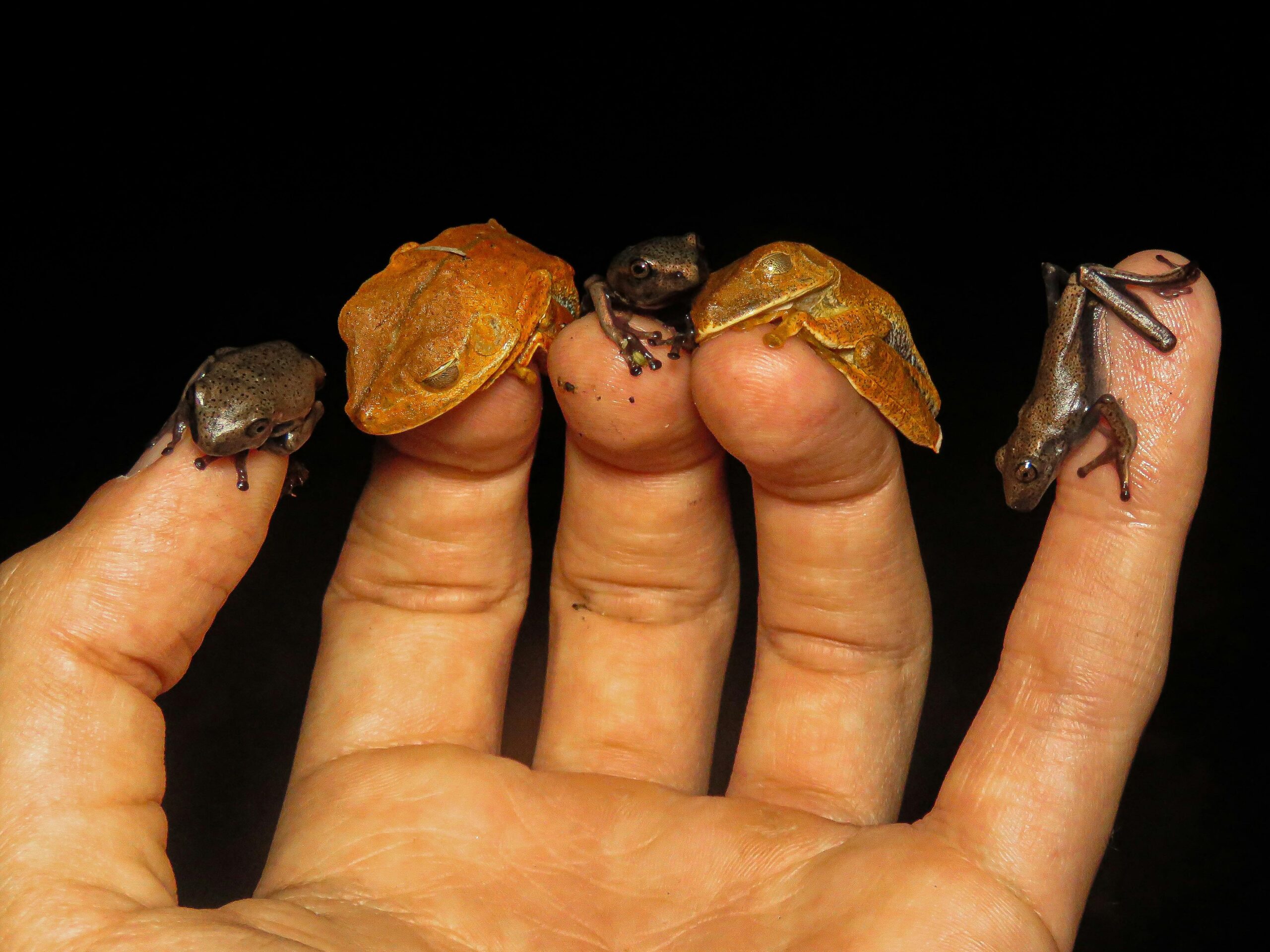
Tree holes filled with rainwater create aquatic microhabitats in terrestrial environments, hosting mosquito larvae, tree frogs, and specialized invertebrates. Some tropical tree frogs complete their entire life cycle within these tiny pools, never touching the ground. The loss of old-growth trees with natural cavities directly threatens these species’ survival.
Ecological Services: Small Spaces, Massive Impact 🌍
Despite their diminutive size, microhabitats provide essential ecosystem services that benefit organisms far beyond their boundaries. They serve as nurseries for juvenile organisms, refuges during harsh conditions, corridors for movement, and centers of decomposition and nutrient cycling.
Leaf litter microhabitats exemplify this principle perfectly. The layers of decomposing leaves on forest floors harbor decomposers that break down organic matter, releasing nutrients back into the soil for plant uptake. This process forms the foundation of forest productivity, yet it occurs almost invisibly within the microhabitat created by fallen leaves.
Wetland microhabitats, such as sedge tussocks and moss hummocks, provide critical breeding sites for amphibians and invertebrates while filtering water and sequestering carbon. These small elevated areas within wetlands create microclimate variations that increase overall habitat heterogeneity and biodiversity.
Threatened Treasures: Challenges Facing Microhabitats ⚠️
Modern environmental pressures disproportionately impact microhabitats due to their small size and specialized conditions. Climate change alters temperature and moisture regimes that many microhabitat-dependent species cannot tolerate. A slight increase in temperature might make a previously hospitable rock crevice uninhabitable for temperature-sensitive invertebrates.
Agricultural intensification eliminates microhabitat diversity across vast landscapes. The removal of hedgerows, stone walls, and scattered trees homogenizes environments, eliminating countless microhabitats that previously supported biodiversity. Pesticide drift affects non-target species in nearby microhabitats, while fertilizer runoff alters the delicate chemical balance of aquatic microhabitats.
Urban development fragments and destroys microhabitats through construction, landscaping practices, and pollution. The preference for “tidy” landscapes leads to the removal of dead wood, leaf litter, and native vegetation—precisely the elements that create diverse microhabitats. Light pollution disrupts microhabitats used by nocturnal species, while noise pollution affects communication and behavior.
Conservation Strategies: Protecting the Small to Save the Whole 🛡️
Effective microhabitat conservation requires shifting perspectives from managing only large-scale habitats to recognizing the critical importance of small-scale environmental features. This approach integrates microhabitat considerations into all levels of conservation planning and land management.
Retention forestry practices exemplify this philosophy. Rather than clear-cutting forests, this approach retains key structural elements such as snags, logs, and veteran trees that provide critical microhabitats. Studies demonstrate that forests managed with retention forestry support significantly higher biodiversity than conventionally harvested areas.
Creating and maintaining microhabitat features in managed landscapes represents another practical strategy. Installing rock piles in agricultural areas provides refuges for reptiles and invertebrates. Leaving fallen wood in forests and parks supports decomposer communities and provides shelter for numerous species. These simple actions cost little but yield substantial conservation benefits.
Agricultural Landscapes: Integrating Microhabitat Conservation 🚜
Agriculture occupies vast land areas globally, making farming practices crucial for microhabitat conservation. Progressive farmers and agricultural policies increasingly recognize that maintaining microhabitat diversity within agricultural landscapes enhances both biodiversity and agricultural productivity.
Field margins left unmanaged create microhabitats for pollinators, natural pest predators, and ground-nesting birds. These areas provide overwintering sites for beneficial insects that control crop pests during growing seasons, reducing pesticide dependence. Research consistently shows that farms with diverse microhabitats experience fewer pest outbreaks and higher yields.
Agroforestry systems integrate trees into agricultural landscapes, creating vertical habitat structure and microclimate variations. The shade beneath trees, bark crevices, and leaf litter all represent distinct microhabitats supporting species that provide ecosystem services to crops. This approach demonstrates how production and conservation can coexist when microhabitat considerations guide management decisions.
Urban Environments: Hidden Opportunities for Microhabitat Creation 🏙️
Cities might seem devoid of natural microhabitats, but urban environments offer surprising opportunities for creating and protecting these small-scale features. Green roofs, living walls, and carefully designed urban parks can incorporate microhabitat elements that support urban biodiversity.
Leaving some areas of urban parks “wild” with logs, brush piles, and native vegetation creates microhabitats within manicured landscapes. These areas provide crucial refuges for urban wildlife while offering educational opportunities for city dwellers to observe and appreciate nature’s complexity.
Urban streams and wetlands, often channelized and degraded, can be restored with attention to microhabitat diversity. Adding rocks, varying water depths, and establishing riparian vegetation creates diverse microhabitats that support aquatic insects, fish, and amphibians even within cities.
Climate Change Resilience Through Microhabitat Diversity 🌡️
As climate change accelerates, microhabitat diversity becomes increasingly important for species survival. Microhabitats create microclimatic variations that provide cooler, moister, or more stable conditions compared to surrounding areas, offering refuges during extreme weather events.
North-facing slopes, deep ravines, and areas near water bodies maintain cooler temperatures during heat waves, allowing temperature-sensitive species to persist. These microrefugia enable species to survive in places where broader climate conditions might otherwise prove unsuitable, potentially facilitating adaptation to changing conditions.
Protecting microhabitat diversity across landscapes creates a portfolio of conditions that increases ecosystem resilience. Rather than relying on single conservation strategies, this approach acknowledges uncertainty about future conditions and hedges bets by maintaining maximum environmental heterogeneity.
Community Science: Engaging Citizens in Microhabitat Conservation 📱
Microhabitats offer perfect opportunities for citizen science engagement. Their small scale and accessibility make them ideal subjects for community observation and monitoring programs. People can contribute meaningful data by documenting microhabitats in their neighborhoods, gardens, and local parks.
Photography-based observation platforms enable citizens to document microhabitat-associated species, contributing to biodiversity databases while developing personal connections to local nature. These programs demonstrate that significant conservation work doesn’t require traveling to remote wilderness areas—important discoveries happen in backyards and neighborhood parks.
Educational programs focused on microhabitats help people recognize nature’s complexity and value in everyday surroundings. When children discover the diverse life within a log or understand how leaf litter supports forest health, they develop conservation ethics that influence lifelong attitudes and behaviors.
Policy Frameworks: Integrating Microhabitats into Environmental Protection 📋
Effective microhabitat protection requires supportive policy frameworks that recognize their importance in environmental assessments and land management regulations. Current environmental policies often focus exclusively on larger-scale features, inadvertently allowing microhabitat destruction.
Environmental impact assessments should explicitly consider microhabitat diversity and incorporate requirements for microhabitat retention or creation in development projects. Regulations might require developers to retain specific percentages of dead wood, rock features, or native vegetation that provide microhabitat structure.
Agricultural subsidies and conservation programs can incentivize microhabitat creation and protection on farms. Payments for maintaining hedgerows, stone walls, wetlands, and other microhabitat features align economic incentives with conservation goals, making microhabitat protection financially viable for landowners.
Restoration Ecology: Rebuilding Microhabitat Complexity 🔨
Ecological restoration projects increasingly recognize that creating microhabitat diversity accelerates recovery and enhances long-term success. Rather than simply planting vegetation, contemporary restoration incorporates structural elements that generate microhabitat heterogeneity.
Stream restoration projects now routinely install large wood, create pool-riffle sequences, and vary bank conditions to maximize microhabitat diversity. These efforts support more diverse aquatic communities and improve ecosystem function compared to simpler channelization approaches.
Forest restoration extends beyond tree planting to include retaining or adding coarse woody debris, protecting soil microhabitats during site preparation, and establishing structural diversity that creates varied light, moisture, and temperature conditions. This approach produces forests that more closely resemble natural ecosystems in both composition and function.
The Future of Microhabitat Conservation: Integration and Innovation 🚀
Advancing microhabitat conservation requires integrating small-scale considerations into all aspects of environmental management, from international policy to individual yard care. This paradigm shift recognizes that protecting nature’s hidden gems ultimately determines our success in maintaining thriving ecosystems.
Emerging technologies offer new tools for microhabitat assessment and monitoring. Remote sensing can detect structural features that indicate microhabitat presence, while environmental DNA sampling reveals species using microhabitats without direct observation. These technologies enable large-scale microhabitat mapping previously impossible with traditional methods.
Ultimately, protecting microhabitats reflects a more sophisticated understanding of ecology that appreciates complexity, connectivity, and scale. By preserving these hidden gems, we maintain the ecological processes and biodiversity that sustain all life, including our own. Every retained log, protected rock pile, and preserved patch of leaf litter represents an investment in ecosystem health and resilience that will yield returns for generations to come.
The challenge before us is clear: we must learn to see and value the small spaces that make ecosystems work. Through conscious choices in how we manage lands, design cities, practice agriculture, and engage with nature, we can ensure that microhabitats continue supporting the remarkable biodiversity and ecological functions that make our planet thrive. The future of conservation lies not only in protecting vast wilderness areas but also in treasuring and preserving nature’s countless hidden gems that exist all around us.