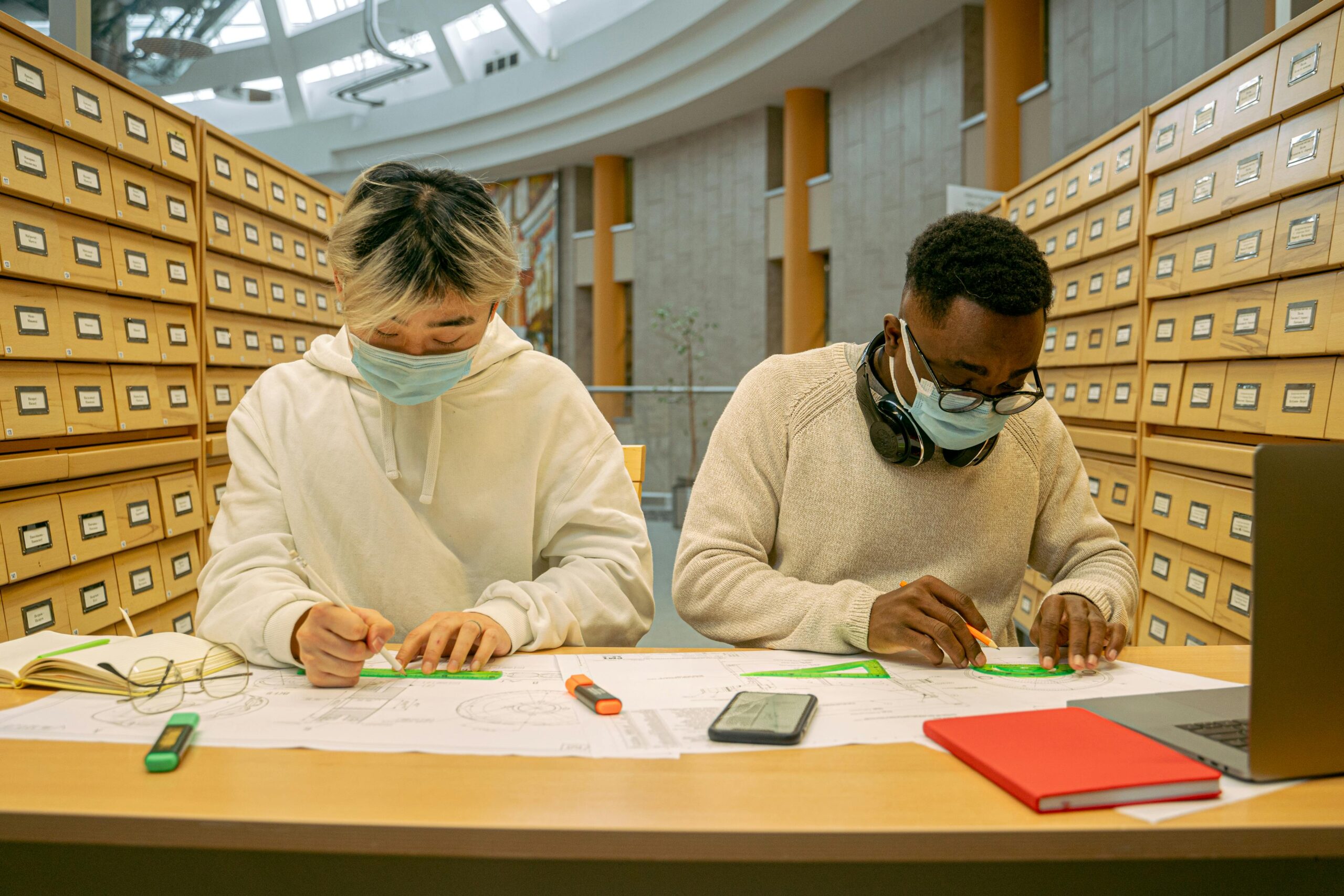
Affordable sampling kits are revolutionizing how schools and citizen scientists conduct hands-on research, making quality scientific exploration accessible to everyone regardless of budget constraints.

🔬 The Revolution in Science Education Through Accessible Tools
The landscape of science education has transformed dramatically over the past decade. What was once the exclusive domain of well-funded universities and research institutions has now become accessible to elementary classrooms and passionate amateur scientists. This democratization of scientific tools stems largely from the development and distribution of affordable sampling kits designed specifically for educational and citizen science purposes.
Traditional laboratory equipment has always presented a significant barrier to entry for schools with limited budgets and individuals passionate about scientific exploration. A single microscope could cost hundreds or thousands of dollars, while specialized testing equipment remained financially out of reach for most educational institutions. Today’s affordable sampling kits challenge this paradigm by offering functional, reliable tools at a fraction of traditional costs.
These kits serve dual purposes: they empower students to engage with real scientific methodologies while simultaneously contributing valuable data to larger research initiatives. This partnership between education and practical science creates a powerful learning ecosystem that benefits both students and the broader scientific community.
📚 Why Schools Need Affordable Sampling Solutions
Budget constraints represent one of the most significant challenges facing modern educational systems worldwide. Science departments often receive limited funding, forcing educators to choose between various competing needs. When faced with decisions about textbooks, technology, or laboratory supplies, hands-on science equipment frequently loses priority.
The consequences of this financial reality extend beyond simple equipment shortages. Students miss critical opportunities to develop practical scientific skills, experience the excitement of discovery, and understand how theoretical knowledge applies to real-world situations. Without access to sampling tools, science becomes an abstract concept learned from books rather than an engaging, hands-on discipline.
Affordable sampling kits address this gap by providing complete, ready-to-use solutions that don’t require extensive additional purchases. These kits typically include all necessary components for specific experiments or investigations, eliminating the hidden costs that often accompany scientific education initiatives.
The Educational Impact of Hands-On Science
Research consistently demonstrates that students retain information more effectively when they engage in practical, hands-on learning experiences. Sampling kits facilitate this active learning approach by transforming students from passive recipients of information into active participants in the scientific process.
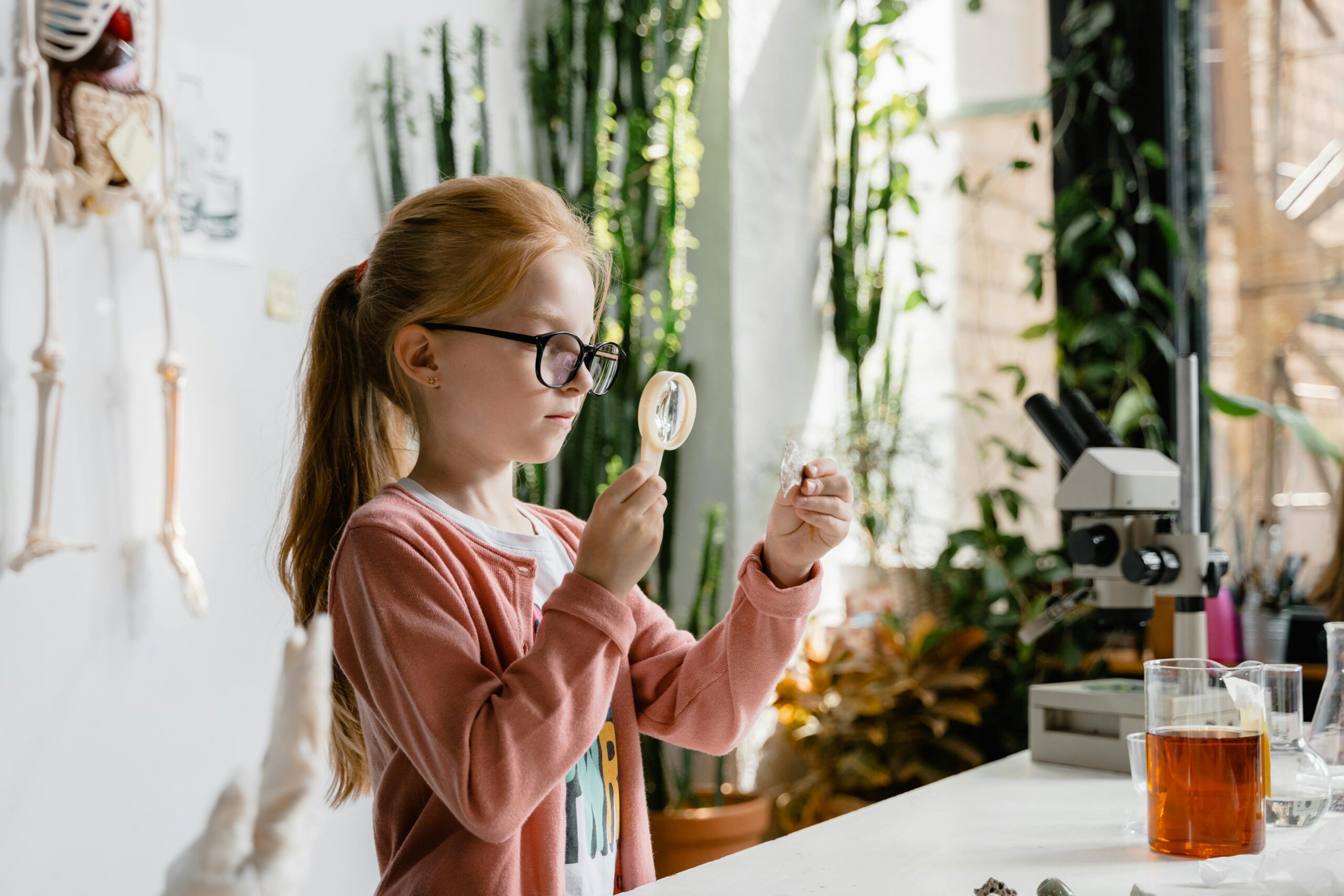
When students collect water samples from local streams, test soil composition in nearby parks, or analyze air quality around their schools, they develop multiple competencies simultaneously. They learn proper sampling techniques, understand data collection protocols, practice analytical thinking, and develop hypothesis-testing skills. These competencies extend far beyond the specific content being studied, building foundational skills applicable across academic disciplines and future careers.
🌍 Citizen Science: Expanding Research Through Community Participation
Citizen science represents one of the most exciting developments in modern scientific research. This collaborative approach harnesses the collective power of non-professional scientists to gather data, make observations, and contribute to research projects that would be impossible for small teams of professional researchers to complete alone.
Affordable sampling kits play a crucial role in enabling citizen science initiatives. By providing standardized tools and methodologies, these kits ensure that data collected by diverse participants meets quality standards necessary for scientific validity. Whether monitoring water quality in local watersheds, tracking pollinator populations, or measuring air pollution levels, citizen scientists equipped with appropriate sampling tools contribute meaningful data to important research questions.
The benefits flow in multiple directions. Professional researchers gain access to data collected across geographic scales and time periods that would be impossible to achieve otherwise. Citizen scientists develop deeper scientific literacy, connection to their local environments, and understanding of the research process. Communities benefit from increased awareness of environmental conditions and scientific issues affecting their localities.
Building Scientific Community Through Collaboration
Sampling kits facilitate connections between isolated individuals and larger scientific communities. Many citizen science projects provide online platforms where participants upload their findings, compare results with others, and engage in discussions about observations and implications. This connectivity transforms solitary data collection into collaborative scientific endeavor.
For students, participating in citizen science projects introduces them to the collaborative nature of modern scientific research. They learn that science isn’t conducted in isolation but through networks of researchers sharing data, methodologies, and insights. This understanding better prepares them for scientific careers and informed citizenship in an increasingly data-driven world.
🎯 Key Features of Effective Educational Sampling Kits
Not all sampling kits deliver equal educational value. The most effective kits share several key characteristics that maximize learning outcomes while maintaining affordability and ease of use.
Comprehensive Instructions and Educational Materials
Quality sampling kits include clear, age-appropriate instructions that guide users through proper sampling techniques, safety protocols, and data recording procedures. The best kits also provide contextual information explaining why specific tests matter, how to interpret results, and connections to broader scientific concepts.
Educational materials should accommodate various learning styles through written instructions, visual diagrams, and increasingly, digital resources including video tutorials and interactive guides. This multi-modal approach ensures that diverse learners can successfully engage with the materials regardless of prior experience or learning preferences.
Durability and Reusability
Affordable doesn’t mean disposable. Well-designed sampling kits balance initial cost with longevity, providing tools that withstand repeated use across multiple student groups and sampling sessions. Reusable components reduce long-term costs while also teaching important lessons about sustainable resource use.
Some components, such as testing reagents or collection containers, may require replacement after use. Quality kits make these consumables available at reasonable prices and clearly communicate what can be reused versus what needs replacement, helping educators budget effectively for ongoing use.
Safety and Age-Appropriateness
Safety considerations are paramount in educational contexts. Effective sampling kits appropriate for school use avoid hazardous chemicals, include necessary protective equipment, and provide clear safety guidelines. Kit designs consider the developmental capabilities and safety needs of intended age groups, ensuring that younger students can participate safely while older students face appropriate challenges.
🧪 Common Types of Affordable Sampling Kits for Education
The market for educational sampling kits has expanded significantly, offering specialized tools for various scientific disciplines and investigation types. Understanding available options helps educators and citizen scientists select kits aligned with their specific interests and learning objectives.
Water Quality Testing Kits
Water quality sampling represents one of the most accessible and relevant entry points for both classroom science and citizen research. These kits typically test parameters such as pH levels, dissolved oxygen, nitrates, phosphates, and bacterial contamination. Students can collect samples from local water bodies, compare results across different locations or time periods, and understand factors affecting aquatic ecosystem health.
Water testing connects to numerous curriculum topics including ecology, chemistry, environmental science, and earth science. It also addresses practical concerns about drinking water safety and pollution impacts, making the learning immediately relevant to students’ lives.
Soil Analysis Kits
Soil sampling kits enable investigation of soil composition, nutrient levels, pH, and contamination. These tools support learning about agriculture, plant biology, ecology, and environmental science. School gardens benefit tremendously from soil testing, as students can directly apply their findings to improve growing conditions and understand the relationship between soil chemistry and plant health.
Citizen scientists use soil kits to monitor contamination levels in urban areas, track nutrient depletion in agricultural lands, or assess soil health in restoration projects. The tangible connection between testing results and visible environmental conditions makes soil sampling particularly engaging for learners.
Air Quality Monitoring Tools
Growing concerns about air pollution and climate change have increased interest in air quality monitoring. Affordable sampling kits now include tools for measuring particulate matter, carbon dioxide levels, and various pollutants. These investigations connect directly to current events and local environmental justice issues, increasing student engagement and sense of purpose.
Air quality monitoring also introduces important concepts about invisible environmental factors that significantly impact health and well-being. Students develop awareness that scientific measurement can reveal important information not apparent to unaided senses.
Biodiversity Survey Kits
Ecological sampling kits support biodiversity surveys of plants, insects, birds, or aquatic organisms. These often include identification guides, collection tools, and recording materials. Biodiversity surveys teach observational skills, taxonomy, ecological relationships, and conservation principles while connecting students directly with local ecosystems.
Many biodiversity initiatives contribute to long-term monitoring projects tracking species distribution changes related to climate change, habitat loss, or conservation efforts. This connection to ongoing research adds significance and authenticity to student work.
💡 Maximizing the Impact of Sampling Kits in Educational Settings
Purchasing sampling kits represents just the first step. Maximizing their educational impact requires thoughtful implementation strategies that integrate these tools effectively into curriculum and learning experiences.
Connecting to Curriculum Standards and Learning Objectives
Effective use of sampling kits aligns with established curriculum standards and specific learning objectives. Educators should identify how sampling activities address required content knowledge, develop specified skills, and support broader educational goals. This alignment ensures that hands-on activities complement rather than replace other essential learning experiences.
Documentation of this alignment also helps justify sampling kit purchases to administrators and demonstrates the educational value of hands-on science investments. When budget decisions arise, clearly articulated connections to learning standards strengthen the case for continued support.
Developing Student Investigation Skills Progressively
Students benefit most when sampling activities progress from highly structured investigations to more open-ended explorations. Beginning students need explicit guidance through each step of the sampling process, clear protocols to follow, and structured data recording systems. As students gain confidence and competence, educators can gradually increase independence, encouraging students to develop their own research questions, design sampling protocols, and determine appropriate analysis methods.
This progression mirrors the actual scientific process and helps students develop the critical thinking and problem-solving skills that represent the ultimate goals of science education.
Creating Authentic Audiences for Student Work
Student engagement intensifies when their work reaches audiences beyond the classroom teacher. Sampling activities naturally lend themselves to authentic public sharing through presentations to community groups, contributions to citizen science databases, reports to local environmental agencies, or publication in student science journals.
These authentic audiences elevate student work from academic exercise to meaningful contribution, increasing motivation and teaching important communication skills. Students learn to present scientific findings clearly, support claims with evidence, and consider how different audiences require different communication approaches.
🌟 Success Stories: Schools and Communities Transformed Through Sampling
Countless schools and citizen science initiatives demonstrate the transformative potential of affordable sampling kits. These success stories inspire others while providing practical models for implementation.
Elementary schools with limited budgets have used water testing kits to monitor local streams throughout the school year, documenting seasonal changes and identifying pollution sources. Students present findings to city councils, contributing to policy discussions about watershed protection. This work develops scientific skills while teaching civic engagement and environmental stewardship.
High school students equipped with air quality monitors have documented pollution patterns around their schools, identifying peak exposure times and sources. Their research has influenced school schedules, recess timing, and conversations about traffic patterns. Students experience the power of data to inform decision-making and advocate for community health.
Citizen science networks have mobilized thousands of volunteers using standardized sampling kits to track invasive species spread, monitor water quality across entire watersheds, or document phenological changes related to climate change. These networks demonstrate how affordable tools enable large-scale research impossible through traditional approaches.
🚀 Looking Forward: The Future of Accessible Scientific Tools
The trajectory toward increasingly accessible, affordable, and powerful sampling tools shows no signs of slowing. Emerging technologies promise to further democratize scientific investigation while maintaining or improving data quality and educational value.
Smartphone integration represents one exciting frontier. Apps that work with affordable sensors transform phones into sophisticated scientific instruments, dramatically reducing costs while leveraging technology students already possess and understand. These digital tools also facilitate data sharing, analysis, and visualization, extending the power of simple sampling kits.
Open-source hardware movements are developing designs for scientific instruments that anyone can build using readily available components and 3D printing. These initiatives promise even greater affordability and customization while teaching valuable maker skills alongside scientific content.
Artificial intelligence and machine learning are beginning to support citizen science through automated species identification from photos, pattern recognition in complex datasets, and quality control systems that flag potentially erroneous data. These technologies make citizen science more accessible to novices while maintaining data integrity.
🎓 Taking Action: Getting Started with Sampling Kits
For educators and citizen scientists ready to begin, getting started requires just a few thoughtful steps. First, identify specific interests or curriculum needs that sampling activities could address. Focus on one or two areas initially rather than attempting to implement multiple new approaches simultaneously.
Research available kit options, reading reviews from other educators and checking whether kits align with established citizen science projects that provide additional resources and data sharing opportunities. Many environmental organizations and research institutions offer guidance on selecting appropriate tools.
Start small with pilot projects that allow you to develop familiarity with procedures, identify potential challenges, and refine implementation strategies before expanding. Document what works well and what needs adjustment, building an implementation guide for future use.
Connect with other educators or citizen scientists working in similar areas. Online communities, professional organizations, and citizen science networks provide valuable support, troubleshooting assistance, and inspiration. Learning from others’ experiences accelerates your own success.
Most importantly, remember that the goal extends beyond simply using equipment. The ultimate purpose involves fostering curiosity, developing scientific thinking, connecting learners with their environments, and demonstrating that science is accessible to everyone. Affordable sampling kits represent tools that make these transformative experiences possible, breaking down barriers that have too long separated ordinary people from the extraordinary process of scientific discovery.
The democratization of scientific tools through affordable sampling kits represents more than a practical solution to budget constraints. It embodies a fundamental belief that scientific literacy, environmental awareness, and research participation should be accessible to all, regardless of economic circumstances or institutional affiliation. By empowering schools and citizen scientists with these essential tools, we create a more scientifically engaged society better equipped to understand and address the complex challenges facing our world. 🌎