Biodiversity kits are revolutionizing how we understand and interact with the natural world, offering hands-on tools for remarkable ecological discoveries.

🌿 The Revolutionary Impact of Biodiversity Kits on Modern Conservation
In an era where environmental awareness has become critical to our survival, biodiversity kits have emerged as powerful instruments bridging the gap between scientific research and public engagement. These comprehensive toolkits contain everything from DNA sampling equipment to field guides, enabling both professionals and enthusiasts to participate in meaningful biological surveys and species identification.
The significance of these kits extends far beyond simple educational value. They represent a democratization of ecological research, allowing citizen scientists to contribute valuable data to global conservation efforts. With biodiversity loss accelerating at unprecedented rates, these tools provide a practical means for communities worldwide to monitor, document, and protect their local ecosystems.
Traditional ecological research often required expensive equipment and specialized training, creating barriers for widespread participation. Biodiversity kits have dismantled these obstacles, making scientific observation accessible to schools, community groups, and environmental organizations with limited resources. This accessibility has sparked a renaissance in grassroots conservation initiatives.
📦 Understanding What Makes Biodiversity Kits Powerful Tools
Modern biodiversity kits are sophisticated yet user-friendly packages designed to facilitate comprehensive ecological assessments. They typically include field collection tools, preservation materials, identification guides, and increasingly, technological components that connect users to digital databases and expert networks.
The contents vary depending on the kit’s specific purpose, but common elements include:
- Sampling equipment for water, soil, and biological specimens
- Magnification tools ranging from handheld loupes to portable microscopes
- Field notebooks and standardized data collection forms
- Preservation supplies such as collection vials and storage solutions
- Comprehensive identification guides specific to regional flora and fauna
- Digital tools including apps for species identification and data upload
- Safety equipment and ethical collection guidelines
What distinguishes premium biodiversity kits from basic nature exploration sets is their adherence to scientific protocols. They enable users to collect data that meets research standards, making their observations valuable for academic studies, conservation databases, and policy-making processes.
The Technology Integration Advantage 🔬
Contemporary biodiversity kits increasingly incorporate smartphone-compatible tools and applications that enhance their effectiveness. Mobile apps can provide instant species identification through image recognition, GPS coordinates for precise location tracking, and direct upload capabilities to citizen science platforms like iNaturalist or eBird.
This technological integration transforms casual observations into scientifically valuable data points. When thousands of users contribute standardized information through these platforms, researchers gain access to datasets of unprecedented scale and geographic coverage, revealing patterns that would be impossible to detect through traditional research methods alone.
🌍 Case Study: Amazon Rainforest Biodiversity Assessment Project
One of the most compelling demonstrations of biodiversity kit effectiveness occurred in the Peruvian Amazon, where local indigenous communities partnered with conservation organizations to conduct comprehensive forest surveys. Equipped with specially designed biodiversity kits, community members documented over 1,200 species across a previously unstudied region spanning 50,000 hectares.
The project provided communities with kits containing camera traps, insect collection supplies, water quality testing equipment, and plant pressing materials. Participants received basic training in standardized collection protocols, then conducted surveys over an 18-month period.
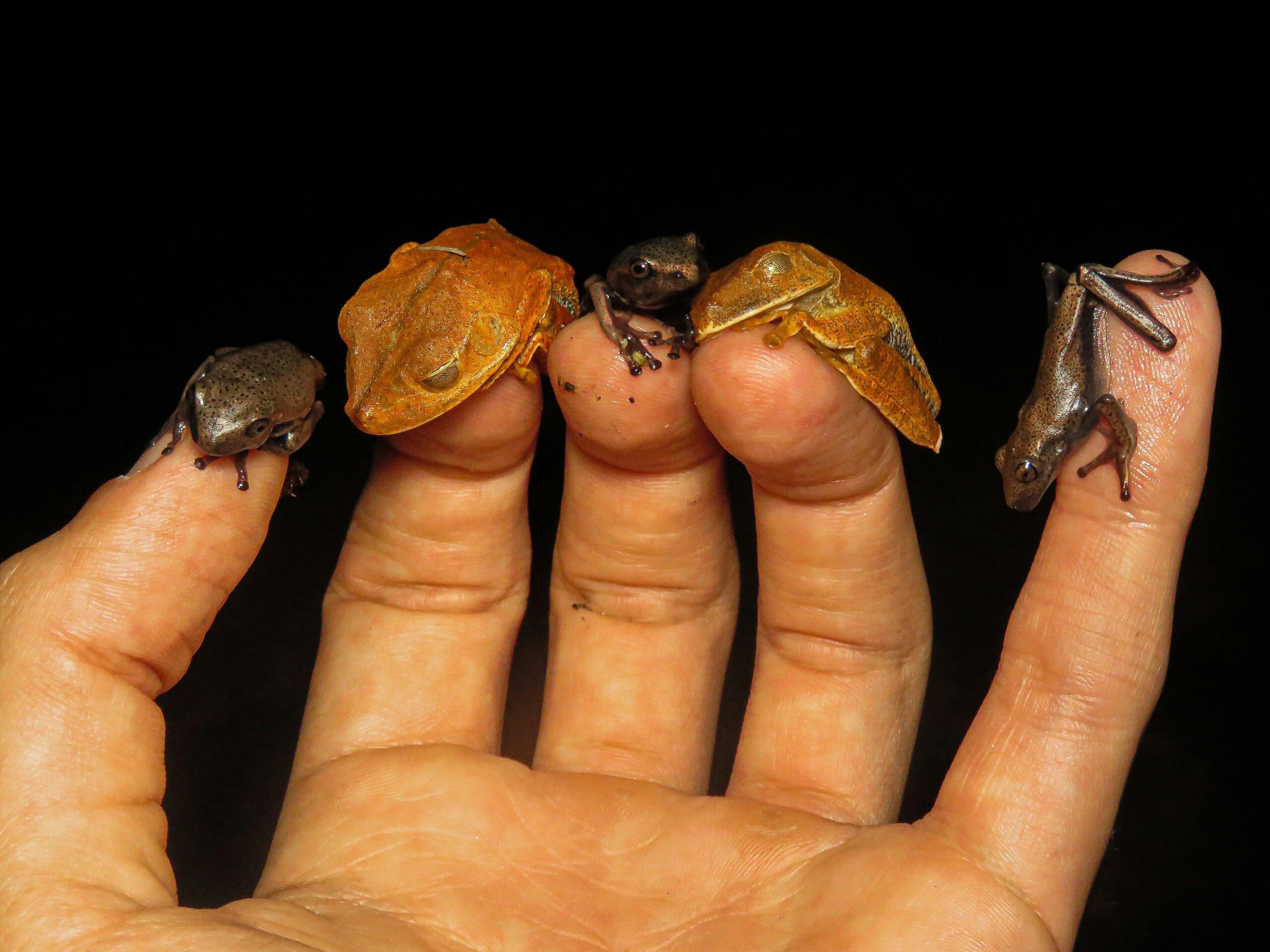
The results were extraordinary. The team discovered three previously undocumented frog species, identified critical habitat corridors for endangered jaguars, and documented seasonal migration patterns of dozens of bird species. This information proved instrumental in establishing a new protected area and informed sustainable resource management practices.
What made this case particularly significant was the empowerment of local communities as primary researchers. Rather than being passive subjects of external studies, they became active stakeholders in conservation science, developing a vested interest in protecting their forests and gaining recognition for their traditional ecological knowledge.
🦋 Urban Biodiversity: The London Garden Survey Success Story
Biodiversity kits aren’t limited to remote wilderness areas. A groundbreaking urban ecology project in London demonstrated their power in densely populated environments. The initiative distributed 5,000 simplified biodiversity kits to residents across the city’s 32 boroughs, challenging them to document wildlife in their gardens, parks, and green spaces.
Each kit contained pollinator observation sheets, soil testing equipment, a basic identification guide for common urban species, and access to a dedicated mobile application for data submission. The campaign ran for two years, generating an astonishing 127,000 individual observations.
The findings revolutionized understanding of urban ecosystems. Researchers identified unexpected biodiversity hotspots in industrial areas, documented the rapid spread of non-native species, and mapped critical green corridors that connected isolated habitat patches. This information directly influenced city planning decisions, leading to the creation of 23 new pocket parks and modifications to landscaping practices in public spaces.
Perhaps most importantly, the project transformed participants’ relationships with their urban environment. Follow-up surveys revealed that 78% of participants took concrete actions to make their properties more wildlife-friendly, and 64% reported increased concern about environmental issues, demonstrating the kits’ power to catalyze behavioral change.
Measuring the Urban Impact 📊
| Metric | Before Project | After Project |
|---|---|---|
| Documented Species | 342 | 879 |
| Active Citizen Scientists | 120 | 4,287 |
| New Protected Spaces | 0 | 23 |
| Wildlife-Friendly Gardens | Unknown | 3,340+ |
🌊 Marine Biodiversity: Coastal Community Monitoring in Indonesia
The archipelagic nation of Indonesia hosts some of Earth’s most biodiverse marine ecosystems, yet many areas lack consistent monitoring due to logistical and financial constraints. A innovative program addressed this gap by equipping coastal fishing communities with marine biodiversity kits tailored to their unique environment.
These specialized kits included underwater cameras, plankton collection nets, water testing equipment for measuring temperature, salinity, and pH levels, and waterproof identification guides for coral reef species. Fishermen, who possessed intimate knowledge of local waters but lacked scientific training, were taught standardized observation protocols during week-long workshops.
Over three years, participating communities documented alarming declines in certain fish populations while identifying resilient coral patches that survived warming events. Their observations revealed illegal fishing activities in protected zones and tracked the recovery of previously overfished areas following community-enforced restrictions.
The data collected through these biodiversity kits became foundational evidence for establishing community-managed marine protected areas. Local governments used the findings to justify enforcement actions and allocate conservation resources. Several communities developed ecotourism initiatives based on the biodiversity they documented, creating economic alternatives to extractive fishing practices.
🎓 Educational Transformation Through Biodiversity Kits
Beyond research applications, biodiversity kits have revolutionized environmental education across multiple continents. Schools integrating these tools into curricula report significant increases in student engagement with science subjects and measurable improvements in ecological literacy.
A comprehensive study tracking 150 schools across five countries found that students using biodiversity kits for hands-on learning demonstrated 34% better retention of ecological concepts compared to those receiving traditional textbook-only instruction. More impressively, students exposed to biodiversity kits were twice as likely to pursue environmental science in higher education.
The kits’ effectiveness in educational contexts stems from their ability to transform abstract concepts into tangible experiences. When students discover a previously undocumented species in their schoolyard or track seasonal changes in local insect populations, ecological principles become personally relevant rather than distant academic theories.
Building Tomorrow’s Environmental Stewards 🌱
Several educational programs have developed age-appropriate biodiversity kits specifically designed for different developmental stages. Elementary kits focus on basic observation skills and species familiarity, while high school versions incorporate more sophisticated data analysis and experimental design components.
These graduated approaches ensure that students build cumulative knowledge and skills over years rather than receiving isolated lessons. Schools maintaining long-term biodiversity monitoring programs create living datasets that students across multiple grade levels contribute to, fostering a sense of continuity and scientific progression.
🔍 Technological Innovations Enhancing Biodiversity Kit Capabilities
Recent technological advances have exponentially increased the power and precision of biodiversity kits. DNA barcoding technology, once confined to specialized laboratories, is now available in portable formats that work with smartphone interfaces. These tools allow users to identify species through genetic analysis with remarkable accuracy, even when visual identification proves challenging.
Environmental DNA (eDNA) sampling represents another breakthrough. Users collect water or soil samples, and specialized filters capture genetic material shed by organisms in the environment. Laboratory analysis of these samples can detect species presence without direct observation, revealing elusive or nocturnal creatures that traditional survey methods might miss.
Acoustic monitoring equipment has also miniaturized sufficiently for inclusion in advanced biodiversity kits. These devices record environmental sounds over extended periods, and analysis software identifies species based on their vocalizations. This approach proves particularly valuable for documenting bat populations, nocturnal birds, and other acoustically active wildlife.
Cloud-based platforms now integrate data from thousands of biodiversity kit users worldwide, creating real-time biodiversity maps that update continuously. Machine learning algorithms analyze these datasets to identify trends, predict species distributions, and flag unusual observations that might indicate invasive species or ecosystem changes warranting investigation.
💡 Overcoming Challenges and Maximizing Kit Effectiveness
Despite their tremendous potential, biodiversity kits face several implementation challenges. Data quality varies significantly based on user training and commitment levels. Misidentifications, incomplete observations, and inconsistent protocols can compromise dataset integrity if not properly addressed.
Successful programs mitigate these issues through comprehensive training, ongoing support structures, and data validation processes. Online communities where users can submit observations for expert verification help maintain standards while providing learning opportunities. Many platforms employ automated quality checks that flag improbable identifications or data inconsistencies for review.
Access and equity present another challenge. While biodiversity kits are more affordable than traditional research equipment, cost remains prohibitive for many communities, particularly in developing regions where biodiversity is often greatest. Grant programs, subsidized distribution initiatives, and kit-sharing arrangements help address these barriers, though gaps persist.
Language accessibility also requires attention. Most biodiversity resources are available primarily in English, limiting their utility for non-English speaking communities. Efforts to translate materials and develop region-specific guides in local languages significantly enhance kit effectiveness and participation rates.
🚀 The Future Landscape of Biodiversity Discovery
The trajectory of biodiversity kit development points toward increasingly sophisticated yet user-friendly tools. Emerging technologies like augmented reality (AR) promise to overlay identification information directly onto users’ views of organisms through smartphone screens, making species recognition nearly instantaneous.
Artificial intelligence will continue improving automated identification capabilities, reducing the expertise required for accurate species documentation. However, the human element remains irreplaceable—the curiosity, contextual understanding, and problem-solving abilities that kit users bring to field observations cannot be fully automated.
Integration with global conservation strategies is expanding. Major international organizations now incorporate citizen science data from biodiversity kits into formal assessments of ecosystem health and species status. This recognition elevates the importance of maintaining data quality and expanding geographic coverage.
Climate change monitoring represents a growing application area. Biodiversity kits enable distributed networks of observers to track phenological shifts, range expansions, and community composition changes that signal ecosystem responses to warming temperatures. This information proves invaluable for predictive modeling and adaptive management strategies.
🌟 Empowering Global Participation in Conservation Science
The most profound impact of biodiversity kits may be their role in transforming conservation from an activity conducted by specialist elites into a participatory movement engaging millions. When people actively observe and document the natural world around them, abstract environmental concerns become concrete and personal.
This engagement generates political will for conservation policies in ways that top-down advocacy cannot match. Decision-makers respond differently to data collected by their constituents compared to external experts, creating opportunities for grassroots influence on environmental governance.
Biodiversity kits also preserve traditional ecological knowledge by providing frameworks for documenting and validating observations passed down through generations. Indigenous communities worldwide possess sophisticated understanding of their local ecosystems, and these tools enable that knowledge to be recorded in formats that complement scientific methodologies.
As biodiversity loss continues accelerating, the need for comprehensive monitoring and rapid response capabilities grows increasingly urgent. Biodiversity kits represent a scalable solution that harnesses humanity’s collective observational capacity, transforming millions of interested individuals into an early warning system for ecosystem changes and a force for evidence-based conservation action.
The case studies highlighted here represent just a fraction of successful biodiversity kit applications worldwide. From Arctic tundra monitoring to tropical rainforest surveys, from urban ecology projects to marine conservation initiatives, these tools are unveiling nature’s wonders while empowering communities to become active stewards of their environmental heritage. The discoveries enabled by biodiversity kits continue expanding our understanding of Earth’s biological richness and our role in protecting it for future generations.