
Acoustic sampling kits are revolutionizing wildlife research by capturing the hidden soundscapes of birds and bats, offering scientists unprecedented access to nature’s nocturnal and diurnal symphonies.

🎵 The Revolution of Bioacoustic Monitoring in Wildlife Research
The natural world communicates through an intricate web of sounds, many of which remain imperceptible to the human ear without technological assistance. For decades, researchers studying avian and chiropteran populations relied heavily on visual surveys and capture methods, often missing crucial behavioral data that occurs during low-light conditions or in inaccessible habitats. The emergence of sophisticated acoustic sampling kits has fundamentally transformed how we observe, document, and understand these remarkable creatures.
Acoustic monitoring represents more than just a technical advancement; it embodies a paradigm shift in ecological research methodology. These specialized recording devices can operate continuously for weeks or months, capturing thousands of vocalizations that would be impossible to document through traditional field observation. The technology has become particularly invaluable for studying nocturnal species like bats, whose ultrasonic communications operate far beyond human hearing range.
Understanding the Components of Modern Acoustic Sampling Systems
Contemporary acoustic sampling kits comprise several essential components working in harmony to capture, store, and preserve wildlife vocalizations. At the heart of these systems lies the microphone—a precision instrument engineered to detect frequencies ranging from low-pitched owl calls to ultrasonic bat echolocation clicks exceeding 100 kHz.
Microphone Technology and Frequency Response
The microphone selection determines what your research can detect. For bird monitoring, full-spectrum microphones capturing frequencies between 1-20 kHz typically suffice, as most avian vocalizations fall within this range. However, bat research demands specialized ultrasonic microphones capable of detecting frequencies up to 150 kHz or higher. Many modern kits feature dual-microphone systems, accommodating both audible and ultrasonic ranges within a single deployment.
Weather-resistant housings protect these sensitive instruments from environmental challenges. Quality acoustic sampling kits feature IP67-rated enclosures or better, ensuring reliable operation through rain, humidity, temperature fluctuations, and dust exposure. This durability enables researchers to maintain continuous monitoring across seasons, capturing migration patterns, breeding behaviors, and population dynamics throughout annual cycles.
Recording Units and Data Storage Solutions
Modern recording units have evolved from simple tape recorders to sophisticated digital systems with programmable schedules, triggered recording capabilities, and extensive storage capacity. High-quality units can store hundreds of gigabytes of audio data on SD cards or internal memory, with some advanced models featuring real-time data transmission via cellular or satellite connections.
Battery life remains a critical consideration for extended field deployments. Premium acoustic sampling kits incorporate power management systems that can operate for months on standard batteries or solar charging arrays. Scheduled recording—capturing audio only during dawn and dusk chorus periods, for example—significantly extends deployment duration while focusing data collection on periods of peak vocal activity.
🦇 Why Acoustic Monitoring Excels for Bat Research
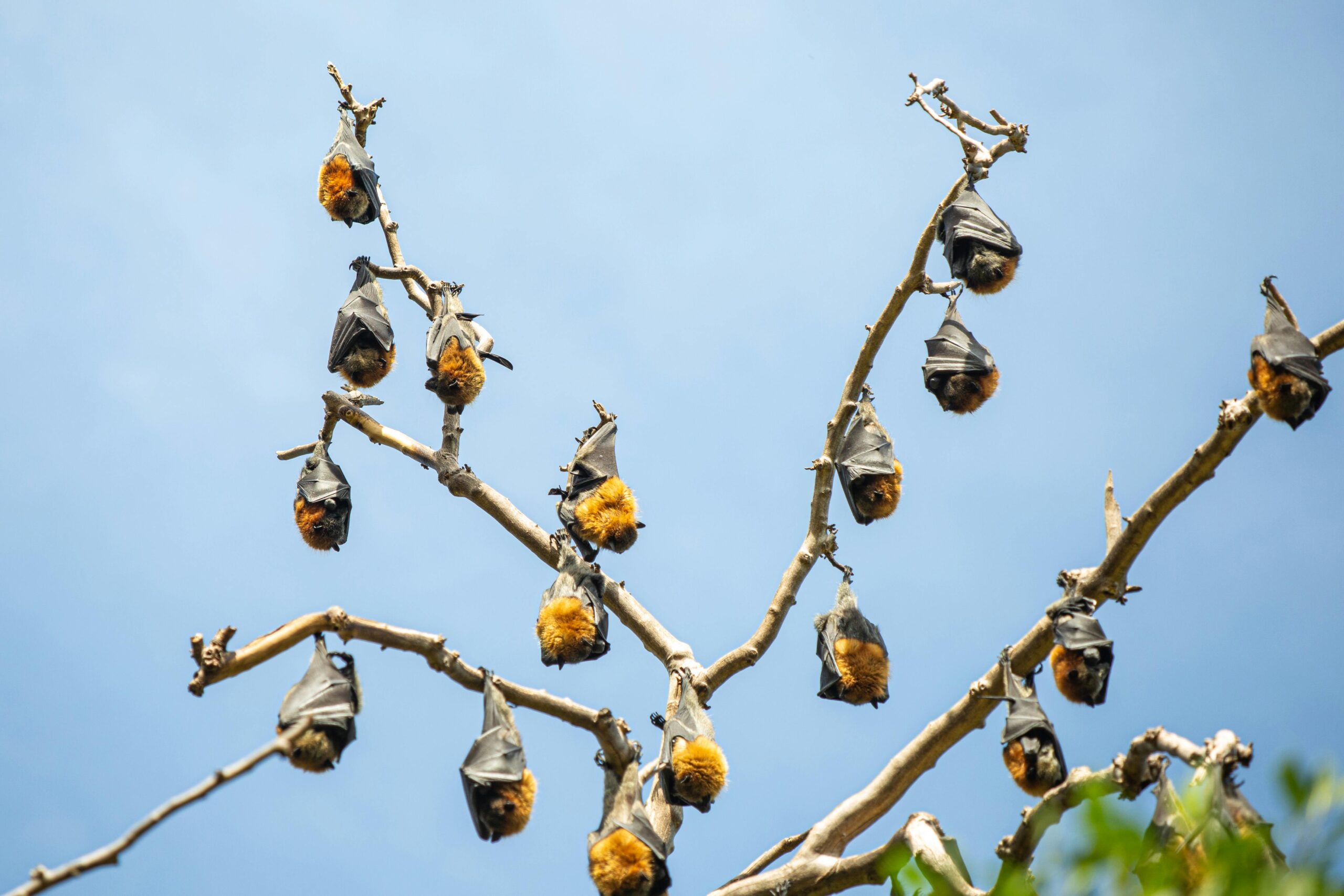
Bats present unique research challenges that make acoustic monitoring not merely advantageous but often essential. Their nocturnal lifestyle, rapid flight patterns, and reliance on ultrasonic echolocation create circumstances where visual identification proves extremely difficult or impossible. Acoustic sampling transforms bat research from frustrating speculation into precise, data-driven science.
Each bat species produces distinctive echolocation calls characterized by specific frequency patterns, call duration, and pulse intervals. These acoustic signatures function as vocal fingerprints, allowing researchers to identify species without ever seeing the animal. Advanced acoustic sampling kits paired with analysis software can automatically classify bat calls, processing thousands of recordings to generate species inventories and activity indices.
Detecting Rare and Cryptic Bat Species
Acoustic monitoring proves particularly valuable for detecting rare or threatened bat species that might otherwise escape notice during traditional survey methods. A single acoustic detector deployed for several weeks can confirm the presence of species that visual surveys might miss entirely. This capability has proven instrumental in environmental impact assessments, conservation planning, and protected area management.
The technology also reveals temporal patterns in bat activity, documenting when different species emerge, forage, and retire. These behavioral insights inform wind turbine placement, timing of forest management activities, and strategies for minimizing human-wildlife conflicts. Understanding when bats utilize specific habitats enables more effective conservation interventions.
🐦 Transforming Avian Research Through Sound
While birds are more visible than bats, acoustic monitoring offers distinct advantages over traditional point count surveys. Many species vocalize more frequently than they appear in visual range, particularly in dense vegetation. Acoustic samplers detect birds that observers might overlook, providing more complete species inventories and abundance estimates.
Dawn chorus recordings capture the peak period of avian vocal activity, when males advertise territories and attract mates. Researchers can deploy multiple acoustic samplers simultaneously across large study areas, effectively creating dozens of tireless field assistants that never suffer observer fatigue, maintain consistent detection capabilities, and generate permanent records for verification and reanalysis.
Documenting Migration and Seasonal Patterns
Year-round acoustic monitoring reveals migration timing with precision impossible through periodic visual surveys. Nocturnal flight calls from migrating thrushes, warblers, and sparrows document exactly when species arrive and depart from study areas. This temporal resolution proves invaluable for understanding how climate change affects migration phenology and breeding schedules.
Seasonal soundscape analysis reveals how bird communities change throughout the year. Breeding season recordings dominated by territorial songs give way to autumn soundscapes filled with contact calls from foraging flocks. Winter recordings might reveal irruptive species driven south by food shortages. This comprehensive temporal perspective illuminates ecological dynamics that snapshot surveys inevitably miss.
Selecting the Right Acoustic Sampling Kit for Your Research
Choosing appropriate equipment requires careful consideration of research objectives, target species, deployment environments, and budget constraints. Entry-level kits suitable for educational projects and basic monitoring start around several hundred dollars, while professional-grade systems with advanced features and superior specifications can exceed several thousand dollars per unit.
Essential Features for Bat Monitoring Systems
Bat-specific acoustic samplers must offer ultrasonic recording capabilities with flat frequency response across the range where bat echolocation occurs—typically 10-150 kHz. Look for systems with high sample rates (at least 256 kHz, preferably 384-500 kHz) to accurately capture call structure. Triggered recording functionality conserves storage space and battery power by recording only when ultrasonic vocalizations are detected.
Consider whether you need full-spectrum recording, which captures complete call details, or frequency division systems that compress ultrasonic calls into audible ranges. Full-spectrum recording provides superior data quality for species identification and call parameter analysis, though it requires more storage capacity and processing power.
Key Specifications for Avian Acoustic Research
Bird monitoring systems prioritize different specifications than bat detectors. Recording quality in the audible spectrum (particularly 1-12 kHz) takes precedence over ultrasonic capabilities. Stereo microphones enhance spatial information, potentially allowing multiple simultaneous vocalizations to be distinguished and attributed to different individuals.
Weatherproofing becomes especially critical for bird research, as optimal deployment often involves canopy-level mounting where equipment faces direct sun exposure, precipitation, and temperature extremes. Look for systems rated for extended outdoor deployment with minimal maintenance requirements. GPS timestamping ensures accurate temporal data, essential for analyzing diel activity patterns and coordinating data from multiple recording stations.
🔧 Deployment Strategies for Maximum Research Value
Strategic deployment amplifies the value of acoustic sampling investments. Microphone placement significantly influences detection probability and data quality. For birds, positioning microphones 1-3 meters above ground in relatively open areas maximizes detection range while minimizing wind noise. Avoid mounting near roads, streams, or other sound sources that might mask target vocalizations or trigger false detections.
Bat detectors often require different placement strategies. Mounting units along forest edges, near water sources, or in known commuting corridors increases detection rates. Height considerations vary by research objective—ground-level deployment captures low-flying foraging bats, while canopy-height installation documents high-altitude commuting and migrating species.
Creating Effective Monitoring Networks
Distributed networks of acoustic samplers generate spatial data revealing habitat preferences, territory sizes, and movement patterns. Grid-based deployment across study areas enables occupancy modeling and density estimation. Strategic placement along elevation gradients, vegetation types, or disturbance levels tests ecological hypotheses about factors driving species distributions.
Temporal replication—maintaining recording stations across multiple seasons or years—documents population trends and community dynamics. Long-term acoustic monitoring establishes baseline conditions against which future changes can be measured, creating invaluable datasets for conservation assessment and adaptive management.
From Raw Recordings to Research Insights: Data Analysis
Acoustic monitoring generates substantial data volumes that require efficient processing workflows. A single recorder operating continuously produces dozens of gigabytes weekly. Manual analysis of this volume proves impractical, necessitating automated or semi-automated processing approaches.
Automated Species Identification Software
Specialized software applications employ machine learning algorithms to scan recordings, detect vocalizations, and classify them to species. For bats, programs analyze call parameters like maximum frequency, duration, and pulse interval, comparing these measurements against reference libraries. Bird identification software uses similar approaches, extracting acoustic features and matching them to known species profiles.
While automated identification dramatically accelerates processing, it rarely achieves perfect accuracy. Most research workflows incorporate verification steps where trained analysts review subsets of automated classifications, calculating error rates and correcting misidentifications. This semi-automated approach balances processing efficiency with data quality assurance.
Extracting Ecological Metrics from Acoustic Data
Beyond species lists, acoustic data yields diverse ecological metrics. Activity indices quantify detection rates across time periods, serving as proxies for abundance or activity levels. Species accumulation curves reveal survey completeness, indicating whether recording duration captured the full community. Soundscape analysis examines overall acoustic complexity, diversity, and structure as indicators of ecosystem health.
Temporal analysis reveals diel and seasonal patterns in vocal activity. Statistical models can relate detection patterns to weather variables, moon phase, or habitat characteristics, identifying environmental factors influencing species behavior and distribution. These analytical approaches transform acoustic recordings into quantitative ecological insights.
⚡ Overcoming Common Challenges in Acoustic Monitoring
Despite its advantages, acoustic sampling presents challenges requiring thoughtful solutions. Wind noise frequently interferes with recordings, masking target vocalizations or triggering false detections. Windscreens reduce this interference, though they may slightly attenuate high-frequency sounds. Selecting naturally sheltered deployment locations minimizes wind exposure.
Storage capacity limitations constrain continuous long-term monitoring. Scheduled recording during periods of expected vocal activity (dawn and dusk for birds, evening through pre-dawn for bats) conserves storage while capturing peak activity periods. Triggered recording based on amplitude or frequency thresholds records only when sounds of interest occur, dramatically reducing storage requirements.
Weather Resistance and Equipment Longevity
Moisture infiltration remains the primary cause of acoustic sampler failure in field conditions. Even well-sealed units may develop problems if deployment periods extend across multiple months. Regular maintenance checks—examining seals, testing desiccant packets, and verifying continued operation—prevent data loss from equipment failure. Backup units deployed in parallel at critical sites provide insurance against equipment malfunction.
Temperature extremes affect battery performance and electronic components. Lithium batteries outperform alkaline alternatives in cold conditions, maintaining capacity at temperatures where alkaline batteries fail. In hot environments, reflective housings and shaded deployment locations prevent overheating-related shutdowns.
Integrating Acoustic Data with Broader Research Programs
Acoustic monitoring generates maximum value when integrated with complementary research methods. Combining acoustic surveys with capture-based demographic studies connects species presence with age structure, reproductive status, and body condition. Pairing acoustic monitoring with habitat assessments relates species occurrences to vegetation characteristics, food availability, and structural complexity.
Radio telemetry studies benefit from acoustic data providing context about conspecific activity around tracked individuals. Remote camera networks capture visual data complementing acoustic information, potentially enabling individual identification of vocally active animals. This multi-method integration creates comprehensive understanding impossible through any single approach.
🌍 Conservation Applications and Real-World Impact
Acoustic sampling kits have transcended academic research, becoming essential tools for applied conservation and environmental management. Environmental impact assessments routinely employ acoustic monitoring to document baseline conditions and assess potential effects of development projects on bat and bird communities. Pre-construction surveys at proposed wind energy sites identify bat activity patterns informing turbine placement and operating protocols.
Protected area management increasingly relies on acoustic monitoring for surveillance and assessment. Continuous recording documents illegal activities through gunshots or chainsaw sounds while simultaneously monitoring wildlife responses to management interventions. Acoustic data reveals whether restoration efforts successfully attract target species or if invasive species colonize managed areas.
Citizen Science and Public Engagement
Accessible acoustic sampling technology enables citizen scientists to contribute meaningful research data. Community monitoring networks distributed across broad geographic areas generate datasets impossible for professional researchers to collect independently. Public participation in acoustic monitoring fosters environmental awareness and stewardship, connecting communities to local wildlife through sound.
Educational applications introduce students to technology-based field research while generating authentic scientific data. School-based monitoring programs track seasonal changes in local bird communities, teaching ecological concepts through hands-on investigation. These educational deployments inspire future conservation scientists while building public support for wildlife research.
The Future Soundscape: Emerging Technologies and Innovations
Acoustic monitoring technology continues evolving rapidly, with emerging innovations promising even greater research capabilities. Miniaturization produces lighter, more compact units suitable for challenging deployment scenarios. Solar charging systems eliminate battery replacement requirements, enabling truly continuous long-term monitoring. Cellular connectivity allows real-time data transmission, providing immediate alerts about rare species detections or unusual acoustic events.
Artificial intelligence advances enhance automated species identification accuracy, reducing verification requirements and accelerating data processing. Cloud-based analysis platforms eliminate local processing demands, making sophisticated analytical tools accessible to researchers regardless of computational resources. Open-source software development democratizes access to analytical capabilities previously requiring expensive proprietary programs.
Integration with other sensing technologies creates comprehensive environmental monitoring systems. Acoustic samplers paired with weather stations correlate vocal activity with meteorological conditions. Combined acoustic-visual systems using synchronized cameras and microphones enable individual identification of vocalizing animals, connecting sounds to specific individuals for behavioral analysis.
🎯 Maximizing Your Investment in Acoustic Research
Successful acoustic monitoring programs balance equipment quality, strategic deployment, rigorous analysis, and long-term commitment. Start with clear research questions guiding equipment selection and deployment strategies. Pilot projects testing methods on small scales before large investments prevent costly mistakes and refine approaches.
Invest in training for personnel handling equipment deployment, data management, and analysis. Acoustic identification skills require practice and experience—allocate time for staff to develop expertise comparing recordings with reference libraries and verifying automated classifications. Establish data management protocols before field deployment, ensuring recordings are systematically organized, backed up, and processed efficiently.
Collaborate with other researchers and monitoring programs to share resources, methods, and insights. Standardized protocols enable data comparison across studies, amplifying individual project impact. Contributing data to regional or global monitoring networks places local research within broader contexts, revealing large-scale patterns invisible in isolated studies.
The symphony of nature continues whether we listen or not, but acoustic sampling kits provide the technological ears to truly hear it. These remarkable tools transform fleeting sounds into permanent records, revealing ecological stories written in wings and voices. For researchers seeking to understand the complex lives of birds and bats, acoustic monitoring offers an unparalleled window into worlds that darkness and distance would otherwise conceal. The investment in acoustic sampling technology represents an investment in discovery—capturing nature’s symphony one recording at a time.