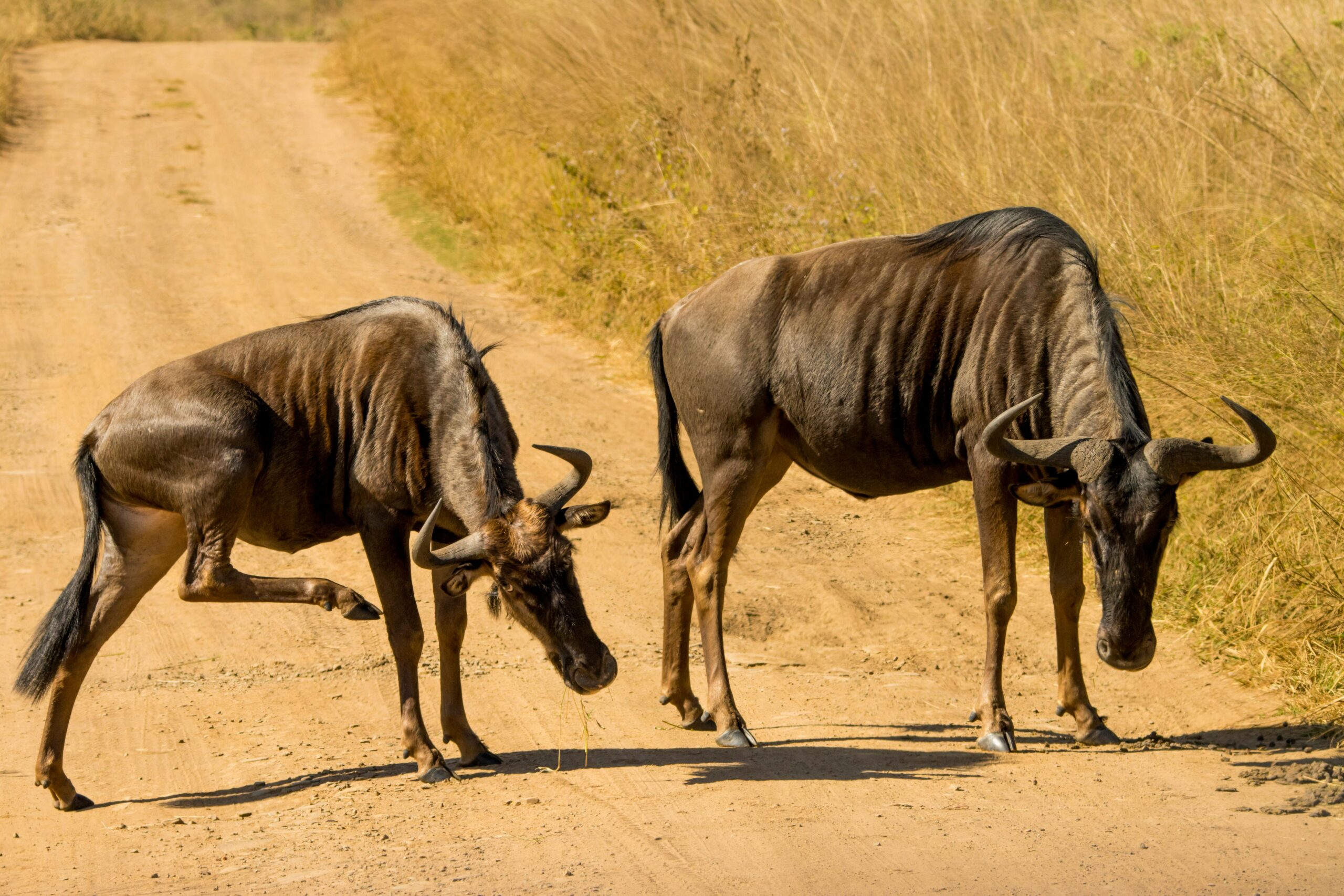
Wildlife corridors are reshaping how we design infrastructure, blending human progress with nature’s needs to create pathways that sustain biodiversity and ecological balance.

🌿 Understanding the Critical Role of Wildlife Corridors in Modern Conservation
As urban expansion continues to fragment natural habitats worldwide, the need for wildlife corridors has never been more urgent. These ecological pathways serve as lifelines for countless species, enabling animals to move safely between isolated habitat patches, access food and water sources, find mates, and adapt to changing environmental conditions. Without these vital connections, populations become isolated, leading to reduced genetic diversity, increased human-wildlife conflicts, and ultimately, species decline.
Wildlife corridors represent a fundamental shift in how we approach land management and infrastructure development. Rather than viewing natural spaces and human development as opposing forces, corridor design recognizes that sustainable progress requires integration. These pathways vary tremendously in size and design—from narrow underpasses beneath highways to expansive landscape-level connections spanning hundreds of miles across multiple ecosystems.
The science supporting wildlife corridors is robust and growing. Research consistently demonstrates that connected landscapes support healthier, more resilient animal populations. Studies tracking species movements through corridor systems reveal impressive success rates, with animals regularly using these pathways to travel between habitat fragments that would otherwise be unreachable.
🦌 The Science Behind Animal Movement Patterns
Understanding how animals navigate their environment is essential for designing effective corridors. Different species have vastly different movement requirements, spatial needs, and behavioral patterns that must inform corridor planning. Large carnivores like wolves and mountain lions require extensive territories and will travel dozens of miles in search of prey and mates. Meanwhile, smaller mammals, amphibians, and reptiles need frequent access to shorter corridors but are equally dependent on connectivity.
Migration patterns provide crucial insights into corridor design. Seasonal movements, whether driven by breeding cycles, food availability, or climate conditions, create predictable pathways that have been used by wildlife for generations. Disrupting these traditional routes can have cascading effects throughout ecosystems, affecting not just the migrating species but also the predators, prey, and plant communities they interact with along the way.
Modern tracking technology has revolutionized our understanding of animal movement. GPS collars, camera traps, and genetic analysis now provide unprecedented detail about how individual animals and entire populations utilize landscapes. This data reveals that animals don’t move randomly across terrain but follow specific routes influenced by topography, vegetation cover, water availability, and the presence or absence of human infrastructure.
Behavioral Adaptations to Fragmented Landscapes
Wildlife demonstrates remarkable adaptability when faced with habitat fragmentation, though not without costs. Some species learn to time their movements to avoid human activity, becoming more nocturnal or adjusting their ranges. Others develop new foraging strategies or modify their social structures. However, these adaptations often come with reduced fitness, increased stress, and higher mortality rates—clear indicators that behavioral flexibility alone cannot substitute for proper corridor infrastructure.
🏗️ Integrating Corridors into Infrastructure Planning
The most successful wildlife corridors emerge from proactive planning rather than reactive restoration. Incorporating ecological connectivity into the earliest stages of infrastructure development produces better outcomes for both wildlife and project budgets. Transportation departments, urban planners, and conservation organizations are increasingly collaborating to identify critical crossing locations before roads are built or expanded.
Highway wildlife crossings represent one of the most visible and successful corridor implementations. These structures range from simple culverts and underpasses to elaborate overpasses complete with vegetation and soil layers that blend seamlessly with surrounding habitat. The Banff Wildlife Crossings in Canada stand as a pioneering example, with over 40 crossing structures that have facilitated more than 200,000 wildlife crossings while dramatically reducing vehicle collisions.
Urban areas present unique corridor challenges and opportunities. Green belts, riparian zones along rivers and streams, utility corridors, and even linear parks can function as wildlife pathways through developed landscapes. Cities like Singapore and Melbourne have pioneered urban corridor networks that maintain biodiversity while providing recreational benefits for human residents.
Design Principles for Effective Corridors
Successful corridor design follows several key principles. Width matters tremendously—wider corridors support more species and provide better habitat quality. Location is equally critical, as corridors must connect high-quality habitat patches and align with natural movement patterns. Vegetation structure within corridors should mirror surrounding habitats, providing appropriate cover and food resources.
Minimizing human disturbance within corridors enhances their effectiveness. This means limiting recreational access in some areas, managing domestic animal presence, and reducing noise and light pollution. Strategic fencing can guide animals toward safe crossings while keeping them away from dangerous areas.
🌍 Global Success Stories and Regional Innovations
The Yellowstone to Yukon Conservation Initiative represents corridor thinking at a continental scale. This ambitious effort aims to maintain and restore wildlife connectivity across nearly 2,000 miles of mountain ecosystems spanning from Wyoming to Canada’s Yukon Territory. The initiative has documented successful movements of grizzly bears, wolves, and wolverines across this vast landscape, demonstrating that large-scale connectivity is achievable.
In Europe, the European Green Belt transforms the former Iron Curtain into the world’s longest habitat corridor. This 7,700-mile network protects rare species and ecosystems while serving as a living monument to peace and international cooperation. The project proves that political boundaries need not be ecological barriers.
Kenya’s wildlife corridors protect critical migration routes for elephants, wildebeest, and other species moving between protected areas. Community-based conservation models ensure that local people benefit from corridor preservation through tourism revenue, compensation programs, and sustainable development initiatives. These approaches recognize that corridor success depends on human support and participation.
Innovative Technology Supporting Corridor Development
Emerging technologies are accelerating corridor planning and monitoring. Landscape connectivity modeling software analyzes terrain, land use, and species requirements to identify optimal corridor locations. Artificial intelligence processes camera trap images, automatically identifying species and tracking population trends. Drone surveys map vegetation and detect barriers that might impede animal movement.
Genetic analysis reveals whether corridors actually facilitate gene flow between populations—the ultimate measure of connectivity success. By comparing genetic diversity in connected versus isolated populations, scientists can quantify corridor effectiveness and adjust management strategies accordingly.
🚧 Overcoming Barriers and Addressing Challenges
Despite proven benefits, wildlife corridors face significant implementation challenges. Land acquisition costs can be prohibitive, especially in areas with high real estate values. Private property rights complicate corridor establishment when pathways must cross multiple ownerships. Political will fluctuates with changing administrations and competing budget priorities.
Agricultural interests sometimes conflict with corridor goals, particularly when corridors might facilitate predator movements or crop damage by herbivores. Addressing these concerns requires creative solutions like wildlife-friendly fencing, compensation programs for livestock losses, and strategic placement of corridors through less productive lands.
Climate change adds complexity to corridor planning. As temperature and precipitation patterns shift, species ranges move, potentially rendering today’s corridors less relevant tomorrow. Forward-thinking corridor design considers climate projections and creates networks flexible enough to serve changing wildlife needs.
Building Public Support and Stakeholder Engagement
Successful corridor implementation requires broad public support. Education campaigns highlighting corridor benefits—including reduced vehicle collisions, enhanced biodiversity, and recreational opportunities—build community buy-in. Engaging diverse stakeholders from the planning stage forward ensures that multiple perspectives inform decision-making and potential conflicts are addressed early.
Economic arguments strengthen the case for corridors. Wildlife tourism generates substantial revenue in many regions, supporting local economies and jobs. Reducing wildlife-vehicle collisions saves lives and money—crashes involving large animals cost billions annually in the United States alone. Ecosystem services provided by connected landscapes, including water filtration, flood control, and carbon sequestration, deliver measurable economic value.
🔬 Measuring Success: Monitoring and Adaptive Management
Establishing wildlife corridors represents just the beginning. Ongoing monitoring ensures corridors function as intended and reveals necessary adjustments. Camera traps positioned at strategic locations document which species use corridors and how frequently. Track surveys, scat analysis, and acoustic monitoring provide additional data on corridor utilization.
Population-level metrics indicate whether corridors achieve conservation goals. Are populations in connected habitats more stable than isolated ones? Is genetic diversity maintained or increasing? Are species recolonizing areas they previously disappeared from? These questions require long-term data collection and analysis, but the answers determine whether investments in corridors generate intended benefits.
Adaptive management allows corridor design and management to evolve based on monitoring results. If certain species avoid a corridor, modifications to vegetation, structure, or surrounding land uses might improve effectiveness. If unexpected species use corridors heavily, management can shift to better accommodate them. This flexible approach recognizes that ecological understanding develops over time and management must respond accordingly.
🌱 Policy Frameworks Supporting Corridor Development
Strong policy foundations enable systematic corridor implementation. Several jurisdictions have enacted legislation specifically addressing wildlife connectivity. California’s wildlife corridor legislation requires transportation projects to incorporate crossing structures in key locations. Montana’s wildlife crossing advisory council brings together agencies and stakeholders to prioritize crossing projects statewide.
International agreements increasingly recognize connectivity’s importance. The Convention on Migratory Species promotes transboundary conservation of migratory animals and their habitats. Regional agreements address specific flyways, marine corridors, and terrestrial migration routes requiring multinational cooperation.
Funding mechanisms determine what projects advance from planning to implementation. Dedicated transportation funding for wildlife crossings, conservation easement programs, mitigation banking, and public-private partnerships all contribute to corridor development. Innovative financing approaches like payment for ecosystem services create revenue streams supporting corridor maintenance and monitoring.
🦋 Beyond Mammals: Corridors for All Species
While large charismatic mammals often drive corridor advocacy, effective networks must serve biodiversity broadly. Amphibians require corridors connecting breeding ponds with upland habitats, often needing specialized tunnel systems beneath roads. Pollinators benefit from flower-rich corridors linking habitat patches, supporting both wild populations and agricultural pollination services.
Aquatic connectivity deserves equal attention. Fish passages around dams, culvert replacements restoring stream continuity, and riparian corridor protection enable aquatic species movements. These investments support commercial and recreational fisheries while maintaining ecosystem function in river networks.
Birds present unique corridor considerations given their mobility. While many species can fly across fragmented landscapes, they still depend on stopover habitats during migration—essentially corridor stepping stones providing rest and refueling opportunities. Protecting these sites is critical for migratory bird conservation.
🌟 Envisioning a Connected Future
The growing global recognition of wildlife corridors’ importance signals a fundamental shift in conservation thinking. Rather than focusing solely on protected area establishment, modern conservation emphasizes connectivity—recognizing that isolated reserves cannot sustain biodiversity long-term. This holistic landscape approach better reflects ecological reality and offers greater hope for coexistence between human development and thriving wildlife populations.
Emerging initiatives point toward an increasingly connected future. The Half-Earth Project advocates protecting half of Earth’s surface to safeguard biodiversity, with connectivity serving as a cornerstone strategy. The 30×30 initiative, endorsed by numerous nations, aims to conserve 30% of lands and waters by 2030, explicitly emphasizing quality and connectivity alongside quantity.
Technological advances will continue improving corridor planning and management. Better modeling tools, more sophisticated monitoring technologies, and enhanced data sharing platforms will allow more strategic, efficient corridor networks. Machine learning may soon predict optimal corridor locations with unprecedented accuracy, while real-time tracking helps manage corridors dynamically in response to wildlife movements.
Individual Actions Supporting Corridor Conservation
Everyone can contribute to corridor conservation. Supporting organizations working on connectivity projects amplifies impact. Advocating for wildlife-friendly infrastructure in your community influences local decision-making. If you own land in key locations, conservation easements or wildlife-friendly management practices can make your property part of a larger corridor network.
Driving carefully in areas known for wildlife crossings saves animal lives and reduces accidents. Keeping pets supervised prevents them from disturbing corridor wildlife. Planting native species in your yard creates stepping-stone habitat for smaller species moving through urban and suburban landscapes.

🌏 Building Resilient Landscapes for Generations Ahead
Wildlife corridors represent more than conservation infrastructure—they embody a vision of sustainability where human progress and ecological health advance together. As climate change, habitat loss, and human population growth intensify pressures on wildlife, corridors provide critical resilience. They allow species to shift ranges, access diverse resources, and maintain the genetic diversity necessary for adaptation.
The economic, social, and ecological benefits of connected landscapes extend far beyond wildlife. These networks support ecosystem services upon which human communities depend, create opportunities for nature-based recreation and tourism, and maintain natural heritage for future generations. Investment in corridors is investment in livable, sustainable landscapes.
Successfully implementing comprehensive corridor networks requires sustained commitment across decades. It demands cooperation among governments, private landowners, conservation organizations, indigenous communities, and businesses. It requires adequate funding, strong policies, sound science, and public support. Most fundamentally, it requires recognizing that our fate is intertwined with the wild species sharing our planet.
The path forward is clear. By prioritizing wildlife corridors in infrastructure planning, supporting corridor conservation initiatives, and adopting connectivity as a core conservation principle, we can create landscapes where both people and wildlife thrive. These wild paths threading through our modern world offer hope that sustainable coexistence isn’t just possible—it’s achievable when we commit to making it reality.